Software architecture

Software architecture is the high-level shape, or blueprint, of a software system. Architectural decisions, existing circumstances, or context constraints lead to a set of decisions that define how the parts, or components, fit together, how they communicate, how data is used and flows, and how the system evolves, changes, and stays reliable over time.
Architecture, most often viewed via architecture diagrams, gives us the big picture so we can make smart choices about design, testing, performance, security, and where the risks sit. You don’t need to know every detail to benefit from understanding architecture. Even reading and understanding a simple view of the main components, their responsibilities, and the data flows can help you ask better questions, spot gaps earlier, and plan testing that aligns with how the system actually works.

23rd December 2025
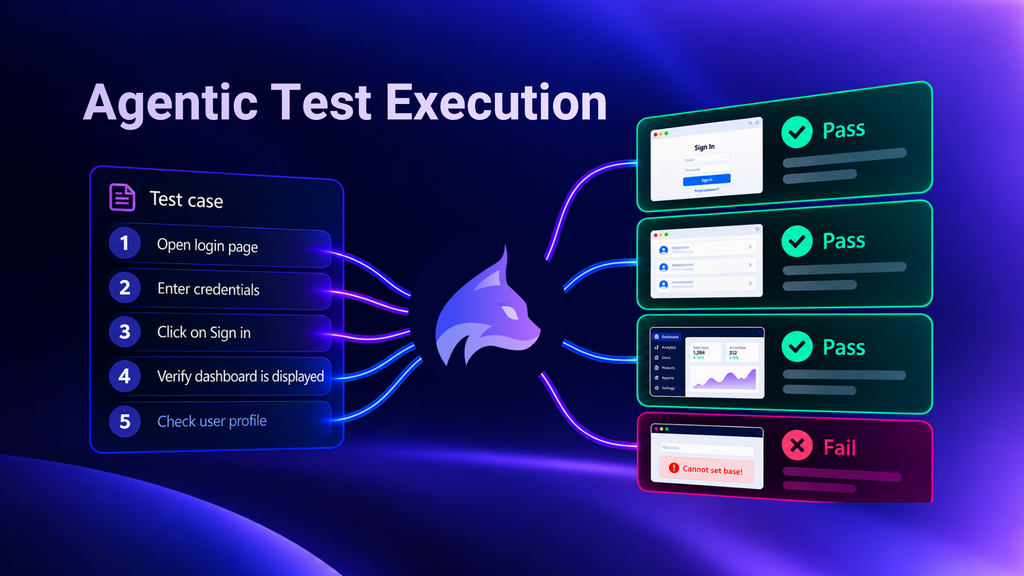
Lynqa executes your existing tests as written, no scripts or rewrites. Review step-by-step evidence. Start free.
Explore MoT

Tue, 19 Jan 2027
Test Forward is one afternoon at Station F with the QA and engineering people closing that gap in their own teams.
Boost your career in software testing with the MoT Software Testing Essentials Certificate. Learn essential skills, from basic testing techniques to advanced risk analysis, crafted by industry experts.

Debrief the week in Quality via a community radio show hosted by Simon Tomes and members of the community
