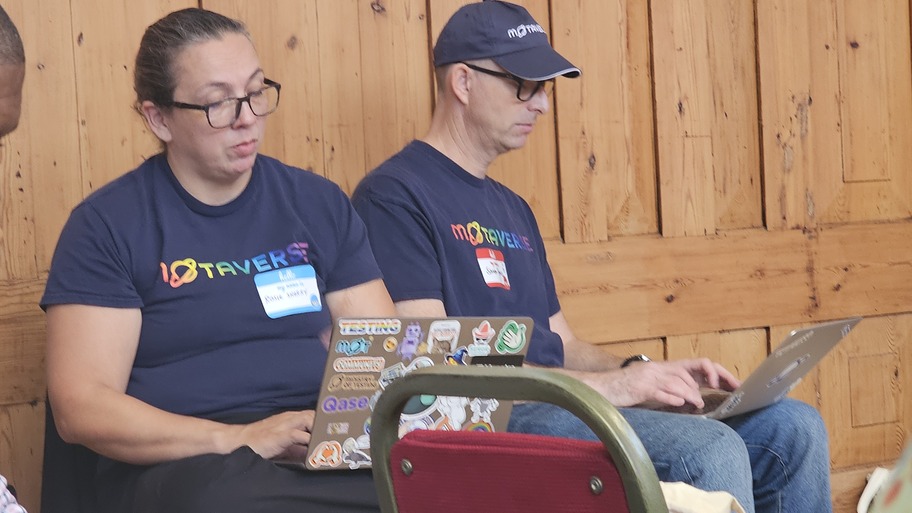


Rosie and Simon are at hard at work during Leading with Quality!What are they working on? Maybe some MoTacon surprises? Who knows...
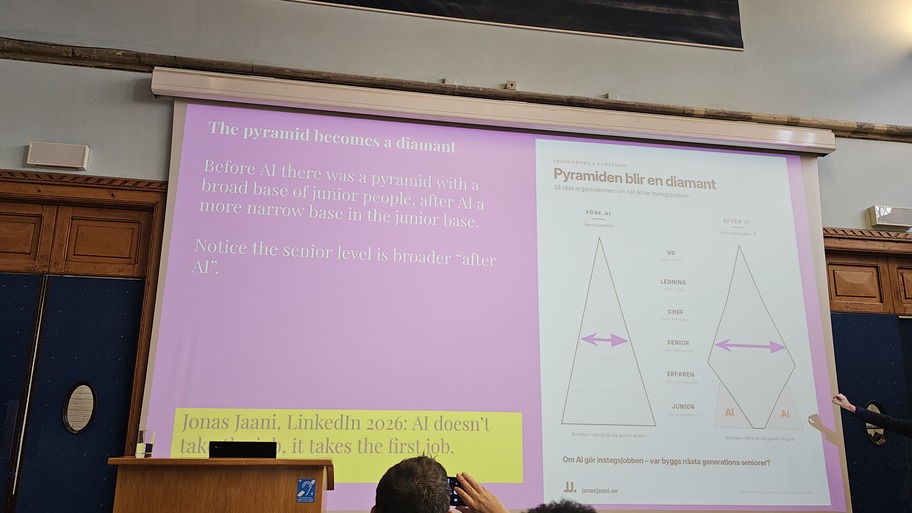

Jesper's session at Leading with Quality 2026 showed all the directions you can go in in your career as a quality professional. There are so many aspects I've never thought about. The mos...
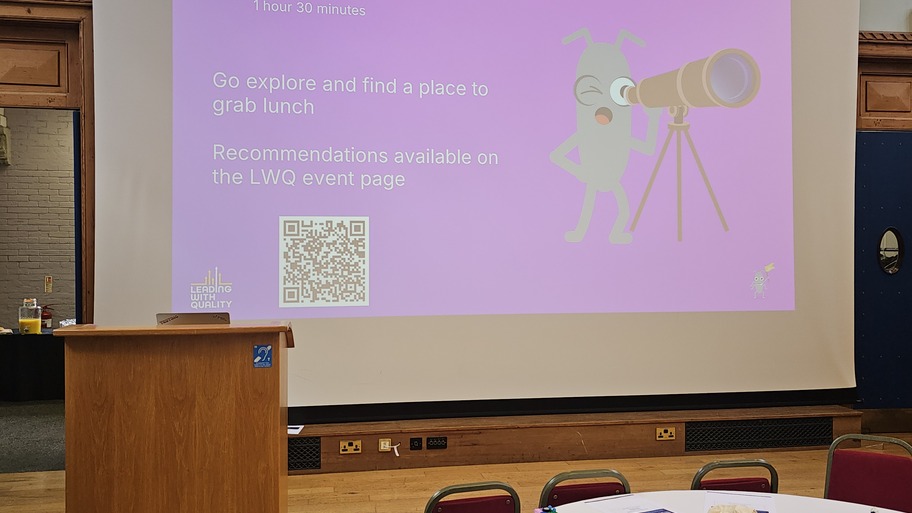



Nadja, Heleen, Gary and I are bughunting during the lunch break of Leading with Quality 2026 😅🫣
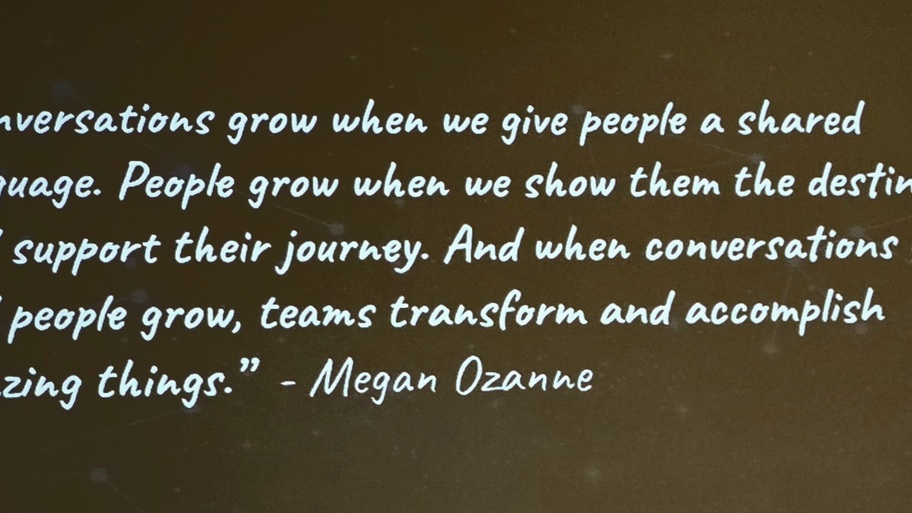

"Let's mature this conversation" was an amazing session. The 'people-systems-process' framework is amazing for maturity conversations.The sentences that stayed with me the most are "shift blame to ...
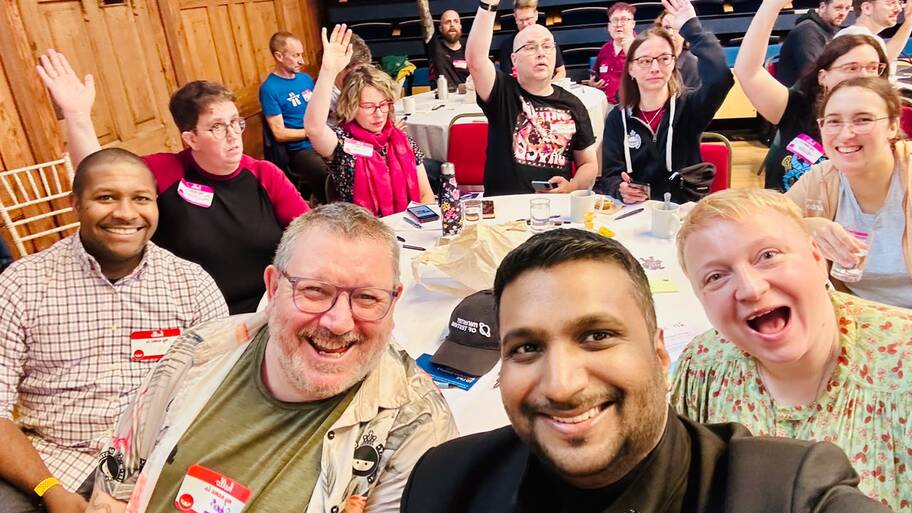




Leading with Quality with some of the most passionate folks in the industry.
#MoTaCon Begins! Session: Let's Mature This Conversation by Meagan Ozzane
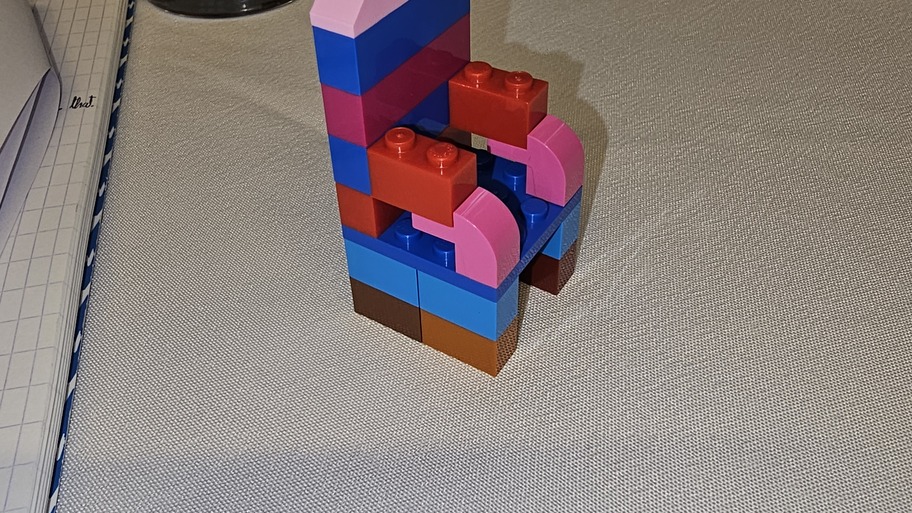
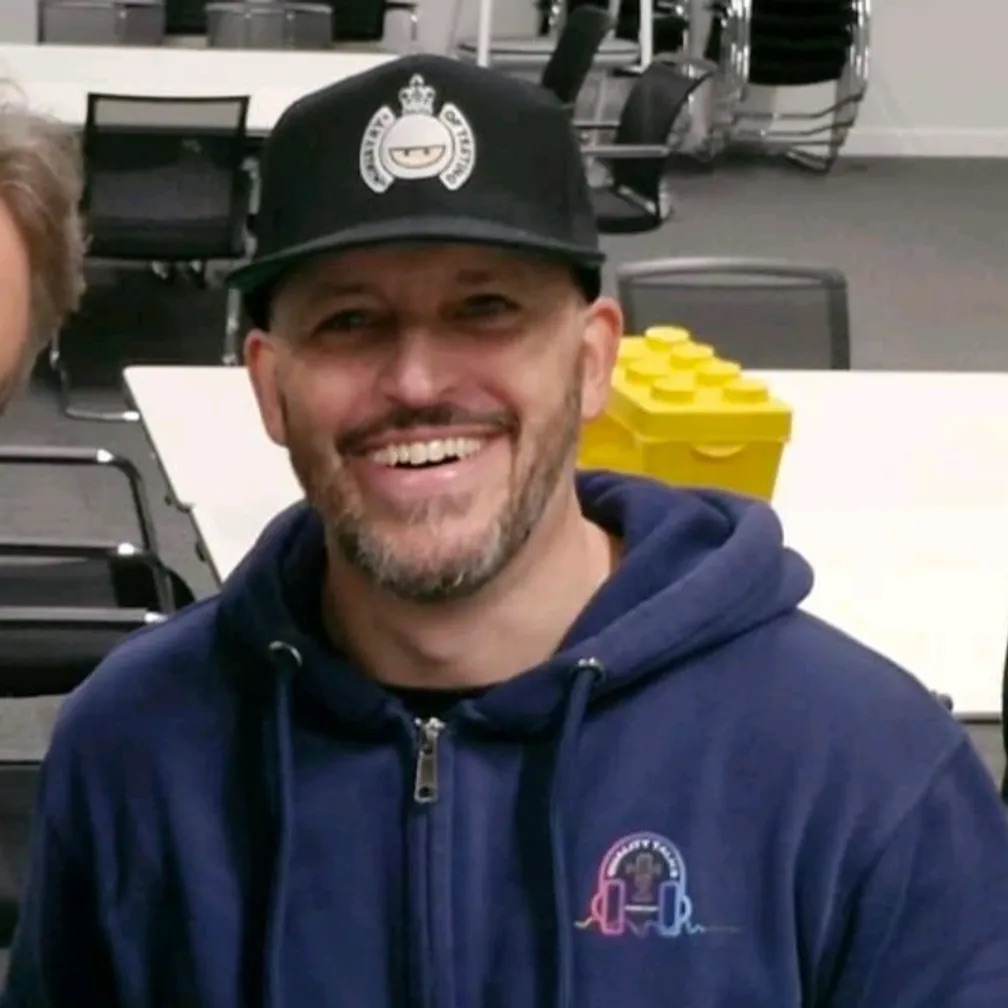
Just finished Stu Day's session about using storytelling to have conversations about quality.It was not just enlightening, but also very fun!In the picture you can see my Lego representation ...

Our reflections are on the way to Brighton, and we're coming along with them!
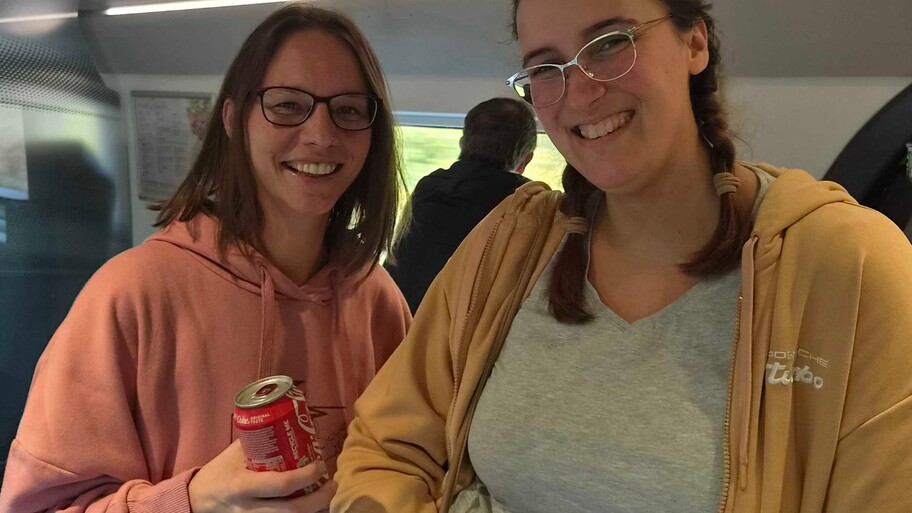
After hearing the announcement on the train where the train manager introduced himself and his colleagues, Nadja just had to introduce herself en find it who is who.The next time they came around t...
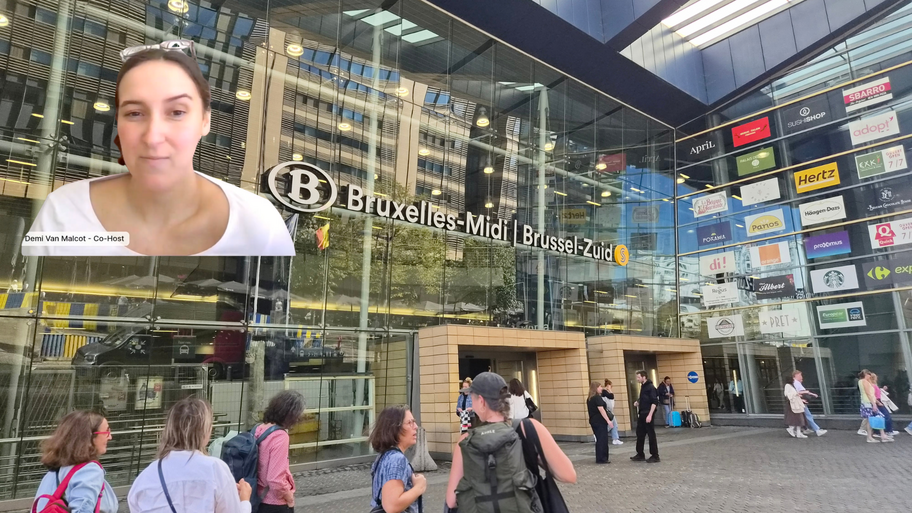
My answer to Nadja's 'Where's Demi?' Game. Top left.
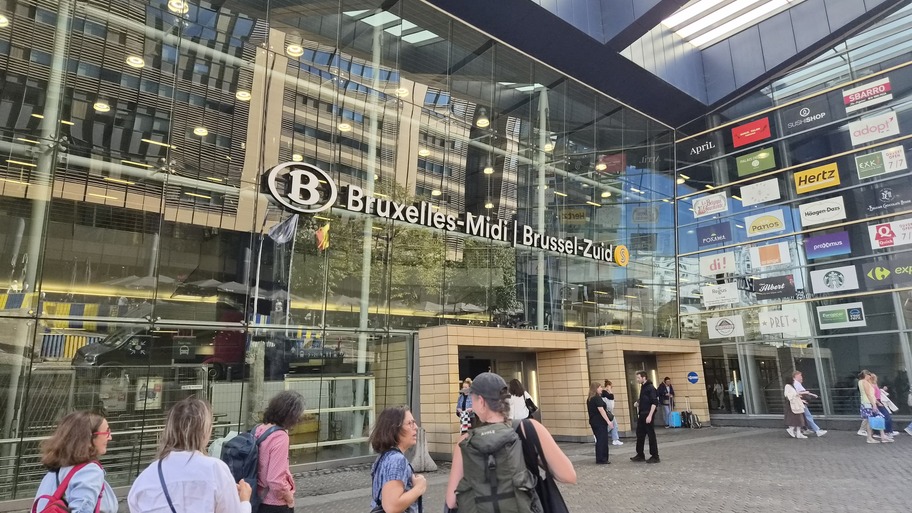
Can you find her? Travelling with a MoTabuddy is the best!


A warm pre-MoTaCon episode full of conference anticipation, community stories, practical advice for first-time attendees, and excitement around stars, selfies, Moments, meetups, and merch.

A lively return episode catching up on MoTaCon preparations, community updates, AI overwhelm, demo-day disasters, knowledge sharing, and why human connection remains central to quality work.
With servers in >250 cities around the world, check your site for localization problems, broken GDPR banners, etc.
Take this 7-question assessment to see where your QA team stands and get a plan for what to automate next.
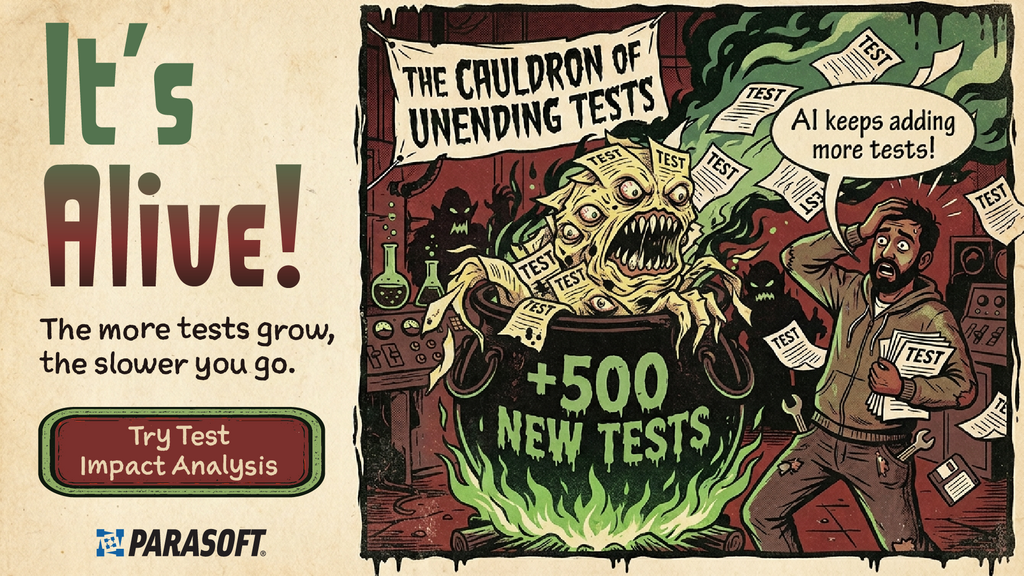
Run only tests impacted by code changes. Get feedback faster.
Centralized execution, reporting and insights in one place.
