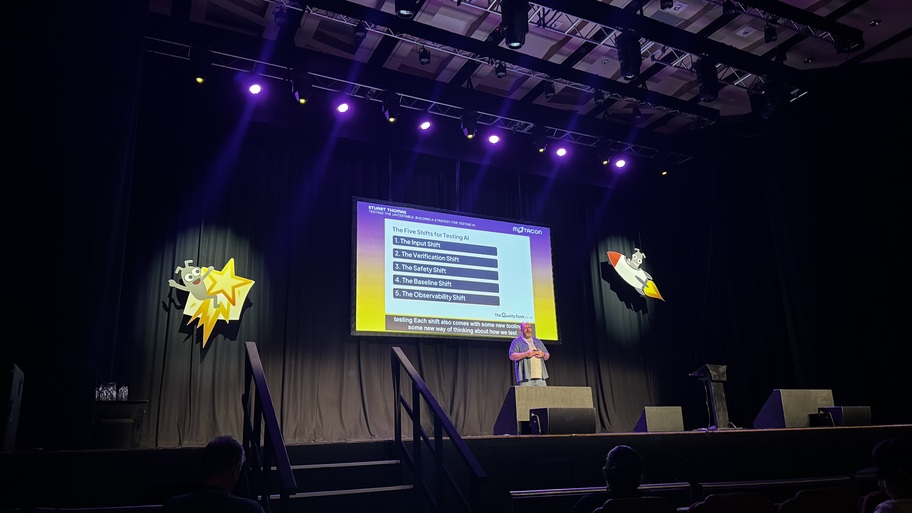
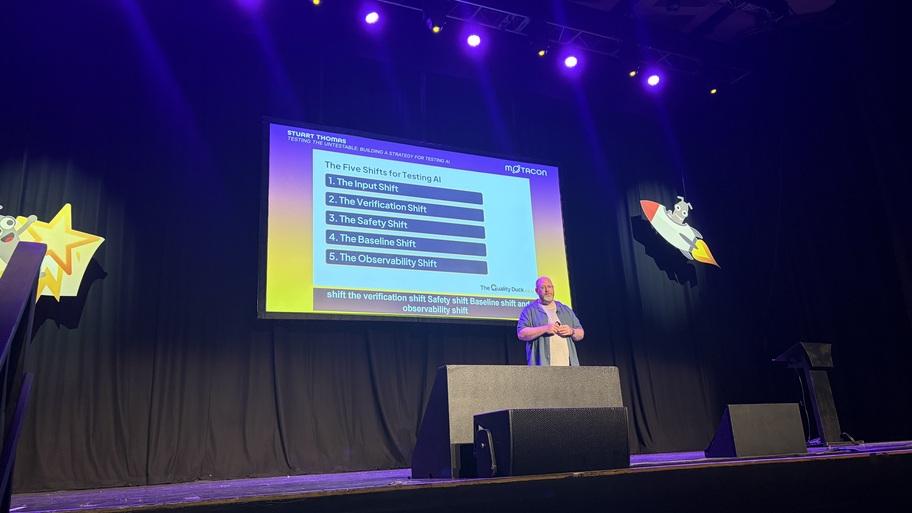
By Stuart Thomas1. The input shift2. The verification shift3. The safety shift4. The baseline shift5. The observability shift
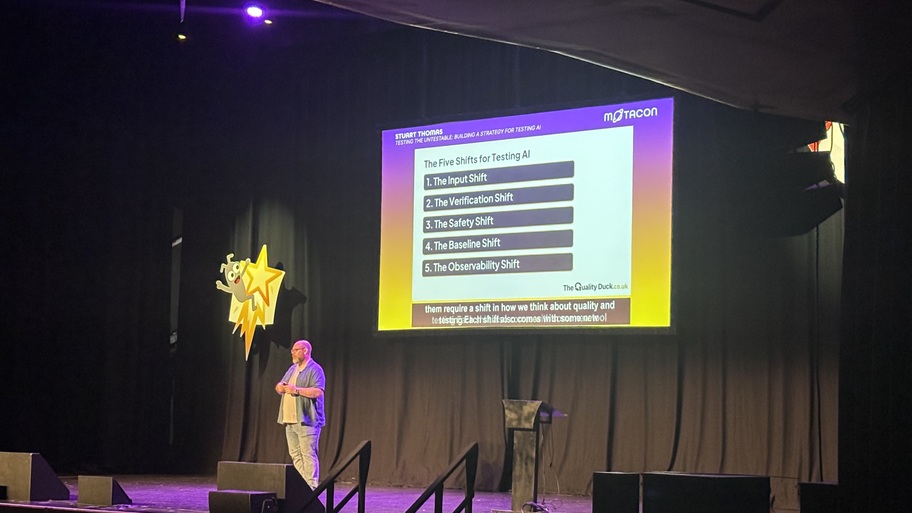
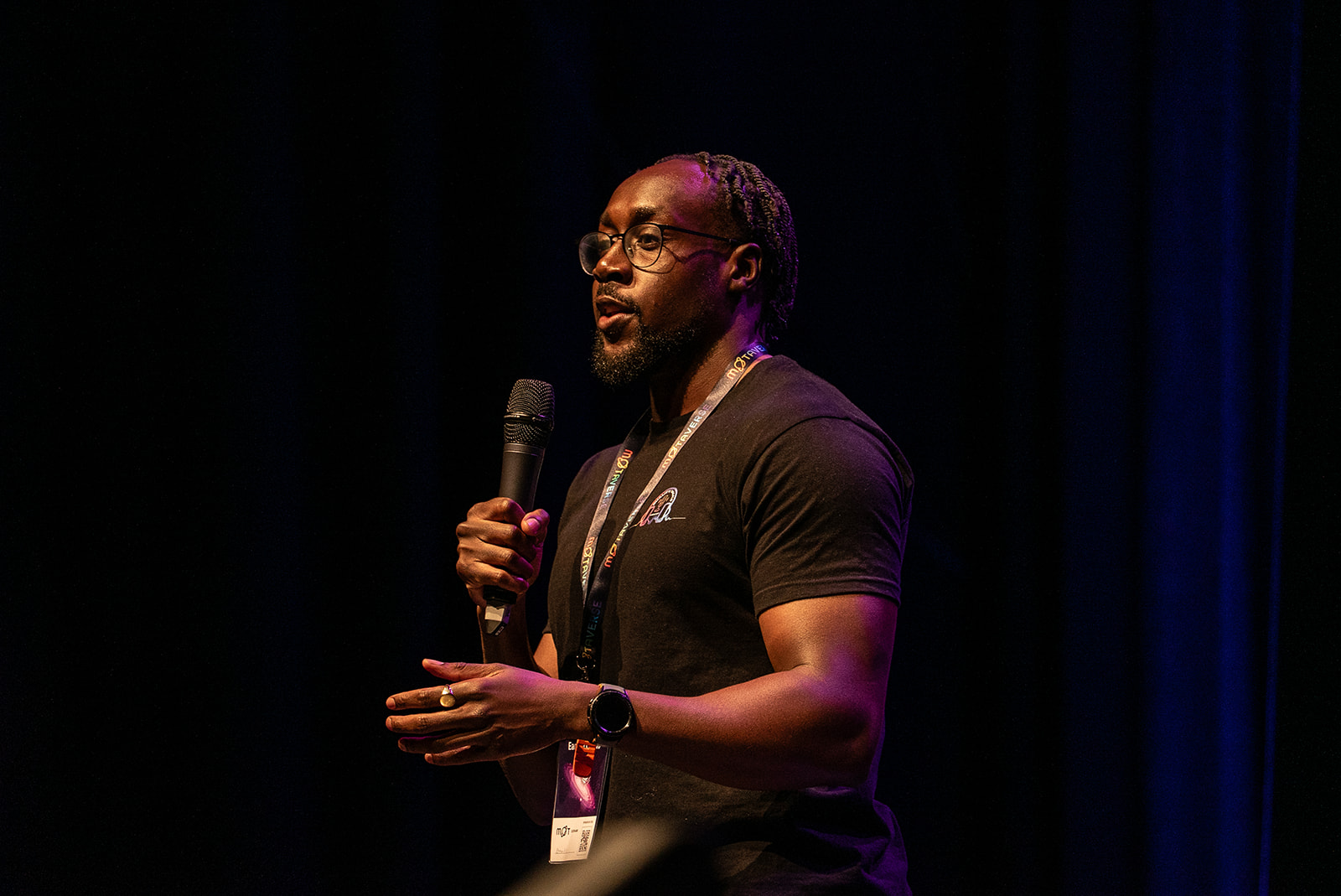
Stuart giving his talk explaining the need for 5 shifts needed for AI testing.
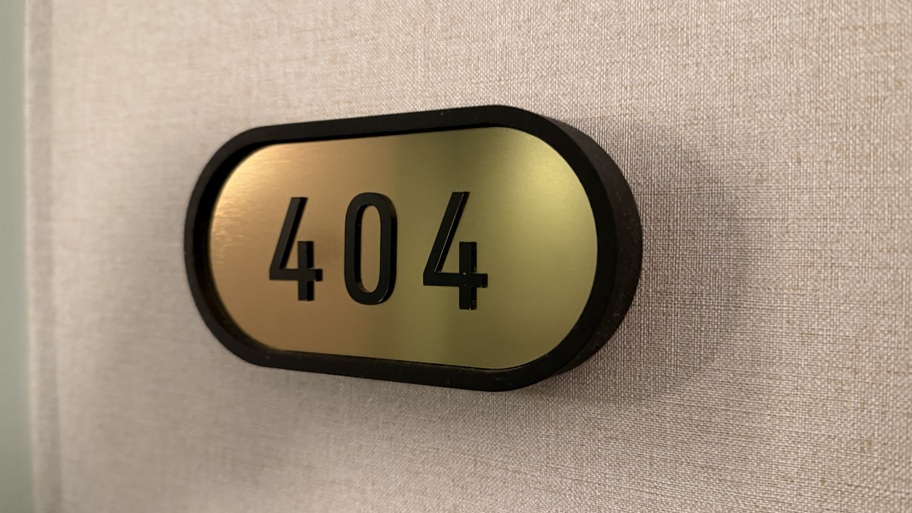
404 room challenge

On our way to MoTacon! Not sure Ellis is as excited as I am…






This past couple of weeks I have been thinking a lot about how I show up for the MoT EM Chapter community. I love asking questions and I love books, so I decided to ask a question about books to se...





















The lineup is out and oh my... how exciting is it?These are the contributors we've announced publicly... but let me tell you something. Every single person walking through the Brighton Dome doors b...
The policies, processes, and guardrails put in place to ensure that code, experiments, and tools produced across a team meet standards of safety, consistency, and reliability, especially as AI lowers the barrier to building.
The question is no longer about engineering capacity, but Governance. The teams that win will be those that create the safest “Playgrounds”. The teams that win won’t write the most code — they’ll create the safest environments for everyone to build in.

Short-lived, AI-generated code designed to be deleted after use, typically for running experiments such as A/B tests on a component or call-to-action, with Engineering providing guardrails through a component library and code review.

AI-generated code used for internal validation and testing core logic during the "can we even do this?" phase. It lives in a sandbox and never reaches production; if it works, the learnings are handed to Engineering to be rebuilt properly.
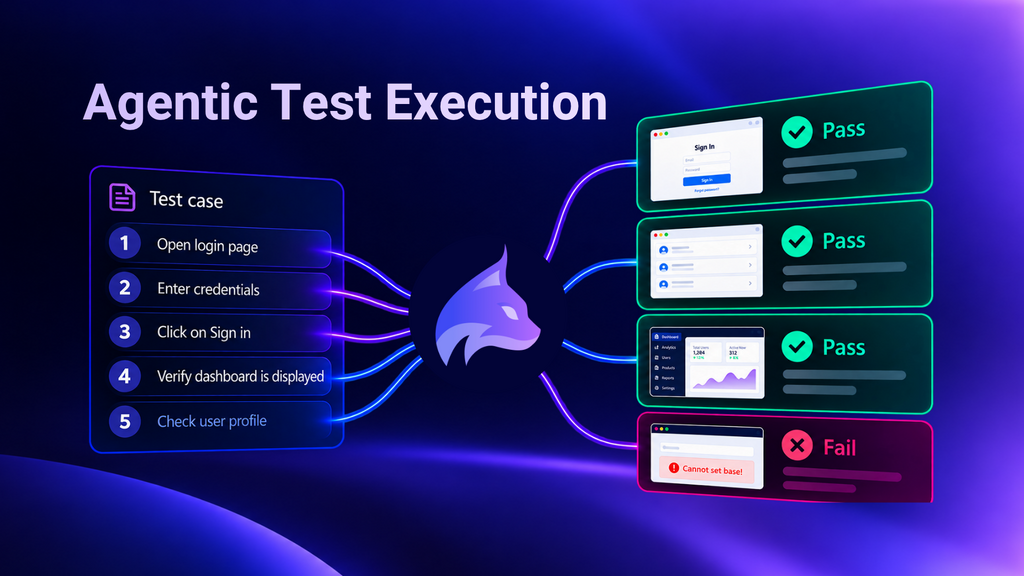
See how Lynqa runs your existing tests as written, captures step-by-step evidence, without code or no-code.

Manage your entire QA lifecycle in one place. Sync Jira, automate scripts, and use AI to accelerate your testing.
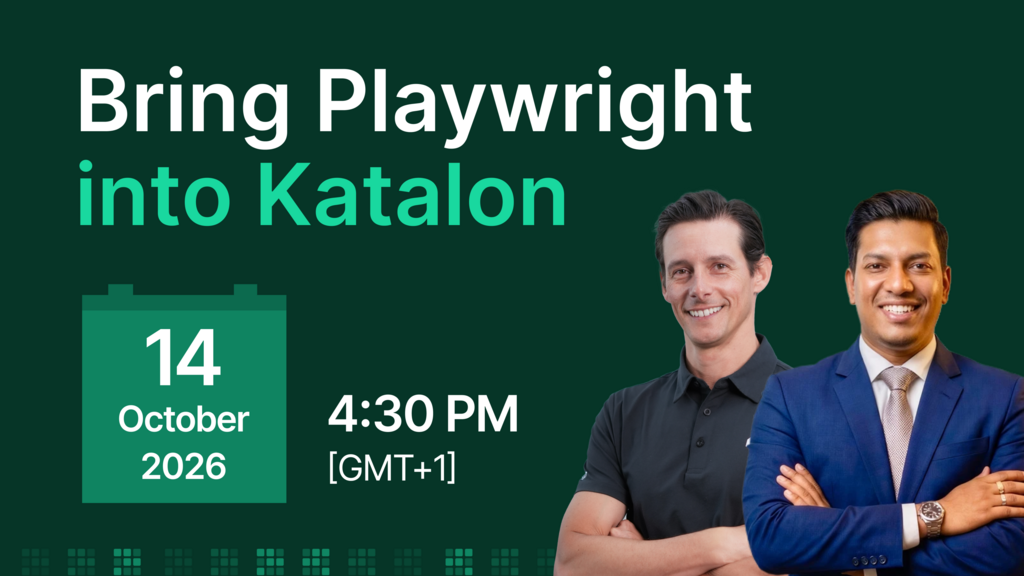
Centralized execution, reporting and insights in one place.
There are countless ways to show up and contribute. Which one will you try today?
