


The test surface in feature testing represents the total, combined area of all public methods, parameters, and application programming interfaces (APIs) of a component that must be validated to ensure it works correctly. It defines the scope of testing required, where a larger, more complex surface area necessitates more in-depth testing. It includes all possible variations introduced by factors such as feature flags, environment differences (e.g. dev, staging, production), user segments, and rollout strategies.Understanding and managing the test surface is important for effective test planning, as it helps teams identify what needs to be tested, avoid gaps in coverage, and reduce the risk of issues caused by untested combinations of conditions
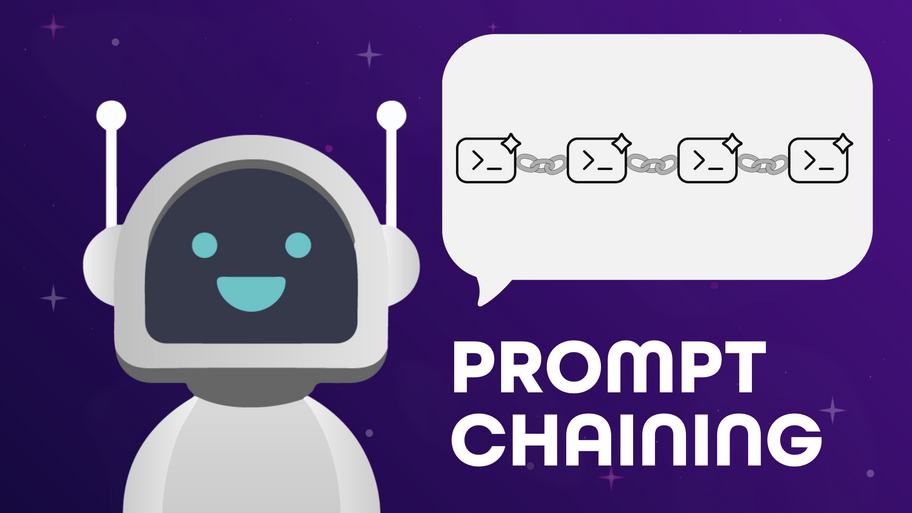
Prompt chaining is a technique where the output of one prompt is used as the input for the next prompt in a sequence. This allows complex tasks to be broken into smaller, more manageable steps, enabling deeper analysis, comparison, and refinement across large or complex problem spaces.
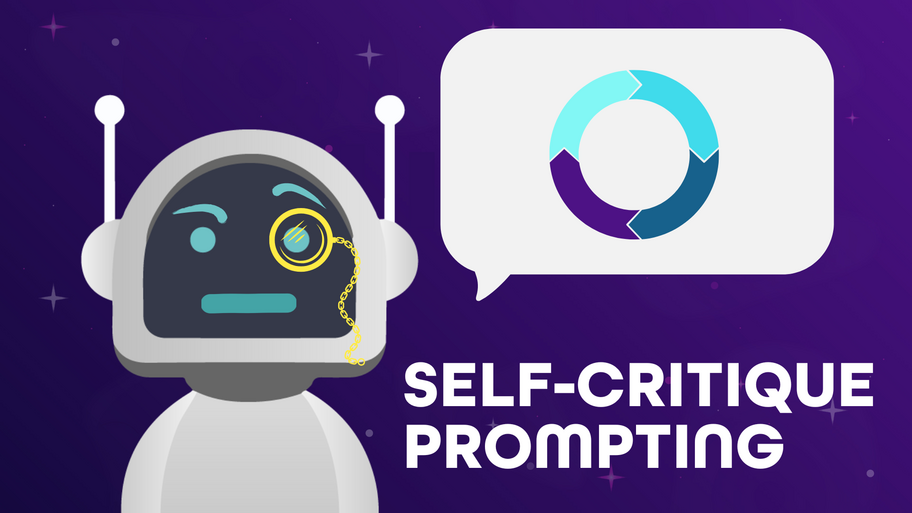
Self-critique prompting describes the practice of asking AI to review its own output against specific criteria, such as readability, coverage, or standards, and then improve the result based on those findings. This mirrors human review processes and helps identify gaps, inconsistencies, or improvement opportunities before the output is used in production.
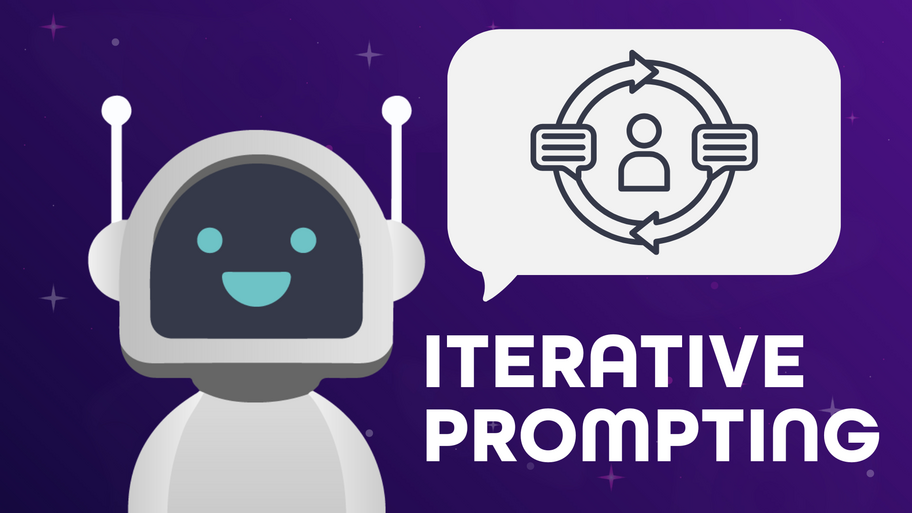
Iterative prompting is an approach where prompts are refined over multiple steps based on previous outputs. Instead of expecting a perfect result from a single prompt, the user reviews, adjusts constraints, and asks follow-up questions to gradually improve accuracy, quality, and relevance.
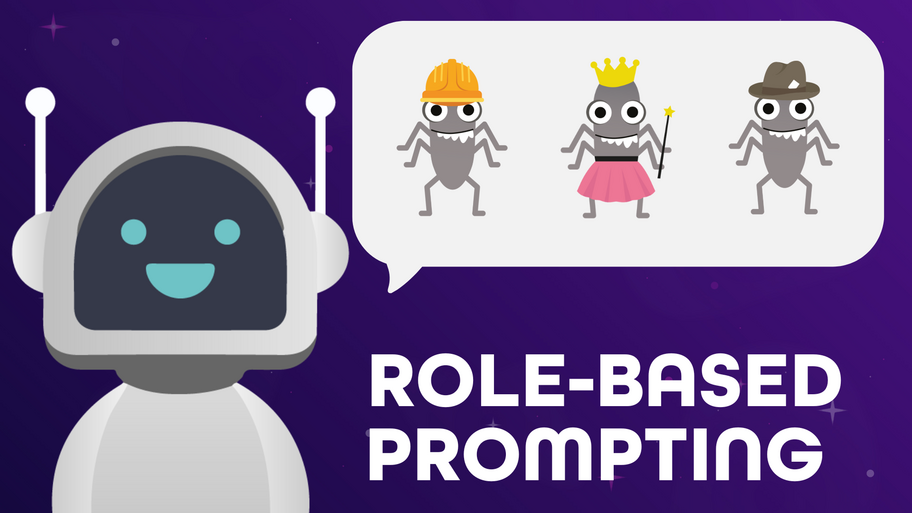
Role-based prompting is a prompting technique where the user explicitly defines the role or perspective the AI should take before generating a response. By assigning a role such as a tester, automation engineer, or reviewer, the AI output becomes more focused, context-aware, and aligned with real-world responsibilities and expectations.


At a basic level, a feature flag acts as a conditional switch. The code for a feature can be deployed to production or any other environment, but its visibility or behaviour is controlled by configuration in a specific system. By changing the flag’s state, teams can turn the feature on or off instantly, often for specific users, environments, or percentage-based rollouts. This can make the testing process much clearer and easier.

Test Log is a record of information generated during test execution. It typically includes details such as test steps, timestamps, system responses, errors, and execution status, and is used to support debugging, failure analysis, and understanding test behaviour.

Cases, runs, evidence, requirements, and releases in one AI-powered platform for authoring, execution, and automation.

Getting tests that catch real failures is the hard part. Join us on Oct 8 and see how it's done.

Better than a generic video, see YOUR test, live, ready to show you what matters most: quality at scale.

Manage your entire QA lifecycle in one place. Sync Jira, automate scripts, and use AI to accelerate your testing.
