
Course (1)
Glossary Term (5)
Insight (5)
Certification (2)
Collection (2)
Session (46)
Moment (72)
Link (15)


What is Testing?
Nice try! I'm not going to define all of testing here, when there are many pages of different topics on the Glossary that cover what is Testing, in so much great detail.If you really must know, and you got this far without knowing, here is a workable definition of Software Testing, from Wikipedia:
Software testing is the act of checking whether software meets its intended objectives and satisfies expectations.Ref: https://en.wikipedia.org/wiki/Software_testing
Also, see: https://www.ministryoftesting.com/software-testing-glossary?button=&q%5Btitle_cont%5D=testing
Who are the Testers?
This could be, someone who is an expert in software quality and testing, with many different possible role titles, many of them don't even have the word Tester in the name.For the most part, the term Tester is usually used for those with dedicated testing and quality roles. However, in many modern software teams, much of the testing is carried out not by dedicated specialists, but Software Development Engineers, Product Managers, Designers and other members of the team alongside their primary roles.These people who take on Testing in addition to their other roles, are no less Testers, and some of them may also have a lot of experience and expertise in Testing, regardless of their current role title.
When is a Tester, not a Tester?
Some time ago, I wrote a blog post about my journey in software testing, feel free to take a look if you're interested:
https://www.dowen.me.uk/posts/when-is-a-tester-not-a-tester/
But, Testers do ALL these other things, don't they?
Yes, many Testers also do many, many things to support their teams and companies, that go way beyond any reasonable definition of Testing. And, many then also go on to carry out other roles in Software Development Teams, including many leadership positions.
Hardware Testing
Yes, Testing and Testers are most definitely not limited to Software! Hardware, and probably other not-software things inbetween, also need testing, by testers.Testing and Testers also exist in many other industries, beyond Technology, shout out to my Snack Testers out there, further detail on such things are mostly out of scope for Ministry of Testing.However it's always interesting to see what we can learn from other industries and outside disciplines.

A way to record, plan and communicate a piece of work. A ticket can also be called an issue, and can be of different types such as Task, Bug, Story and Epic.Many teams also create custom types of tickets that are relevant for their domain or project. For example, when integrating Test Case Management tools into other work planning tools, you might have types such as Test Case, Test Set and Test Execution.Tickets are often linked either with flat or hierarchical relationships. For example many Stories may belong to an Epic, or a Test Case may Test one or more Stories. Some more generic relationships simply use "related", without specifying the type of relationship. Other relationships might indicate project planning, such as Blocks, or Do After.Tickets typically have at least:
A title or summary
Description
Status
There are many other fields a ticket might have, depending on the tool, configuration, domain or project.As a ticket is worked on, it can move though various states, depending on the tools used and their configurations, these state transitions may be gated. For example, you may set it up so tickets in the "To do" status can only transition into "Cancelled" or "In progress". You might also have rules, so certain fields are required to allow a state transition.Some tools allow automations, for example connecting CI systems to ticket management systems, so when a branch is made that refers to the ID of a ticket, the two are linked, so you can see code changes made as part of that ticket. Many other integrations and automations exist.


Vibe coding is where you use an LLM or, like, AI based tool to write the code for you.But rather than writing any code for yourself, you completely give over. And, basically, what you do is you just keep asking more and more times for the LLM. So if it doesn't work the way you want, you don't read the code.You just keep talking about talking back to the LLM.And, you just you just keep, like, if there's an error, you just feed it straight back in. No context, just give it the error.


Human driven testing activities, that are not using or focused on building automated checks. Manual testing may still make use of tools and code, but is driven by a human and not a computer.A potentially broad term, manual testing could be applied to any part of software testing. However there is a good chance, people use the term manual testing to mean, human driven test execution.The term can be controversial, because it is sometimes used to down play the skill needed for testing, outside of the value of automation.It used to be said, that there is no such thing as manual testing, because all testing is manual in the same way that all development is manual. This line of thinking is currently being challenged by the introduction of generative Ai tools that are, with varying degrees of success, attempting to automate development, as well as testing.


In my experience working as a Quality Engineer, it has given me the opportunity to get involved in many of the same quality building activities I did as a Tester, but now people don't look at me weird, like I'm doing something strange and beyond my role.Quality Engineering is technical leadership, and you can break that down fundamentally equal parts challenging, and supporting teams to deliver better products. Sometimes it's as simple as making space, and giving permissions for teams to challenge their existing processes, practices, tools, frameworks and design decisions. Sometimes it is about supporting them to make decisions, explore possible solutions or simply getting stuck in and completing work as part of the team.Hang on, doesn't that sounds an awful lot like the job of an Engineering Manager, CTO, or Head of Engineering? Well, you'd be right, and all of those roles, and more, can support teams on their Quality Engineering journey, you need not always have a named "Quality Engineer". If you are lucky enough to have budget and capacity to bring in an expert in Testing and Quality, a QE can support one or more teams, and work hand-in-hand with other technical leaders.

Manage your entire QA lifecycle in one place. Sync Jira, automate scripts, and use AI to accelerate your testing.
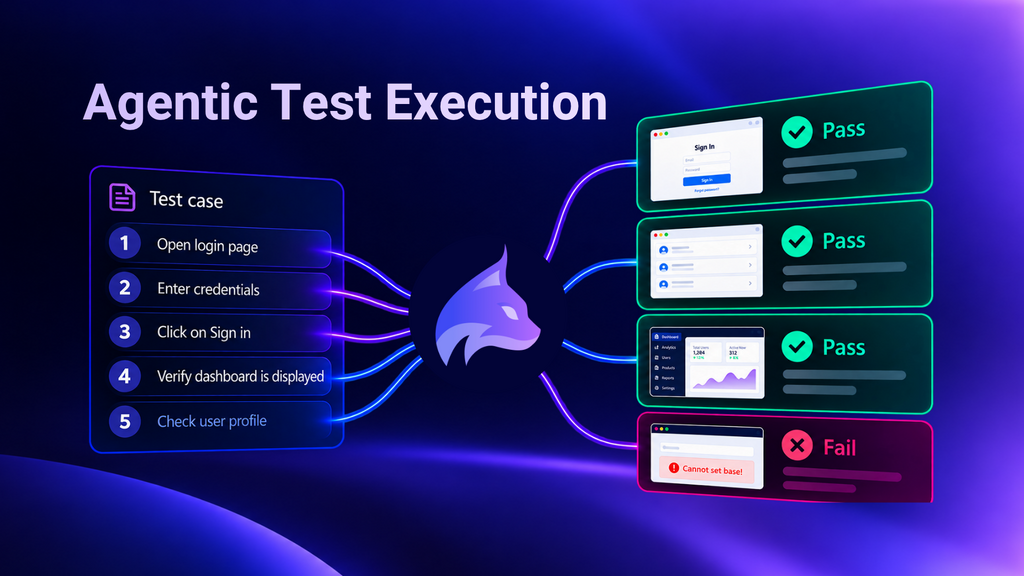
See how Lynqa runs your existing tests as written, captures step-by-step evidence, without code or no-code.

There are countless ways to show up and contribute. Which one will you try today?
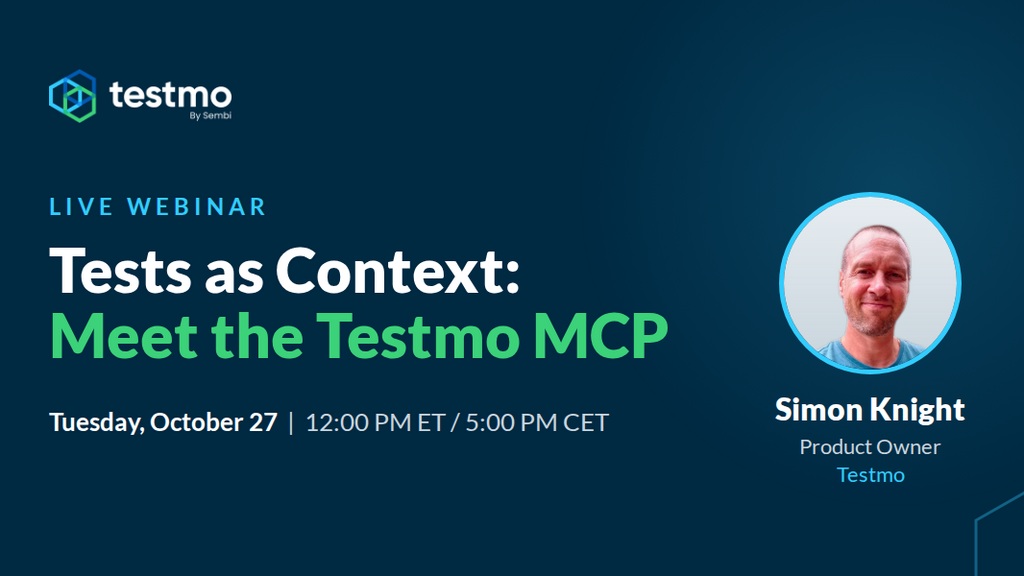
Your test cases are the context AI agents are missing. See how the Testmo MCP connects them in this free webinar.
