


Precision testing means you only identify a problem in exactly what you are looking for and do not mistakenly describe something as a problem when it is not. Recall testing means you identify as many problems as possible and try not to miss any.Precision is increased by increasing test control while reducing test condition complexity and number of oracles used. Doing so will decrease recall, reducing the number of bugs you might find.Recall is increased by reducing test control, increasing the number of oracles, and increasing test condition complexity. Doing so will decrease precision.Test coverage is increased by performing more tests overall. Higher precision reduces coverage during test performance. Higher recall increases coverage during test performance. Increased test coverage increases true positives, false positives, and possibility of false negatives, while decreasing possibility of missed bugs. Higher precision reduces likelihood of false negatives and false positives (the model ignores the damage done by poor test construction toward false negatives - that is a real problem but not addressed here).This model helps describe why relying only on high precision tests (e.g. unit tests) may make it more likely bugs will escape to production. It also demonstrates how high recall testing, while increasing probability of finding bugs, also increases the cost of dealing with false negative and false positive bugs.

Your test cases are the context AI agents are missing. See how the Testmo MCP connects them in this free webinar.

Better than a generic video, see YOUR test, live, ready to show you what matters most: quality at scale.
Take this 7-question assessment to see where your QA team stands and get a plan for what to automate next.
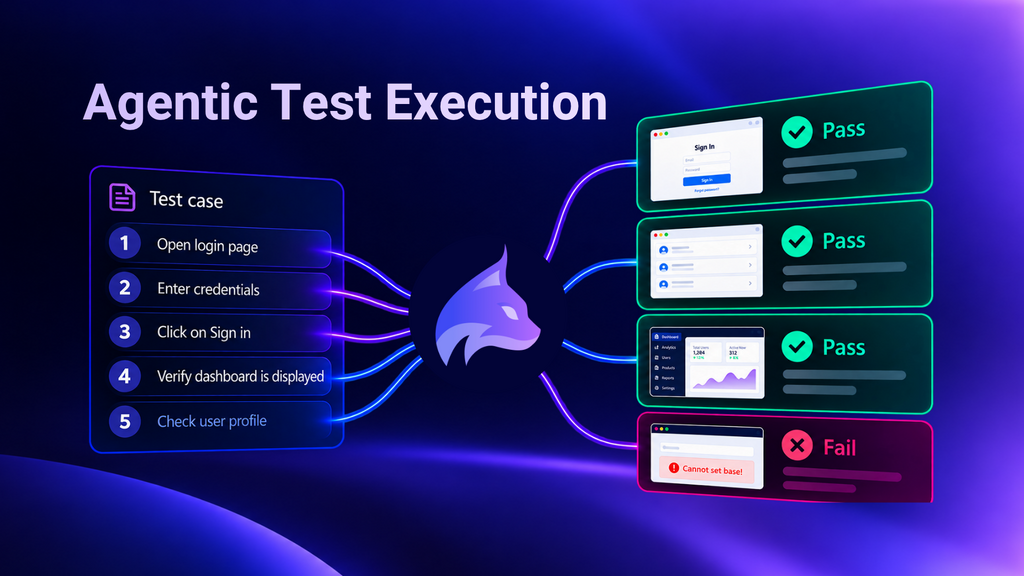
See how Lynqa runs your existing tests as written, captures step-by-step evidence, without code or no-code.
