Most Selenium test frameworks are designed with local execution in mind, with no significant performance hit to making additional wire calls. When executing on a remote server, however, each unnecessary command incurs a latency cost that adds up quickly. Some of the biggest offenders serve no real purpose and can be easily eliminated, while others serve an important function in synchronizing your code with the state of the browser.
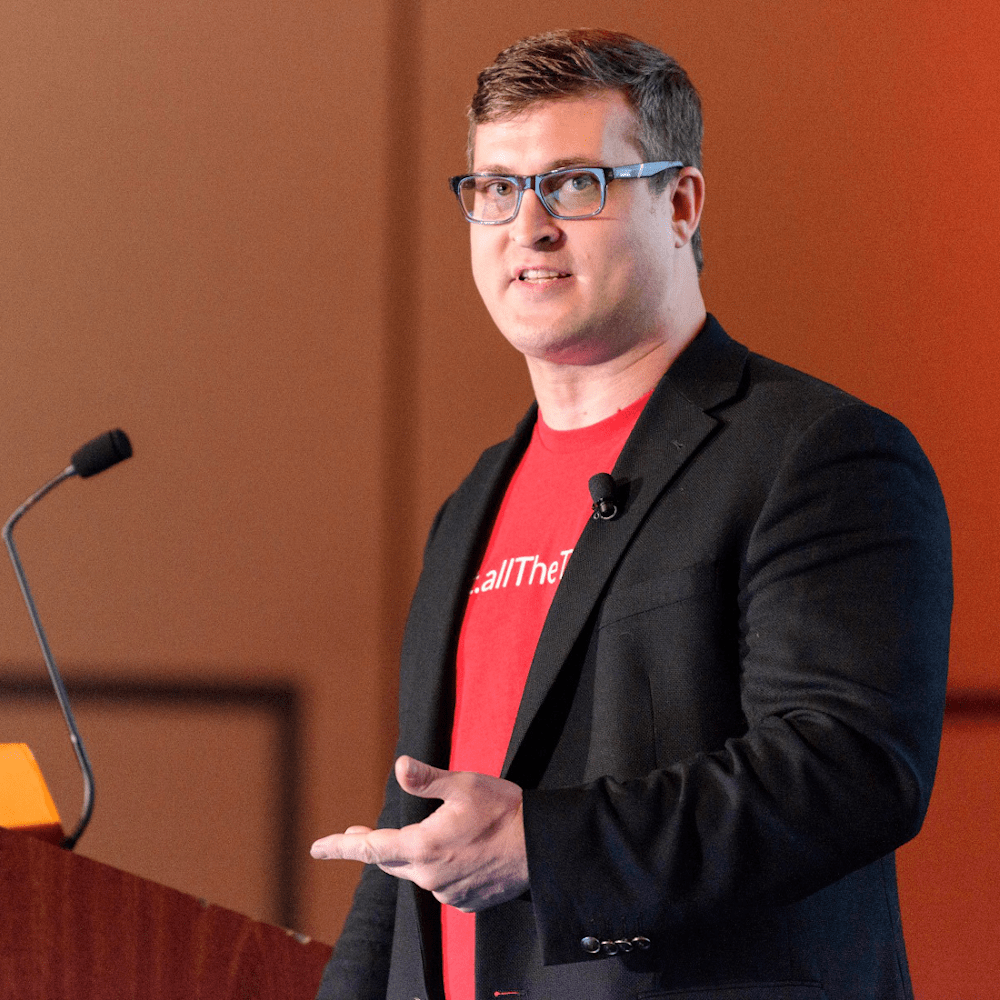
In this Masterclass, Titus Fortner shares examples of the most common extraneous commands. Then he walks you through how to rethink your synchronization strategy to dramatically improve performance while maintaining reliability.
In this Masterclass, Titus Fortner shares examples of the most common extraneous commands. Then he walks you through how to rethink your synchronization strategy to dramatically improve performance while maintaining reliability.
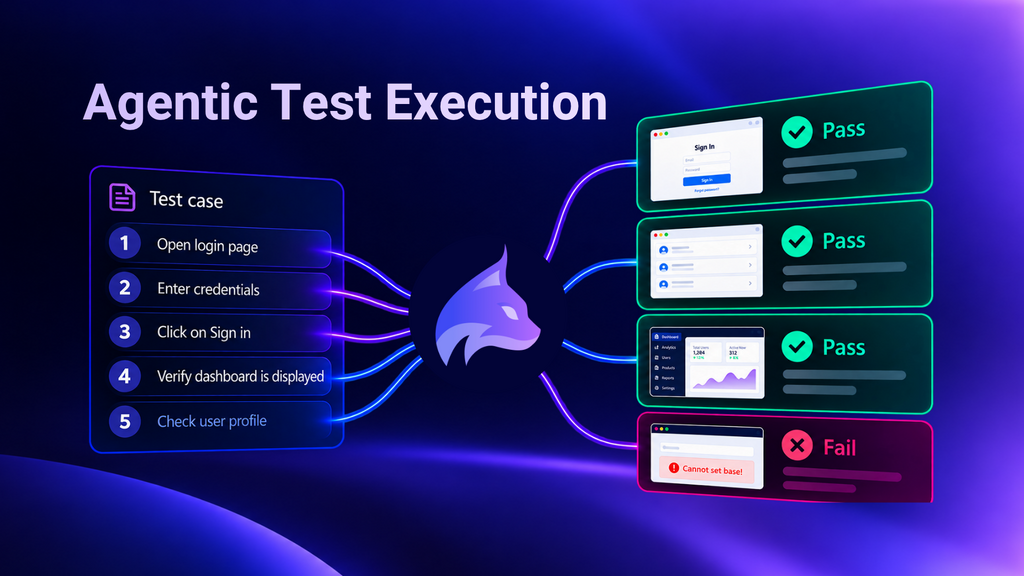
See how Lynqa runs your existing tests as written, captures step-by-step evidence, without code or no-code.
Explore MoT


Ascend to leadership roles by mastering strategic skills in automation strategy creation, planning and execution

Into the MoTaverse is a podcast by Ministry of Testing, hosted by Rosie Sherry, exploring the people, insights, and systems shaping quality in modern software teams.

Comments