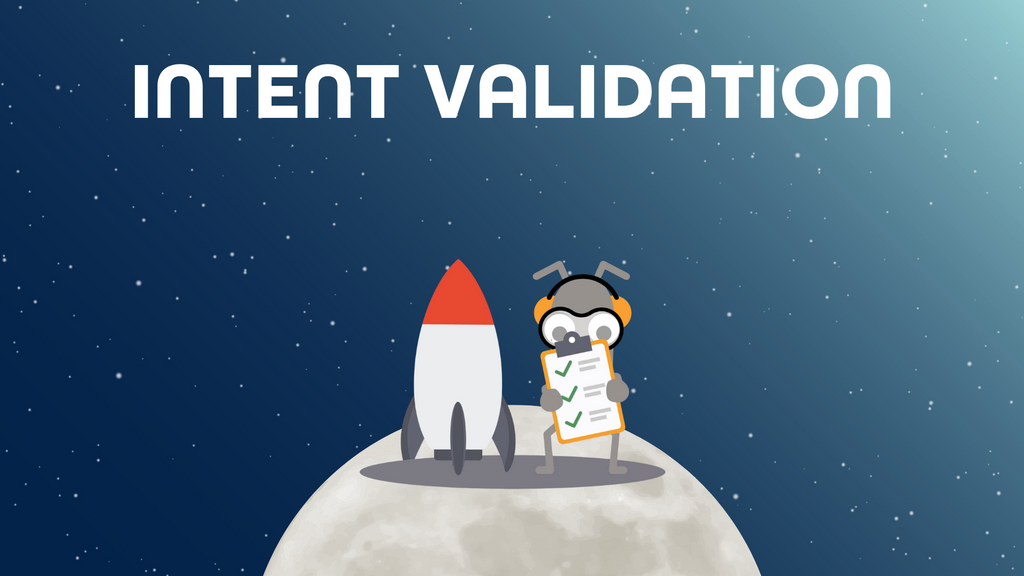
The process of checking whether an agentic coding tool actually built what was asked for, and whether it built anything that was not asked for. As AI coding agents have latitude to make their own decisions, the output they produce can drift from the original specification in ways that are not immediately visible.
Intent validation sits upstream of functional testing: before asking whether the software works, it asks whether the software is the right thing. It requires a combination of system knowledge, user empathy, and judgement about what constitutes acceptable drift versus what must be sent back.
For example: reviewing a knowledge graph of what an agent built against the original user stories; checking for features added without being requested; or confirming that access and permission models reflect what was specified rather than what the agent assumed.
Intent validation sits upstream of functional testing: before asking whether the software works, it asks whether the software is the right thing. It requires a combination of system knowledge, user empathy, and judgement about what constitutes acceptable drift versus what must be sent back.
For example: reviewing a knowledge graph of what an agent built against the original user stories; checking for features added without being requested; or confirming that access and permission models reflect what was specified rather than what the agent assumed.