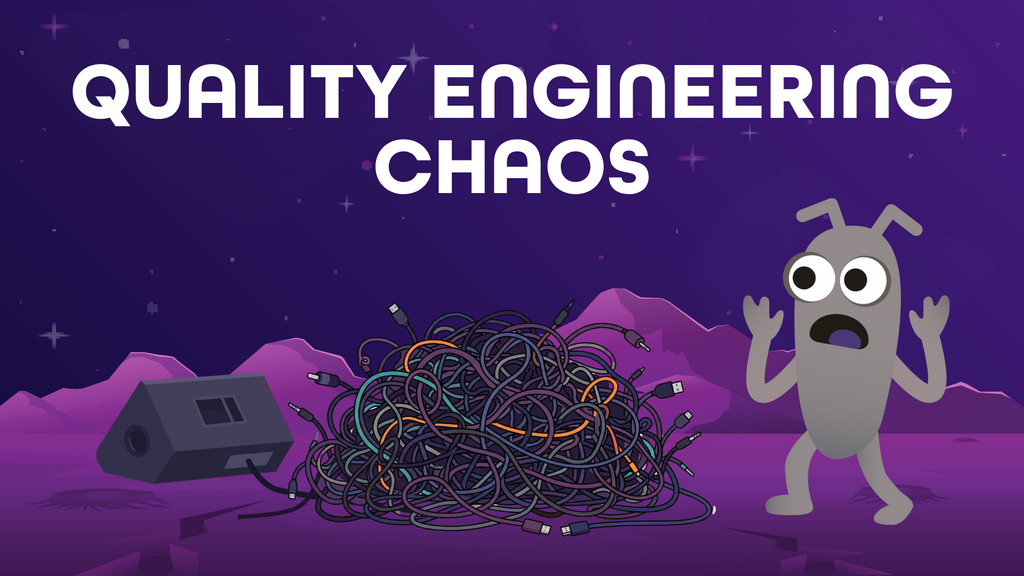
Definition: The confusion, frustration, and unproductive extra activity that arises when an organisation adopts Quality Engineering (QE) by renaming roles and introducing new practices without redesigning the surrounding system of workflows, incentives, decision rights, and ownership.
So what? QE transformations often struggle not because teams lack skill or commitment, but because the promise of QE (shared ownership, faster feedback, delivery confidence) meets a reality of unclear ownership, growing automation backlogs, and recurring problems when the system around the roles has not changed.
Examples: Testers are renamed Quality Engineers yet are still brought in late in delivery, so their influence over quality does not grow; automation coverage increases while delivery confidence stays flat and maintenance costs rise; dashboards are reviewed regularly but the same problems keep recurring because no decisions follow.
So what? QE transformations often struggle not because teams lack skill or commitment, but because the promise of QE (shared ownership, faster feedback, delivery confidence) meets a reality of unclear ownership, growing automation backlogs, and recurring problems when the system around the roles has not changed.
Examples: Testers are renamed Quality Engineers yet are still brought in late in delivery, so their influence over quality does not grow; automation coverage increases while delivery confidence stays flat and maintenance costs rise; dashboards are reviewed regularly but the same problems keep recurring because no decisions follow.