
Activity (1)
Course (2)
Glossary Term (109)
Insight (43)
Certification (2)
Collection (14)
Session (37)
Moment (227)
Link (74)
















1,000 songs in your pocket changed how the world listened to music. The MoTaverse changes how tech professionals grow their careers.Sixteen features, sixteen stories, one thread running through al...
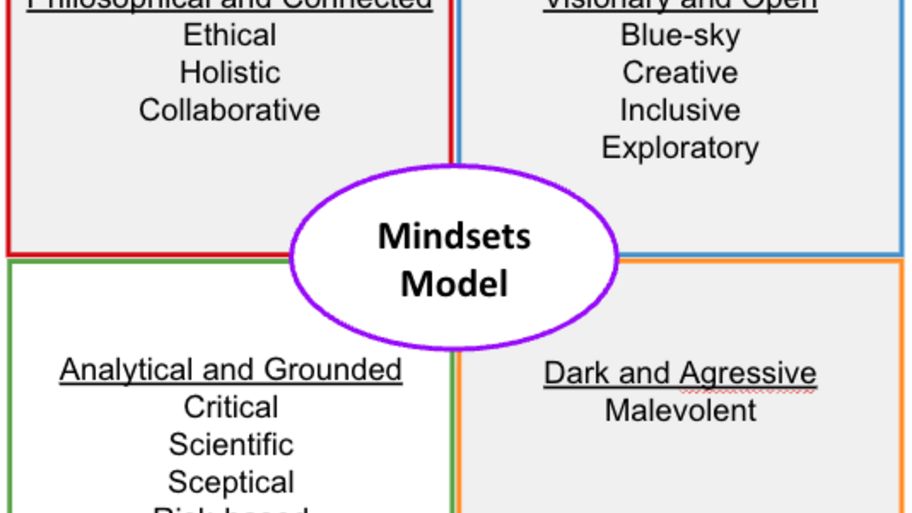
In my previous 'ask the MoTaverse,' I wanted to know what people thought of my mindset model. You can still comment, but I've done a new graphic. Those who have seen my stuff will recognise th...
Strengths, Weaknesses, Opportunities, Threats (SWOT). Four boxes, often in a grid. Can be used individually or for teams. I'd guess some of you have sat through a workshop where someone's drawn it on a whiteboard or handed out sheets, excited to discover root causes, gaps and productivity gains. So why does it so often end up as a box-ticking exercise, particularly for teams, rather than something genuinely useful? If it isn't familiar to you, you may have done something similar with 'What's going well, what's going wrong, and what could be better?' That and similar exercises are essentially watered-down versions of the original SWOT that came from the Stanford Research Institute in the 1960s.
Strengths and Weaknesses look inward. What are we good at, and where do we fall down? Opportunities and Threats look outward, at the world beyond the team or the product. That split matters more than it gets credit for. It's easy to fill the grid with things you already believe about yourself and never actually look deep inside. I'm the same. One done for me looks very different to one done as part of a team.
I've sat in sessions where the "weaknesses" box got suspiciously thin because nobody wanted to be the one writing something uncomfortable down in front of the boss. No one likes admitting weakness. No one likes openly criticising or questioning colleagues. But that's not a SWOT problem. That's a psychological safety problem.
In my opinion, it earns its keep first when you are honest, and then when it is used as a starting point for conversation rather than just an answer. Whatever is captured is worth nothing unless it is the truth, and until someone asks what we're actually going to do with that information.
Work in progress, or WIP, means exactly what it says. Work that's in progress. Started, not finished, sat somewhere in the middle. Simple enough, in theory. But there's more to it than that.
Where it gets interesting, or annoying, depending on your team, is WIP limits. That's a deliberate cap on how many things can be "in progress" at once, originating from Kanban and lean manufacturing. In my experience, most teams have a WIP problem because everyone's trying to help, everyone picks something up, and suddenly there are fourteen tickets half-finished and nothing actually shipped. Because busy isn't the same as done, is it?
A WIP limit forces a choice. Finish this thing, or you can't move on. I can't remember when I came across the saying "stop starting, start finishing". I believe it is an Agile principle, or it was originally linked to Kanban, but I'm not sure. What I do know is that for a long time I had a post-it note on my desk with it on, and it helped me focus on the work in front of me.
So next time your board's heaving with WIP, don't just ask what's blocked. Ask why so much got started in the first place and how we can improve the process.
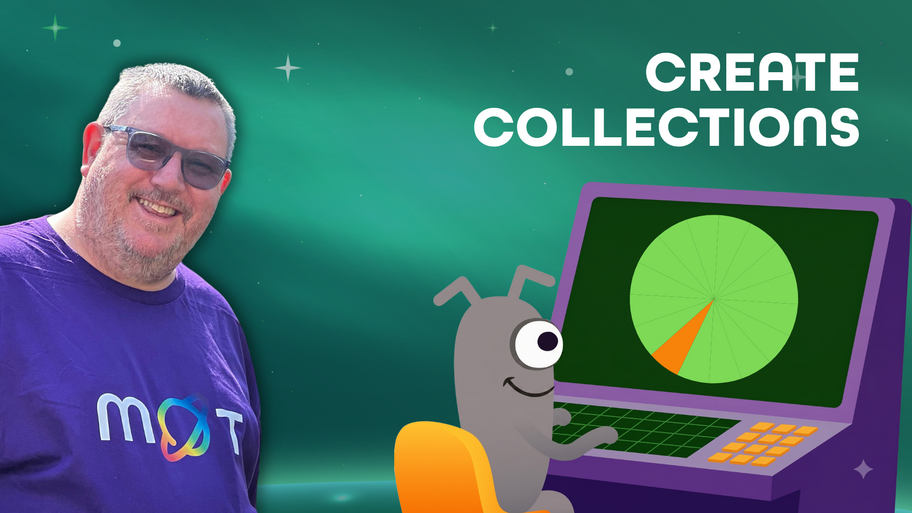
Collections are a big one for me. Being able to organise content and access it quickly was a game changer when it was introduced. It is great in many ways, but the fact that you can have private o...
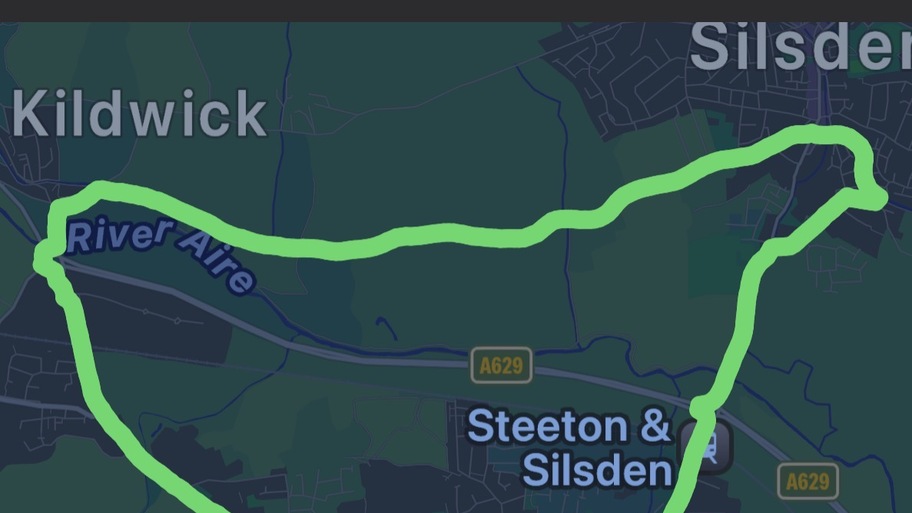
After years of back pain finding the root cause and a lot of relief means I can actually do some exercise. I love walking, but longer walks haven’t been possible until recently. I’m hoping these wi...
There are countless ways to show up and contribute. Which one will you try today?

Better than a generic video, see YOUR test, live, ready to show you what matters most: quality at scale.

A live look at agentic testing workflows in action!
How are teams like yours balancing speed, quality, security, and AI in 2026? Download your copy and get real insights.
