


Strengthen your test automation strategy by shifting tests closer to the code for greater reliability and maintainability

New collection


Technical testing is the practice of examining software systems from their foundational elements to their complex interactions, using tools and knowledge to verify functionality, performance, and reliability at multiple levels. Whether you're inspecting network logs, analysing database queries, or investigating responses from application programming interfaces (APIs), technical testing helps you maintain quality through a thorough understanding of the system.



Requirements are documented descriptions of what a system does, how it behaves, and what constraints it must operate within. They're more than just a wish list or a set of features. They are a contract between stakeholders about what will be delivered.
Requirements translate business needs into technical specifications. They ensure that what gets built aligns with business objectives and user needs.



Risk refers to any potential event or condition that could adversely impact the project or product, ranging from minor software bugs to significant issues that harm business operations, reputation, or legal standing.



Boost your career in software testing with the MoT Software Testing Essentials Certificate. Learn essential skills, from basic testing techniques to advanced risk analysis, crafted by industry experts.

Getting tests that catch real failures is the hard part. Join us on Oct 8 and see how it's done.
How are teams like yours balancing speed, quality, security, and AI in 2026? Download your copy and get real insights.

ACCELQ builds tests in plain English, no code, cuts maintenance 70%. Book a demo to see it across your entire stack!
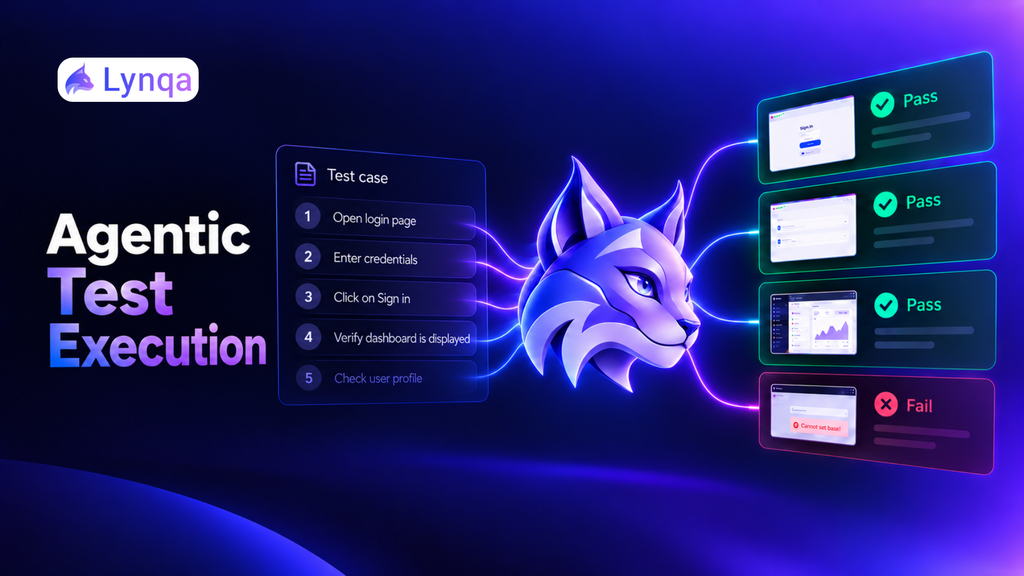
See how Lynqa runs your existing tests as written, captures step-by-step evidence, without code or no-code.
