

A playful backronym coined live in the TWiQ chat as a testing-world companion to the DRY/WET family of terms, standing for "Test Everything Twice." as a counterpart to WET (Write Everything Twice), it captures the idea of deliberate, thorough verification rather than assuming a single test pass is sufficient. Like WET and DRY, it works best as a conversational shorthand for a mindset rather than a strict rule.
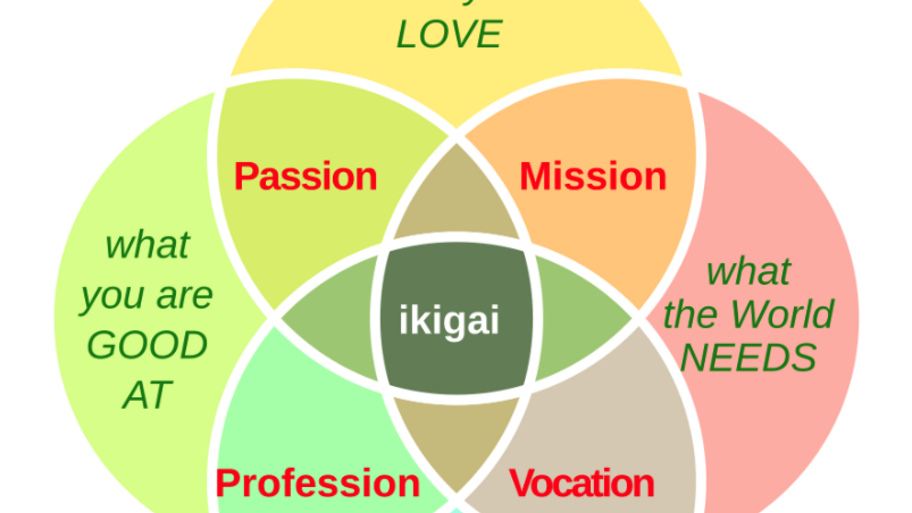
Ikigai (生き甲斐, lit. 'a reason for being') is a Japanese concept of an individual's definition of the meaning of their life.Héctor García and Francesc Miralles included a Venn diagram of Ikigai in their book: "Ikigai: The Japanese Secret to a Long and Happy Life". This diagram includes four elements: what a person likes, what a person is good at, what the world needs, and what can be rewarded. When these four elements overlap, that person has found their ikigai.

It's hard to determine how a change in the input value will take effect on the output value. Here comes the metamorphic testing. It's hard to find out whether this value is correct or just an example of hallucination.

Better than a generic video, see YOUR test, live, ready to show you what matters most: quality at scale.
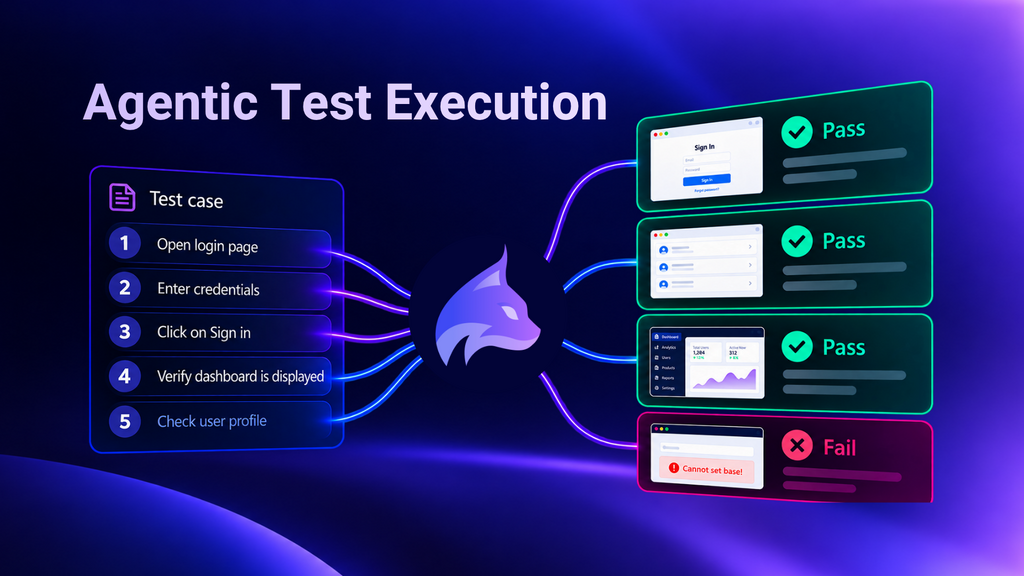
See how Lynqa runs your existing tests as written, captures step-by-step evidence, without code or no-code.
BearQ continuously tests your app, reducing test maintenance and uncovering gaps scripted tests can miss.
Take this 7-question assessment to see where your QA team stands and get a plan for what to automate next.
