



The key to continuous learning is continuous curiosity
During a Call for Insights with Simon Tomes, continuous learning came up as a broad topic. One thread stood out: sharing. So here's a share about sharing.
If something you read, learned, or stumble...
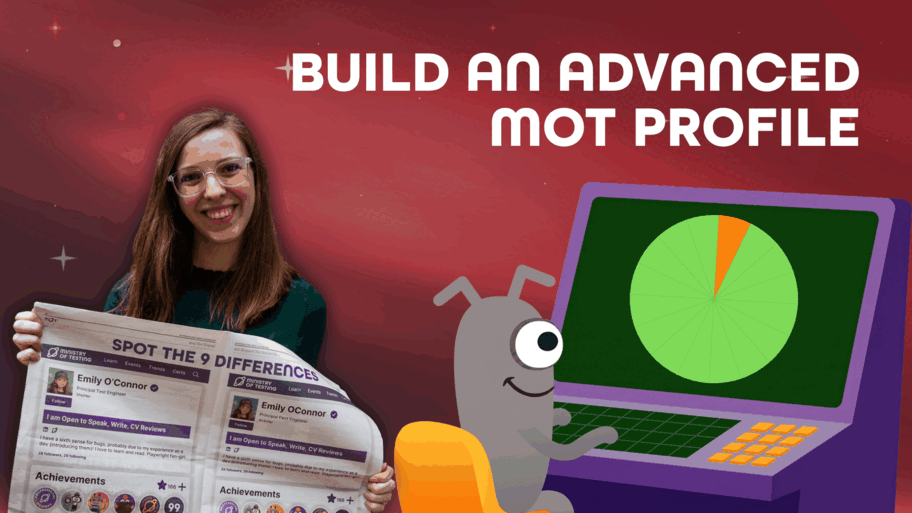















1,000 songs in your pocket changed how the world listened to music. The MoTaverse changes how tech professionals grow their careers.Sixteen features, sixteen stories, one thread running through al...
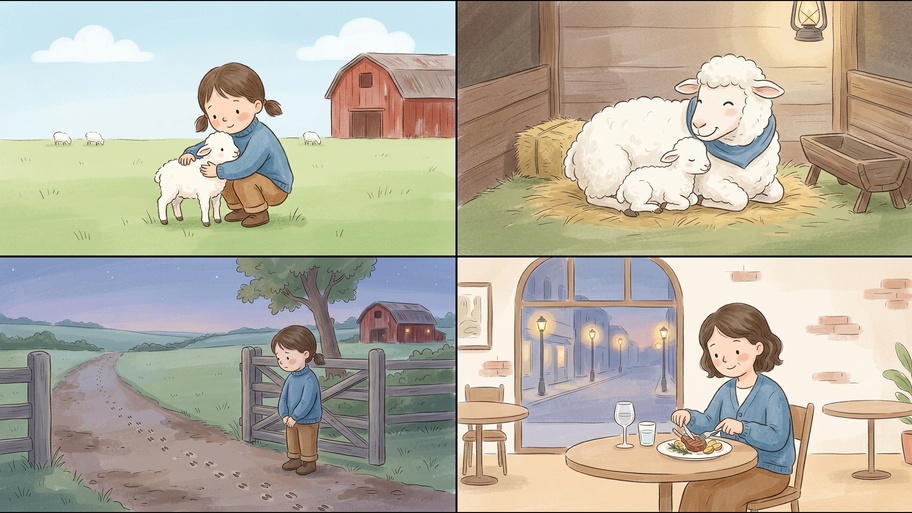
Earlier this week, I was looking for a simple way to illustrate to my teams why shared understanding and early discussions matter so much.
That’s when I remembered software pioneer Jerry Weinberg’s...

This is a wealth of knowledge ready to be ingested at your own time and pace. It covers talks you may have attended, or others you weren't able to. The fact you can always go back makes it even eas...
Definition: The ongoing practice of staying curious and actively seeking to become more knowledgeable across a range of topics, treating almost any experience as a potential lesson. It applies to work and life alike, and includes reflecting on things that go wrong so they can be learned from and prevented in future.So what? Curiosity and a habit of learning continually are treated as core to quality work, helping practitioners keep pace with change and turn everyday events into growth rather than letting learning stop after formal education.Example: Booking a regular weekly slot to study during work hours, then applying a newly learned concept in a meeting later that same week.
BearQ continuously tests your app, reducing test maintenance and uncovering gaps scripted tests can miss.

Manage your entire QA lifecycle in one place. Sync Jira, automate scripts, and use AI to accelerate your testing.

With servers in >250 cities around the world, check your site for localization problems, broken GDPR banners, etc.
Take this 7-question assessment to see where your QA team stands and get a plan for what to automate next.
