


Clare Norman and I were discussing how much we miss Judy Mosley not being here at MoTaCon festival week. Judy, we both agreed that you’re an awesome human and hope one day we can meet you in p...



Sometimes, you just need to be near people. If you're in tech, it can feel like all you hear about is AI.Maybe you've worked with it for a while, or you're side-eyeing it from a corner.Or mayb...
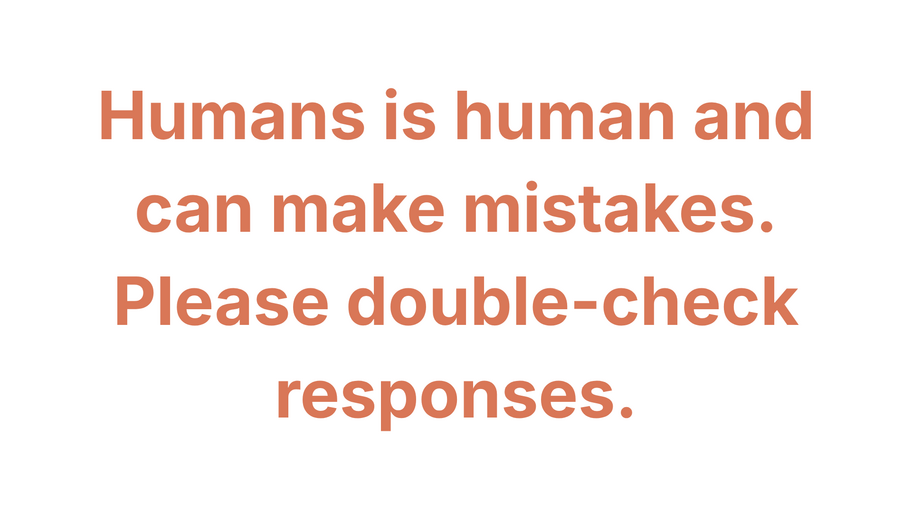

Inspired by a wonderful conversation with Judy Mosley during TWiQ, we landed on a disclaimer that we should display on ourselves at all times:
Humans are human and can make mistakes. Please double-...

A reflective episode on joining new teams, respecting existing quality processes, asking better questions, naming the work we already do, and using community to turn uncertainty into learning.
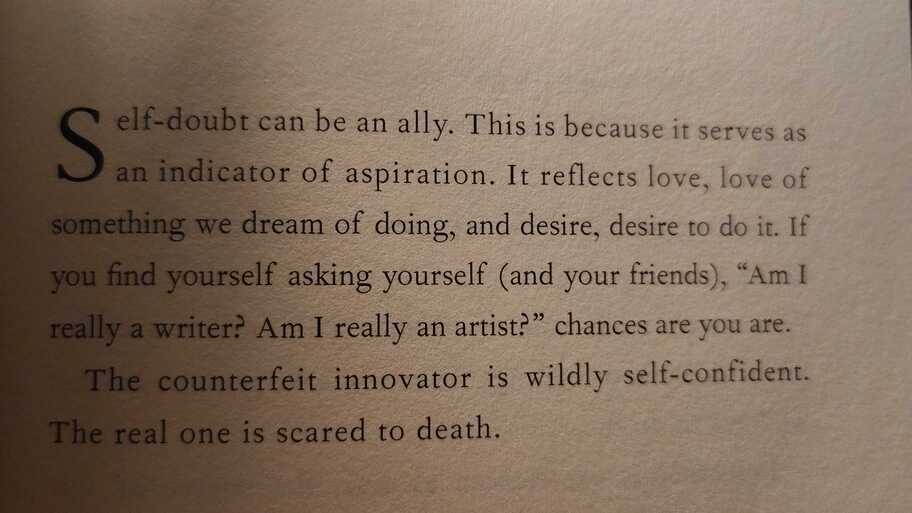
On this week's Episode 147 of This Week in Quality, the topic of Impostor Syndrome came up, and I said I'd share something I read recently from the "War of Art" by Steven Pressfield. The quote itse...

An approach to raising issues that focuses on surfacing the problem and moving forward, without assigning fault to whoever caused it. So what? Removing blame from the process of reporting issues makes people more willing to speak up quickly and honestly, rather than covering things up out of fear of consequences. Example: A team lead frames bug reports as "here's where we are, what do you want me to do with it," rather than pointing fingers at who introduced the problem. Editorial note: This definition has been inferred from how the term was used in the source material.


Being on the job hunt is frustrating. With the role of AI now part of the process, it can feel scary wondering if your resume will be seen at all! Spending months applying and being unsure if anyth...

A 'good problems' episode about production-testing drama, MoTaverse growth, new voices, lifelong learning, and how community conversations help people keep going.
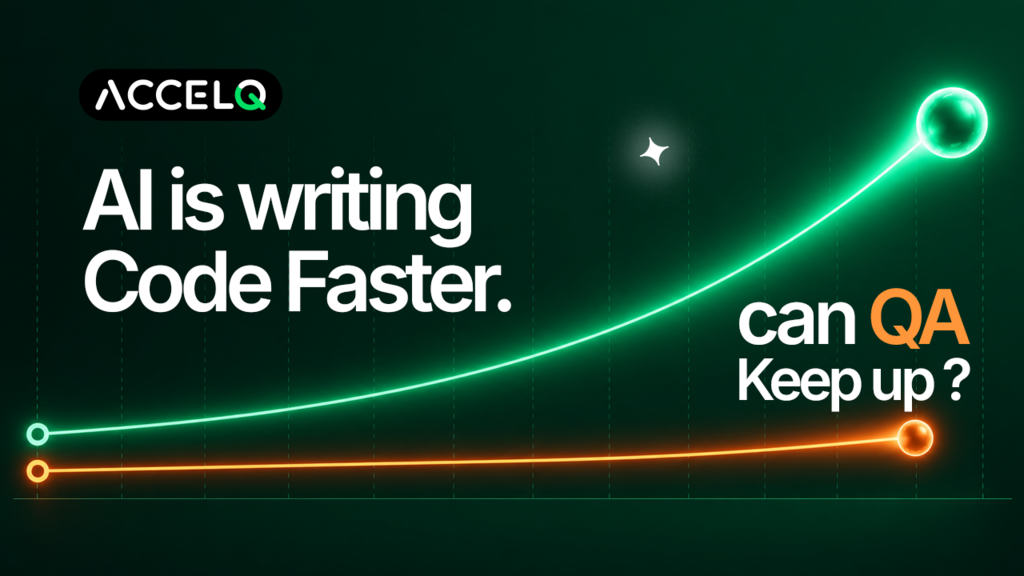
AI writes code in minutes. Learn how vibe testing helps QA validate what changed before it reaches your users.
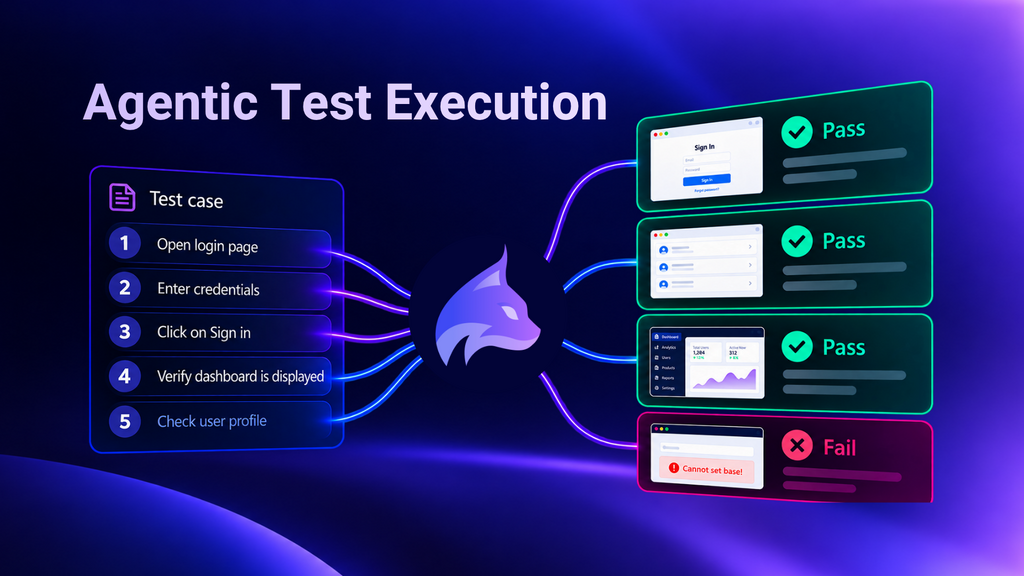
See how Lynqa runs your existing tests as written, captures step-by-step evidence, without code or no-code.
Better than a generic video, see YOUR test, live, ready to show you what matters most: quality at scale.
Run only tests impacted by code changes. Get feedback faster.
