

Documentation that was accurate at the time of writing but has since become outdated due to changes in the system, codebase, or process it describes. In testing, stale documentation is a significant risk because teams may test against expectations that no longer reflect actual system behaviour. Documentation stored in tools like Confluence is particularly vulnerable to going stale when it is disconnected from the development workflow and not actively maintained alongside code changes. The problem is often not that documentation was never written, but that there is no mechanism to keep it current.
An approach to quality in which teams without dedicated quality engineers are equipped with the knowledge, templates, and tooling to make sound testing decisions independently. Rather than requiring a specialist to be present for every significant project or incident, self-serve testing relies on well-designed prompts, charter libraries, and structured guidance that carry quality thinking into conversations and contexts where a quality engineer is not physically present. It is particularly relevant in organisations where quality engineers are significantly outnumbered by delivery teams.

As originally defined by Atlassian, the Quality Assistance Model promotes the ownership of quality and testing by every engineer on the team, regardless of their role. This allows each engineer to develop code, test it, and release it to production without gatekeeping by a quality team or quality engineer.
Then what do testers do? Under the Quality Assistance Model, you use your testing expertise to guide and educate the team, empowering and influencing them to produce high quality software.
Sharing quality and testing responsibilities across the team spreads the testing workload more evenly and gives testers time to:
Build testing infrastructure
Fill gaps in test automation
Explore new tools and techniques
Monitor production performance
Conduct exploratory testing, ensuring sapient investigation of your product that automated tests cannot provide
Support developers on their team, or even on other teams
Take this 7-question assessment to see where your QA team stands and get a plan for what to automate next.
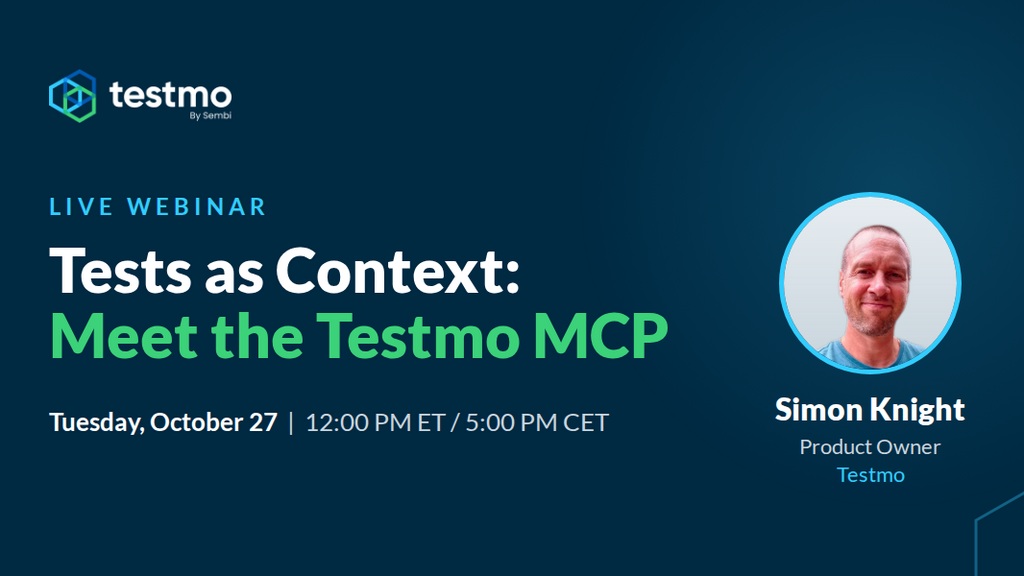
Your test cases are the context AI agents are missing. See how the Testmo MCP connects them in this free webinar.
BearQ continuously tests your app, reducing test maintenance and uncovering gaps scripted tests can miss.

There are countless ways to show up and contribute. Which one will you try today?
