
Cameron Browne

Cameron Browne
QA Engineer
he / him
AI Lead @ Ministry of Justice Testing CoE. Integrating AI to empower testers & SDETs. Focused on the future of SDLC assurance and building secure, reliable software in the AI age.
🎂 MoTaBirthday | February 4, 2026
On the 15th of January 2026 myself and Ujjwal Kumar Singh joined a call and pressed record. We were curious to see what would happen. A few weeks later I’d done the same with Neil Taylor and Clare ...
6 Jul
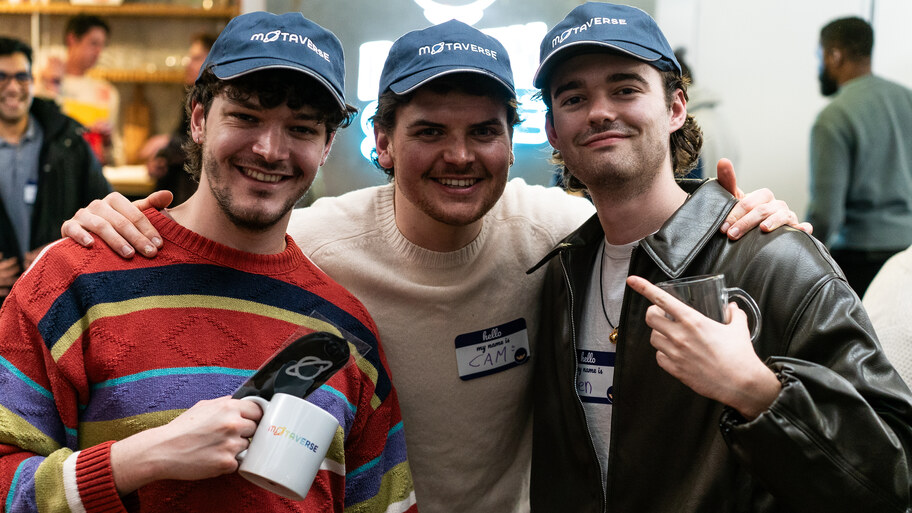
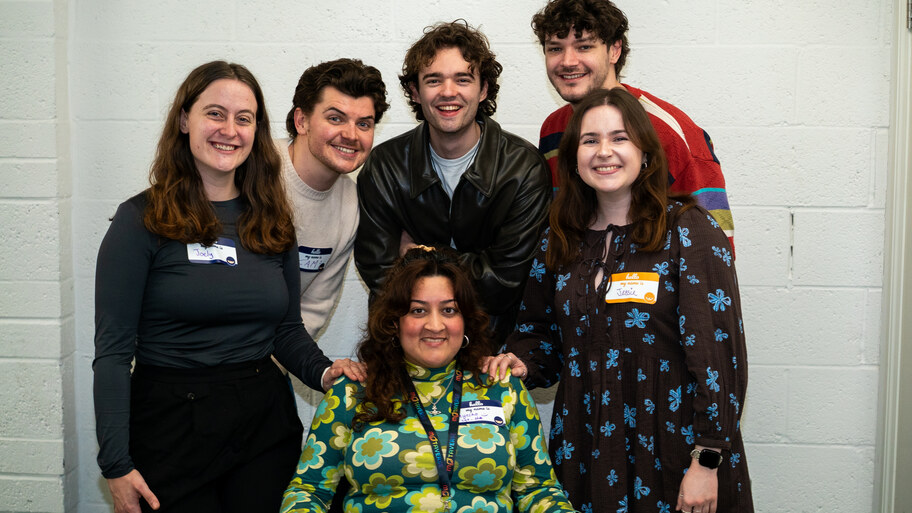

A new portrait photo of Cameron Browne taken at MoT London
6 Mar

Grounding, reviewing and trimming your way to something more reliable
2 Jun


A series of 99-second talks exploring careers, community, AI, accessibility, hiring, and the human side of quality engineering.
20 Mar
Token Efficiency
The practice of reducing the number of tokens consumed by an agent's configuration and instruction files, so that more of the available token budget is preserved for the actual task, improving output quality and reducing cost.
"You want it to be as token efficient as possible, aka have less text involved. So you wanna shrink down everything that we've just done and set up, get rid of everything you don't need that's in there. There'll be things that are left in there that you don't need. There'll be things that are wordy. Again, you can use AI to do this. You can take your configuration file, give it to an AI, and say, "I'm trying to make this more token efficient, but I still want all of these, all these configurations, measures that I put in place to be in place for this agent. How can I provide this in a more efficient way?""
Context window
In the context of AI, the context window is the context that an agent is pulling in and that is being sent to the model, including instructions, conversation history, and any provided documents or files.
Grounding
Grounding is the practice of limiting where an AI agent can pull information from, constraining it to specific documents, URLs, or knowledge sources to control accuracy and reduce reliance on potentially outdated or biased external content.
"Instead of just defining what is in your context window, you're defining what decisions your agent is gonna make to pull context in to your context window. And when you ground an agent, you think of that as limiting where your agent can pull information from. So if you ground an agent, for example, to only refer to these three URLs and don't refer to any other websites it's a good way to control the information that your agent is using and pulling into. This can be really helpful with things like guidelines that are regularly updated or there's multiple versions of, like WCAG guidelines."
Pilot Agent
An orchestrating AI agent responsible for receiving a large task, breaking it into subtasks, delegating those subtasks to specialised sub-agents, and keeping track of the overall progress, similar to how a delivery manager coordinates a team.Consider that different models have different costs. You can have your pilot agent on a very basic model. For example, you have a pilot agent whose job is to just make sure that each sub agent gets the right task at the right time, the first thing it can do is it can hand something off to a planning agent that that's on a better and more expensive model. The pilot agent gets all the information it needs ready, and gives it to the planning agent. That sort of prompt using a pilot agent is as token effective as possible.
Privacy by Design
Protecting sensitive data is probably the first thing you should think about whenever you're considering using AI for any purpose.Privacy by Design is an approach to building systems where protecting sensitive data is the primary consideration from the outset, rather than something added later. Security and risk mitigation are embedded into the design process, not bolted on.
Comments
(2)
Three principles for AI Agent Configuration
Thanks Simon! Looking forward to part 2 :)
Cameron Browne's MoT London portrait
Thanks Oliver!



Not registered for any upcoming events
Observatory Enabler
This badge is awarded to those tagged in their first Observatory link.
Badge Award
about 1 month ago
Moment-um Builder
This badge is awarded to those that have been tagged in their first Moment.
Badge Award
about 1 month ago
Est 2026
This badge is awarded to those that joined the MoTaverse in 2026.
Badge Award
about 1 month ago
Bug congrats!
Nice one for completing the triple! Three Call for Insights published on the MoTaverse. 🤩🤩🤩
Community Star
2 months ago
