
An approach to raising issues that focuses on surfacing the problem and moving forward, without assigning fault to whoever caused it. So what? Removing blame from the process of reporting issues makes people more willing to speak up quickly and honestly, rather than covering things up out of fear of consequences. Example: A team lead frames bug reports as "here's where we are, what do you want me to do with it," rather than pointing fingers at who introduced the problem. Editorial note: This definition has been inferred from how the term was used in the source material.
A resource available to any person, built up and curated by the people of the MoTaverse. It thrives and expands through actions like writing articles, creating and continuing discussions on The Club, creating moments and memes that share insights, and thanking each other. Its action makes it possible to either give or earn stars.
A member of the MoT community writes an article, meme, or memory. Or, maybe they contribute to a talk or take part in This Week in Quality. What they say is absorbed by other members of the community and sparks an idea in someone else. The community member who receives the spark then contributes their own article, talk, or meme. The community member "riffs" on the original idea, expanding the original idea that creates sparks in other members. The conversation not only continues. It expands in new ways and meanings, sparking more conversations. The known boundaries goes as far as the riffs continue, making the stopping point, unknowable. Riffs spark riffs. The ripple effect can only be experienced
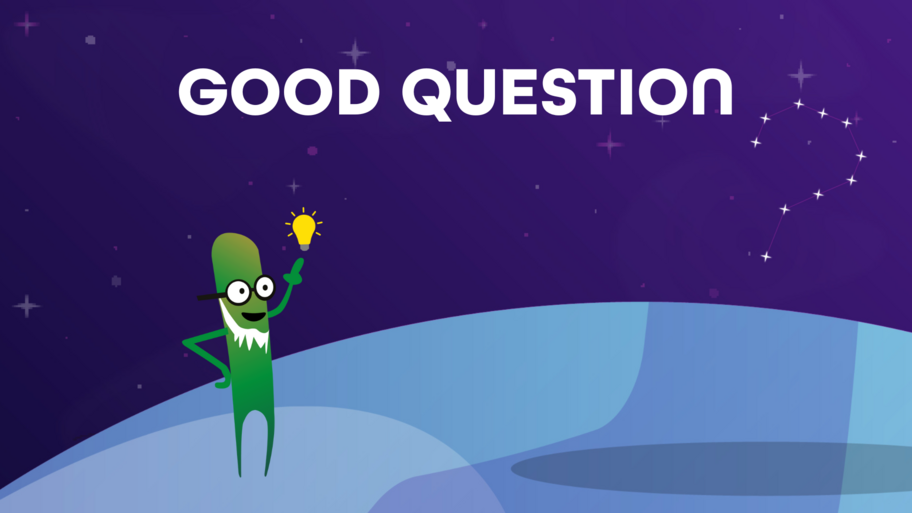
A spark that ignites in the mind of any person who finds themselves in any situation. The spark tends to lead with curiosity, causing someone to ask for more information, clarification, or meaning. At times, a person can feel a good question coming up before they have words to voice it. Creating space for thoughts and feedback is a great way to allow good questions to bubble up to the surface.I also like Tammy Palazzo’s definition:
“A good question stimulates thought, encourages discussion, and inspires an insightful response. It's a catalyst for learning and a beacon that guides us to the unexplored territories of knowledge.”

What is a feedback loop?
A feedback loop is the part of a system in which some portion (or all) of the system's output is used as input for future operations. Each feedback loop has a minimum of four stages. During the first stage, input is created. During the second stage, input is captured and stored. During the third stage, input is analyzed and during the fourth stage, the insight gained from analysis is used to make decisions.
A feedback loop is any information we receive as the result of introducing a system into our organization. Common examples of feedback loops:
Automated test results
Refinement sessions the team participates in
Bug reports
Feature request
Error logs in production
Take this 7-question assessment to see where your QA team stands and get a plan for what to automate next.

AI writes code in minutes. Learn how vibe testing helps QA validate what changed before it reaches your users.

There are countless ways to show up and contribute. Which one will you try today?
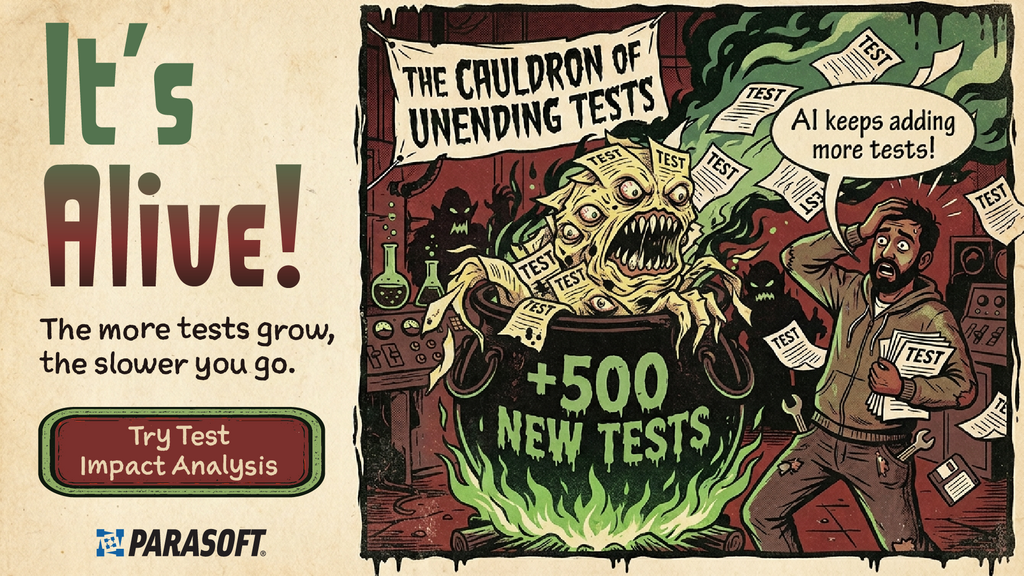
Run only tests impacted by code changes. Get feedback faster.
