
With servers in >250 cities around the world, check your site for localization problems, broken GDPR banners, etc.



Exploratory testing, risk-based thinking, benchmarking: the same approaches, aimed at a new kind of system


What a darts team taught me about building high-performing quality teams
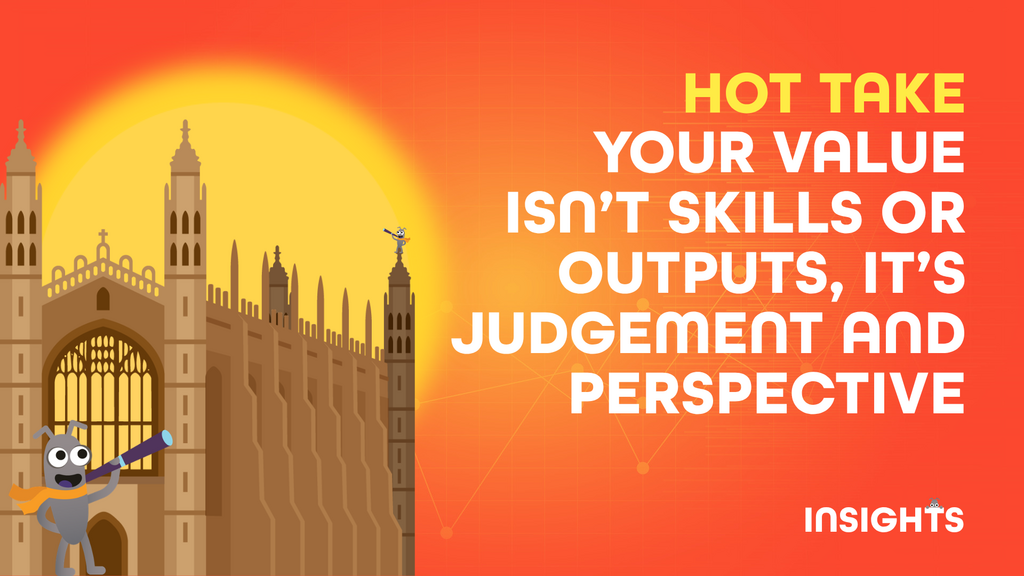
Are you measuring your worth by the wrong thing entirely?


The MSTA technical learning model brings motivation, strategy, task management and attitude together





10 ideas to question your quality AI work.


Browsers keep four different pictures of your page at once, and automation bugs live in the gap between them.

What actually sustains technical learning once the novelty fades?
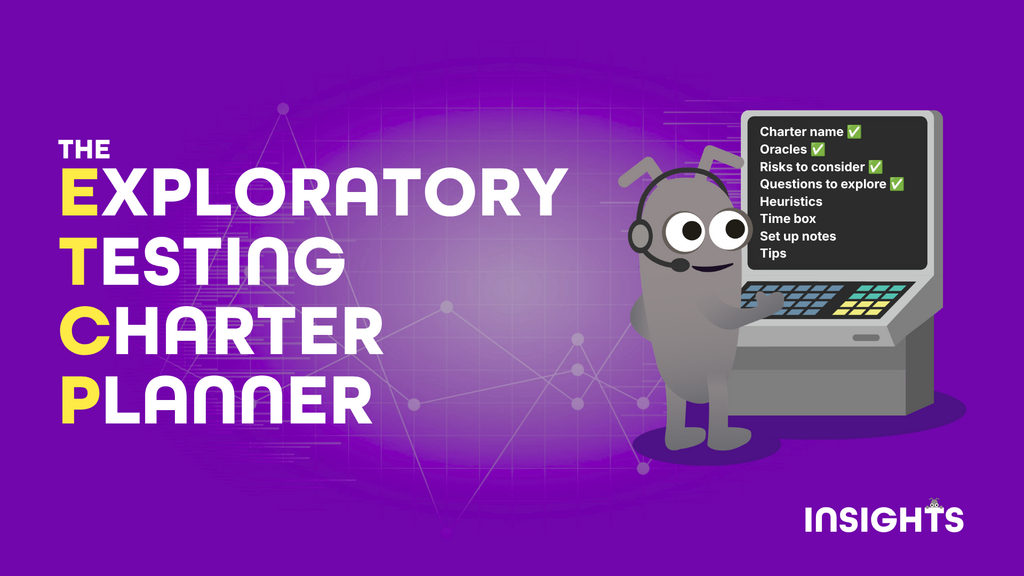
Lightly plan every exploratory testing session before you dive in


AI amplifies the good and the bad, so where should your team start?
The tool that makes your testing easier might be the same one cutting you off from the team that builds the product.


What if showing up was enough, because the rest is already built for you?
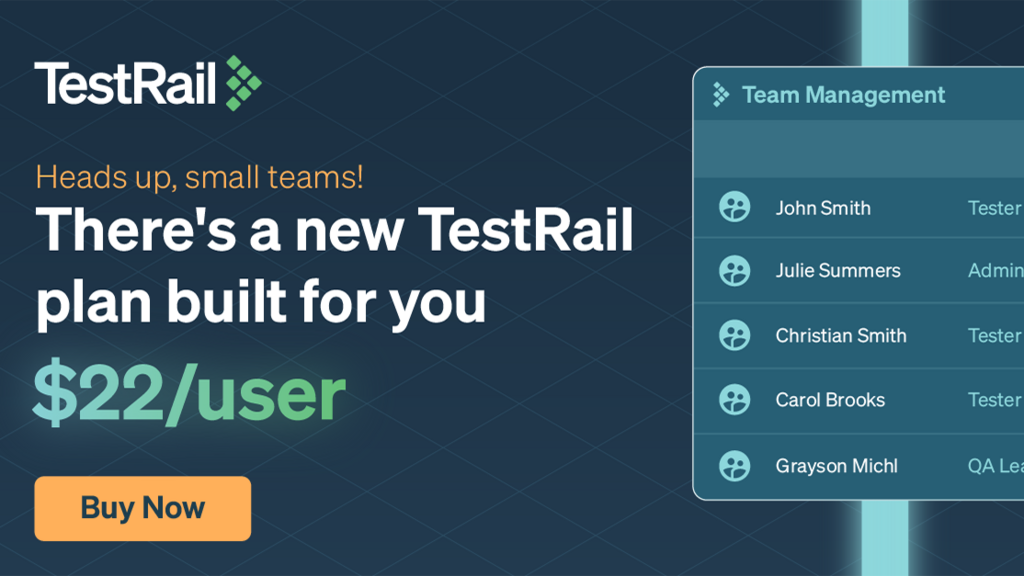
Team of 5 or fewer? TestRail now starts at $22/user. Test case management, defect integrations, reporting, and more.

Manage your entire QA lifecycle in one place. Sync Jira, automate scripts, and use AI to accelerate your testing.
With servers in >250 cities around the world, check your site for localization problems, broken GDPR banners, etc.

AI writes code in minutes. Learn how vibe testing helps QA validate what changed before it reaches your users.
