How do shoelaces link to risk?
23 Jun 2026
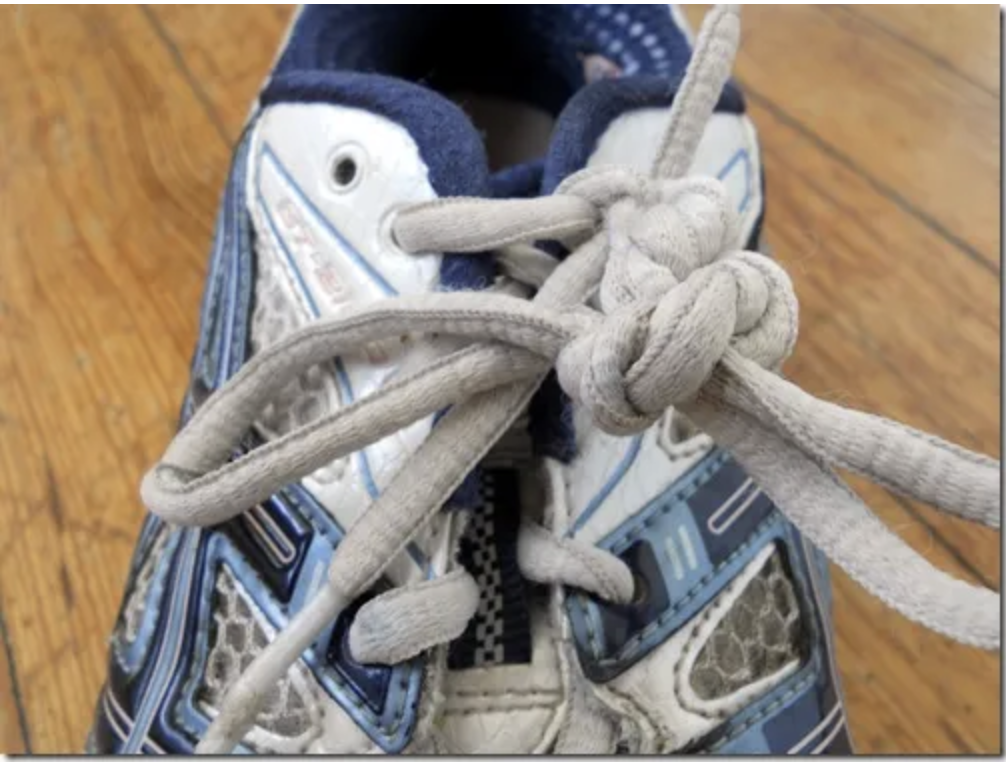
Double-knotting is the ultimate "just in case" insurance policy. But it also takes extra time and effort.
In Quality Engineering, we face this exact dilemma daily. We call it calculated risk.
In an ideal world, perhaps we would "double-knot" every piece of code - running exhaustive regression suites, heavy performance testing, and deep security scans on every minor change. But in the real world, we have deadlines and limited resources.
Just like with shoelaces, the right approach depends on the context:
- The Material: Modern architectures might handle a single knot just fine, while legacy systems often need that extra knot to stay secure.
- Existing Safety Nets: If you already have reliable automated test coverage holding things in place, the risk of a catastrophic slip is drastically lowered.
- The Impact: If you're running a casual sprint, a single knot is fine. If you're deploying to a critical payment gateway, you double-knot.
QE isn't about eliminating 100% of risk; it’s about proactively identifying and managing them. It’s knowing when to build an ironclad safety net, and when a single knot is enough to get you across the finish line swiftly. 👟
See more posts like this on my LinkedIn page https://www.linkedin.com/in/iamdeborahreid/

As a Lead Test Engineer, with 15 years experience, Deborah specialises in quality engineering, risk management, and scaling test strategies.
Over the years, she has spearheaded quality operations for major international expansions, including multi-region deployments and scaled QE to support expanding product domains. Most recently, she's focused on driving shift-left quality practices and automation.
She is deeply passionate about fostering a quality-first culture that balances speed with stability. Her approach centres on pragmatic automation - leveraging tools like Cypress where they add maximum ROI, paired with targeted exploratory testing to safeguard complex user journeys.
She also has a passion for accessibility testing and has written a course on the topic https://www.ministryoftesting.com/courses/introduction-to-accessibility-testing?s_id=19046932