Rosie Sherry

Rosie Sherry
CEO & Founder of the MoTaverse
She/Her
I've been working in the software testing and quality engineering space since the year 2000 whilst also combining it with my love for education and community. It turns out quality, community and education go nicely hand in hand.
I'm here for community as a service and building the best possible tech community out there.
🎓 MoT-STEC qualified
🎂 MoTaBirthday | November 23, 2014
Open To
Teach
Speak
Mentor
Podcasting
Write
CV Reviews
Meet at MoTaCon 2027

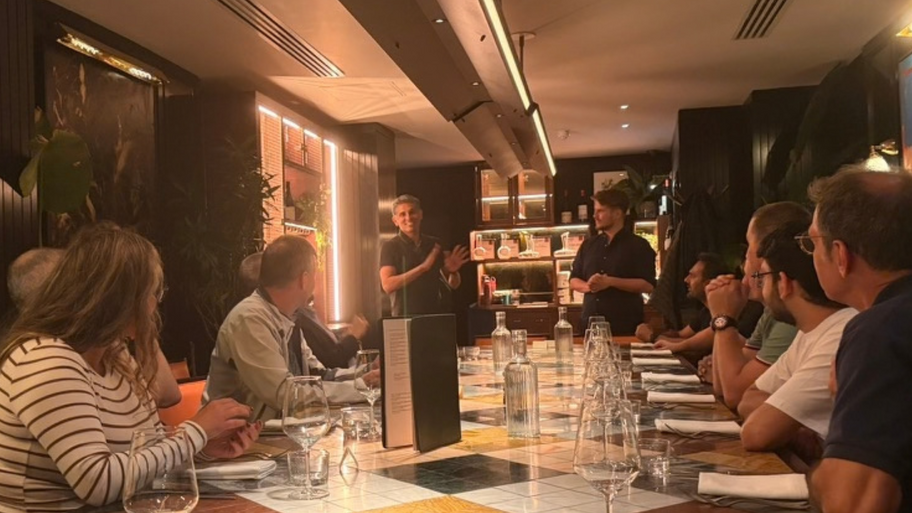
An evening filled with conversations, discussions, exchanging thoughts with known and new faces. The video is just a snapshot - in reality it was much more fun filled, energetic and loads of ...
11 Oct
Today I processed a large chunk of all the things from MoTaCon. Post-MoTaCon often feels like the start of a new year. A chance to catch our breath and to process all the things. And then start the...
10 Oct
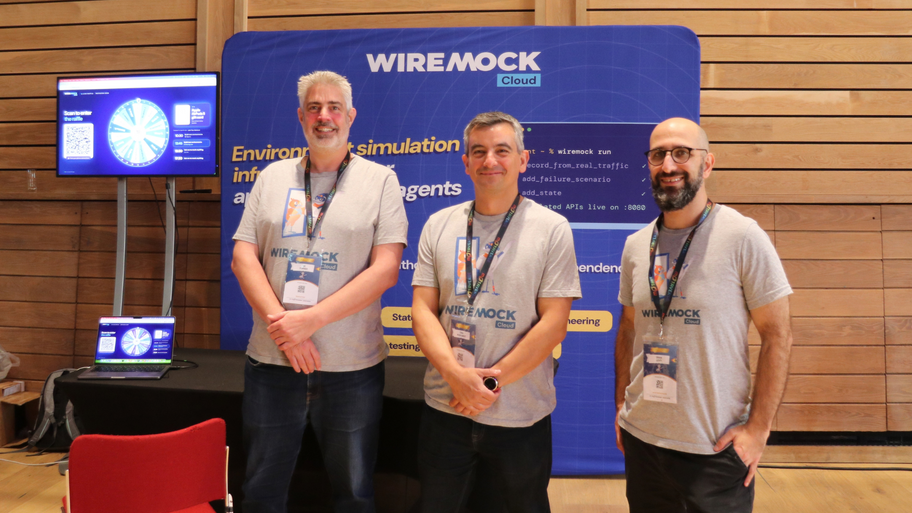
It was great to have the WireMock representing at MoTaCon 2026 and fun to relate to Tom about indie hacking. :)The journeys of businesses are varied and always challenging!
9 Oct
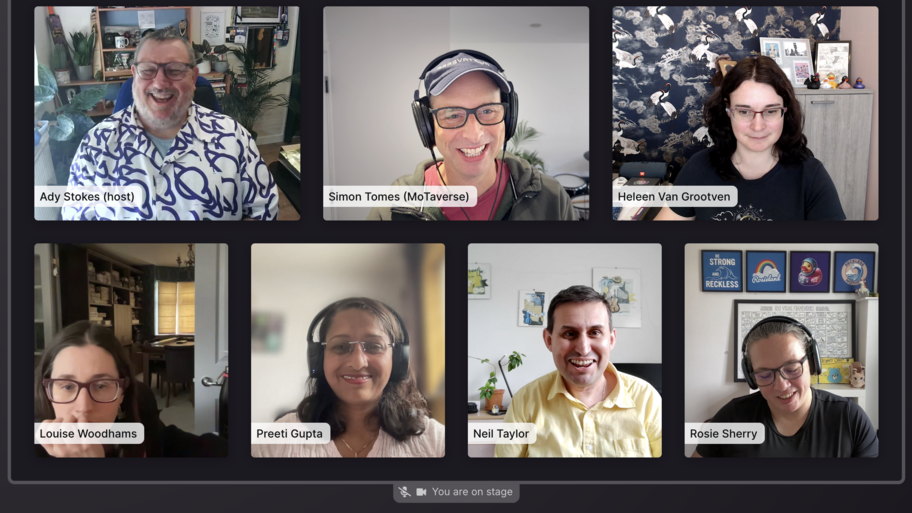
It's important to gather after something special like MoTaCon festival week. It's good to reflect and just to have a chat about things.I have no other key learnings to share. That is all.Good peopl...
9 Oct

Data and a visual card deck to help you explore product risks
13 Oct
A post-MoTaCon reflection episode celebrating the festival week’s workshops, talks, volunteering, community connections, Moments, stars, swag... and many unexpected memories made in Brighton.
9 Oct
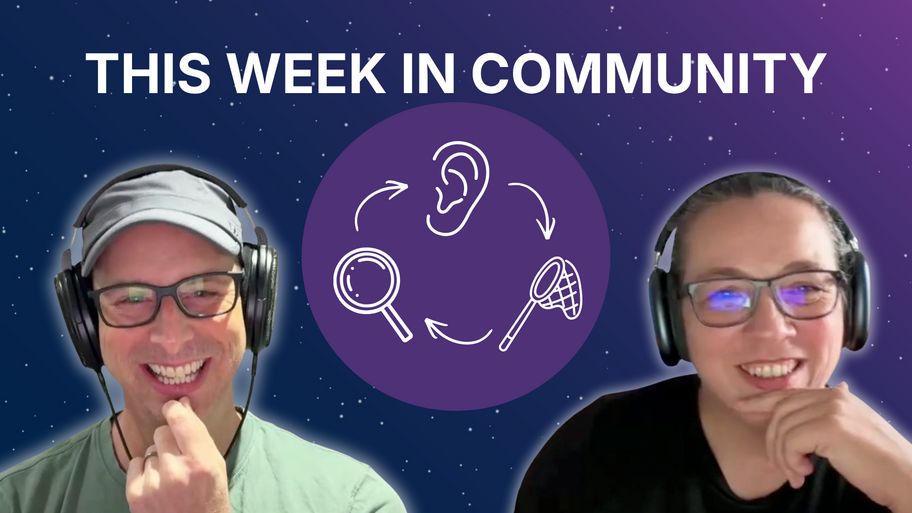
A new life awaits you in the offline communities: listen, capture, and analyse the signals that show your community is popping off.
7 Oct
Wicked Problem
A wicked problem is a problem that lacks a definitive formulation, a clear stopping rule, and an objectively correct solution.
Moments
Definition: Short-form blog posts published within the MoTaverse platform, used by members to share updates, reflections, or content without needing a longer article format. So what? Like Observatory, this is a platform-specific feature name rather than an industry term, it illustrates a lightweight, collaborative and community way for members to keep publishing and building their profile. Example: A member posting a steady stream of short updates about their work, prompting others in the community to read and respond to each one.
The Observatory
Definition: A feed within the MoTaverse platform where members share links to articles, resources, or content they've found valuable, earning recognition when others click through and engage with the shared link. So what? This is a MoT-specific platform feature rather than a general testing or tech term, so it's unlikely to be a meaningful glossary entry for an external audience, though it's worth noting as a mechanism that encourages knowledge sharing and rewards curation. Example: A member shares an article about differing personal working styles, and both the sharer and anyone who reads it via the link earn recognition for the interaction.
Round Table
A discussion format involving a small group of people, rather than just two, exploring a topic together in a conversational, non-scripted way.In the MoTaverse we host roundtables in various formats, recently introducing them online. So what? This format sits between a one-on-one conversation and a full talk, giving more people a chance to contribute perspectives on a topic in a relaxed setting. Example: A small group session where a handful of practitioners talk through a shared theme together, similar in spirit to a two-person conversational format but with more voices in the room. Editorial note: This definition has been inferred from how the term was used in the source material.
Ninety-Nine Second Talk
A very short, informal talk format lasting around ninety-nine seconds, used as a low-pressure entry point for people who haven't spoken publicly before. This short talk format started in the early days of the MoTaverse at TestBash (now MoTaCon) and has continued to live on at conferences, chapter and virtual events.It has also expanded beyond the MoTaverse and inspired external communities to adopt the same approach. So what? The short format removes much of the pressure associated with public speaking, making it an accessible first step that can build confidence and lead to further involvement, such as writing or longer talks. Example: Someone giving a ninety-nine second talk at a conference as their very first public speaking experience, which later leads them to contribute further content and encourage others to get involved too.
Comments
(307)
🖖 Stop guessing, start seeing: the rise of Observability-Driven Testing
@calum, we'll get this live tomorrow, hope that helps!
When you receive swag you can actually use...
Mugs are great pen holders! :)
Is ISTQB Foundation worth anything?
Discovering words is fascinating, isn't it? In the sense that they open whole new worlds and ways of thinking.
You might enjoy the MoTaverse Gloassary. 😊 Pro members can contribute to it too: https://www.ministryoftesting.com/software-testing-glossary
Challenge accepted: Ask AI about you and MoT
I love how it sees you are stepping up into things :)
Is LaundryBash a thing?
These comments are reminding me of the pile of laundry we have been neglecting! :|
When a job ad says Engineering Manager, are you sure which job they mean?
(www.linkedin.com)
12 Oct
OpenAI will watermark ChatGPT outputs by default—but only in the EU
(arstechnica.com)
11 Oct
11 Oct

Member joined your Chapter
Member joined TWiC — This Week in Community chapter
Community Star
2 minutes ago
Lucky Duck: My second 99-second talk @ MoT Berlin #63
I am a lucky duck, because 7½ years ago I started my journey as a Quality professional. I am a lucky duck, because 4½ years ago I started looking into the MoTaverse. I am a lucky duck, be...
Contributor thanking
about 3 hours ago
Thanking contributors
Lucky Duck: My second 99-second talk @ MoT Berlin #63
Community Star
about 3 hours ago
Thanks for your contribution
Lucky Duck: My second 99-second talk @ MoT Berlin #63
Community Star
about 3 hours ago
