
Trust Isn't Built by Winning
01 Aug 2026
Like many people in our profession, I started as a solo tester. My world revolved around understanding systems, finding defects, improving quality, and continuously learning.
Leadership wasn't part of the plan. Then, almost without noticing, things started to change.
A colleague would ask for help. Then another.
Soon I was mentoring two or three people, reviewing test approaches, sharing ideas, and helping others solve problems. Somewhere along the way, I realised that my success was no longer measured only by the quality of my own work, but by how much I could help others succeed.
That was probably the moment my leadership journey began.
My first real leadership experience came at PeoplePerHour, where I led a distributed testing team across Greece and the UK.
Later, during my 13 years at Trasys Greece, my role continued to evolve. Beyond leading teams, I found myself helping projects choose testing technologies, improve engineering practices, and solve technical challenges across different domains.
Later, during my 13 years at Trasys Greece, my role continued to evolve. Beyond leading teams, I found myself helping projects choose testing technologies, improve engineering practices, and solve technical challenges across different domains.
Looking back, every new responsibility felt slightly bigger than the previous one. And every single time, I had exactly the same thought:
"Am I really ready for this?"
The funny thing about leadership is that confidence rarely arrives first. Experience does.
One of the biggest lessons in my career didn't come from a successful project. It came from losing an argument.
Years ago, while working with a European organisation, I strongly recommended that we should avoid adopting a particular testing framework. From a technical perspective, it was already clear that its future was uncertain.
We discussed it in workshops. We exchanged countless emails. We challenged each other's assumptions.
I explained why I believed we would eventually pay the price for that decision. In the end, my recommendation wasn't accepted.
The framework was adopted. A few years later, it became deprecated.
I explained why I believed we would eventually pay the price for that decision. In the end, my recommendation wasn't accepted.
The framework was adopted. A few years later, it became deprecated.
We ended up migrating a large number of automated tests—exactly the kind of work we had hoped to avoid.
At the time, it would have been easy to think, "I was right."
But leadership isn't about collecting moments where you can say, "I told you so."
It's about continuing to contribute, even when your recommendation wasn't the one that got accepted.
At the time, it would have been easy to think, "I was right."
But leadership isn't about collecting moments where you can say, "I told you so."
It's about continuing to contribute, even when your recommendation wasn't the one that got accepted.
Years later, I found myself in another meeting with many of the same people. This time, I proposed a different testing approach.
The discussion lasted only a few minutes. The proposal was accepted almost immediately. Today, that approach is widely used.
The discussion lasted only a few minutes. The proposal was accepted almost immediately. Today, that approach is widely used.
Looking back, I don't think people accepted the idea because I had once been technically right.
I think they accepted it because trust had been built over time. Not by winning arguments.
But by showing up consistently. By respecting decisions even when I disagreed with them.
By continuing to help after losing the debate.
That's something I wish someone had told me when I first became a Team Lead.
Leadership isn't about always having the best idea.
It isn't about always making the right decision. And it certainly isn't about winning every discussion.
It's about becoming someone people trust.
I think they accepted it because trust had been built over time. Not by winning arguments.
But by showing up consistently. By respecting decisions even when I disagreed with them.
By continuing to help after losing the debate.
That's something I wish someone had told me when I first became a Team Lead.
Leadership isn't about always having the best idea.
It isn't about always making the right decision. And it certainly isn't about winning every discussion.
It's about becoming someone people trust.
You won't win every debate. You won't convince every stakeholder.
You won't always get the outcome you wanted. But you always control how you respond.
You can choose integrity over ego. Curiosity over frustration.
Responsibility over blame.
Looking back, those choices shaped my career far more than the battles I happened to win.
You won't always get the outcome you wanted. But you always control how you respond.
You can choose integrity over ego. Curiosity over frustration.
Responsibility over blame.
Looking back, those choices shaped my career far more than the battles I happened to win.

Petros Plakogiannis
Test Team Lead
Petros Plakogiannis lives in Greece. He has graduated from the University of Piraeus and the Technological Educational Institute of Crete. He has been working professionally as a software tester since 2009, with a strong focus on automated testing using various tools like QTP, Selenium, Protractor, Cypress, etc. He also has significant experience in white box testing, application testing (desktop, web, and mobile), and security testing. He travels a lot and supports customers onsite by providing information regarding automation testing. He is also a Cypress Ambassador and the main organizer of the Ministry of Testing Athens meetups, and he is very active in the testing community
Sign in
to comment
BearQ continuously tests your app, reducing test maintenance and uncovering gaps scripted tests can miss.
Explore MoT
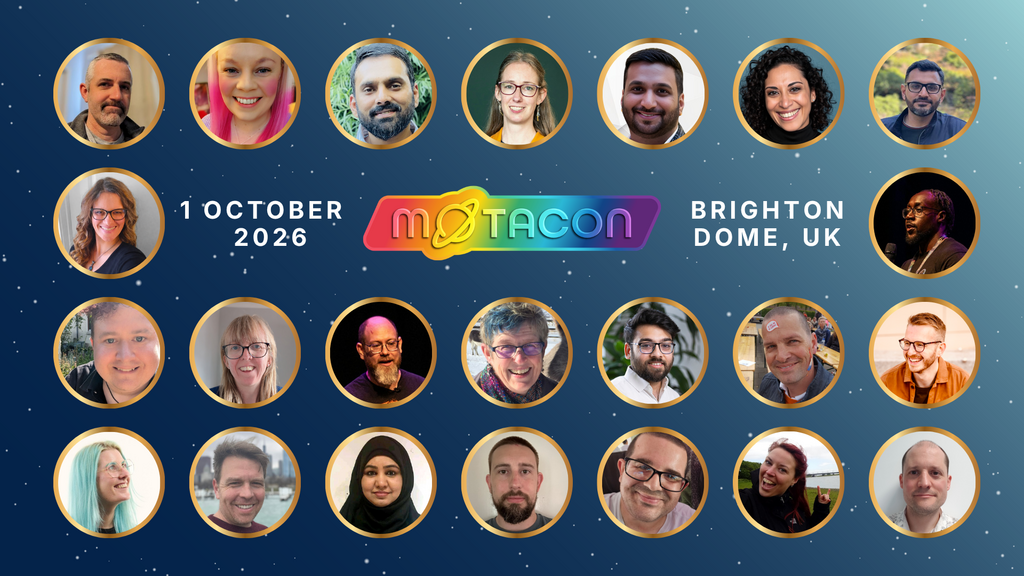
Thu, 1 Oct
A tech conference to help you navigate the ever-shifting landscape of Quality Engineering, AI, Leadership, Product, Accessibility and Security.

Learn the Modern Testing principles that will help the whole team deliver high quality software
Debrief the week in Quality via a community radio show hosted by Simon Tomes and members of the community
