

Total quality management (TQM) is an organization-wide effort to "install and make a permanent climate where employees continuously improve their ability to provide on-demand products and services that customers will find of particular value."[1]
Total Quality Management (TQM) emphasizes that all departments, not just production (such as sales, marketing, accounting, finance, engineering, and design), are responsible for improving their operations. Management, in this context, highlights the obligation of executives to actively oversee quality through adequate funding, training, staffing, and goal setting.
Although there isn't a universally agreed-upon methodology, TQM initiatives typically leverage established tools and techniques from quality control. TQM gained significant prominence in the late 1980s and early 1990s before being largely superseded by other quality management frameworks like ISO 9000, Lean manufacturing, and Six Sigma.








An exploration of test artefacts in relation to information, knowledge and product maintenance.

A manual software testing technique that focuses on repeatedly and intensively testing a certain section/module/feature of an application to ensure to ensure its robustness and reliability.





Judy Mosely mentioned on TWiT how she loves the community stars.
Others chimed in giving our Community Stars (algorithm) much love.
I think it was Mariem who said that she gets a notification...




Unpack quality coaching, job titles, happy paths, and pull request templates in an episode full of candid chat and personal stories

There are countless ways to show up and contribute. Which one will you try today?
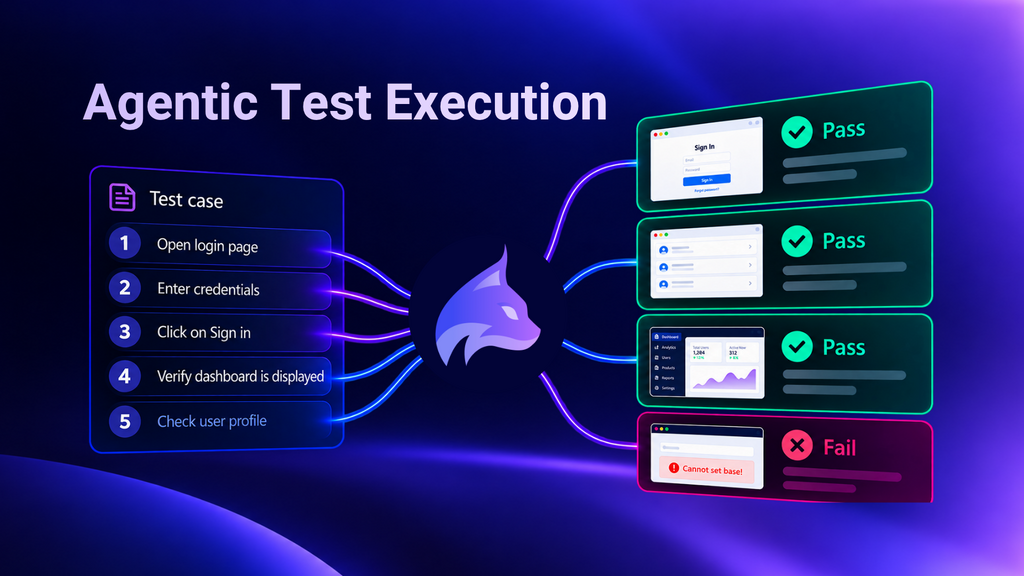
See how Lynqa runs your existing tests as written, captures step-by-step evidence, without code or no-code.
Take this 7-question assessment to see where your QA team stands and get a plan for what to automate next.

Cases, runs, evidence, requirements, and releases in one AI-powered platform for authoring, execution, and automation.
