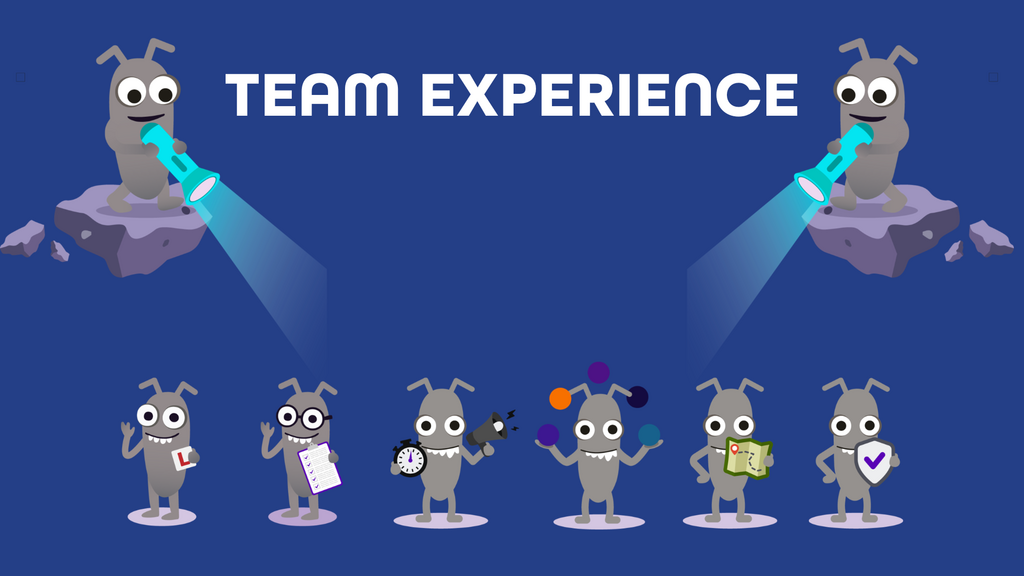
TeamEx is basically the collective health, morale or "vibe" of how a team works together. Think of it as like DevEx (Developer Experience), but instead of just focusing on coders, it’s about the whole team. It’s the social and organisational scaffolding that makes working together feel human, reliable, and, dare I say, actually enjoyable.
You know a team has good 'TeamEx' when you see:
You know a team has good 'TeamEx' when you see:
- Psychological Safety: Open communication means people aren't afraid to say "I don't know" or "I’ve made a mess of this."
- Trust and Collaboration: No silos, no "us vs. them". Just people solving problems and listening to each other's ideas and suggestions without judgment.
- Failures as Lessons: When something breaks, the first question isn't "Who did this?" but "What can we learn?"
- Feedback as Routine: It’s not a scary annual event; it’s just part of the daily conversation.
TeamEx matters because it supports turning quality from a task into a habit. You can have the best test automation in the world, but if the team doesn't feel safe or empowered to speak up about a risk, that technical work is wasted.
When TeamEx is high, testing throughout the SDLC and continuous improvement become part of the team's DNA rather than something tacked on at the end. It’s the difference between a team that’s constantly firefighting with short-term fixes and a team that consistently builds stuff that lasts.
It’s not just about individual metrics or how fast one person can work. It’s about how quickly the group recovers from problems, how they make collective decisions, and whether everyone feels engaged, valued, seen and heard.