Explore all our content
Dive into our back catalogue of content. With over 2000 pieces of content to digest, there will definitely be some content of interest to you.
Searching...


I had a gig on Saturday with my band Jazz Division in a gorgeous setting in Norfolk supporting The Brain Tumour Charity and Mind. Somethi...
Celebrating my 8 year work anniversary with another link to QE!
(www.linkedin.com)
29 Jun
OKF v0.1: Google's New Standard That Makes Agent Memory Testable
(www.youtube.com)
29 Jun
Evaluations Are the Real Codebase - part of The Phoenix Architecture series
(aicoding.leaflet.pub)
27 Jun
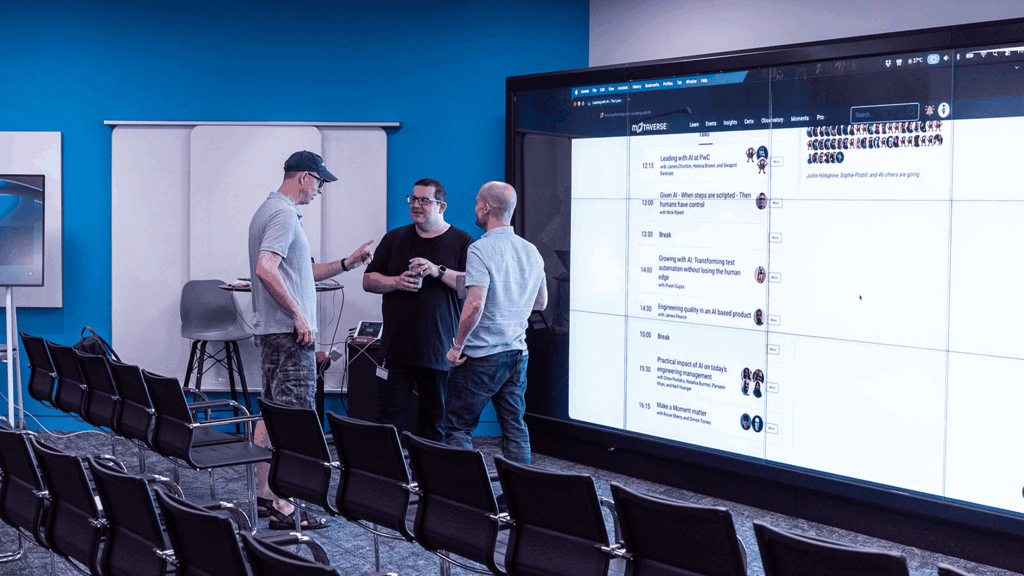


A few shots from our recent Leading With AI event in London at PWC offices.




Great pics captured by Ollie
WCAG 3.0 Will Create a Governance Problem Most Organizations Aren't Ready For
(nicolas-steenhout.com)
26 Jun




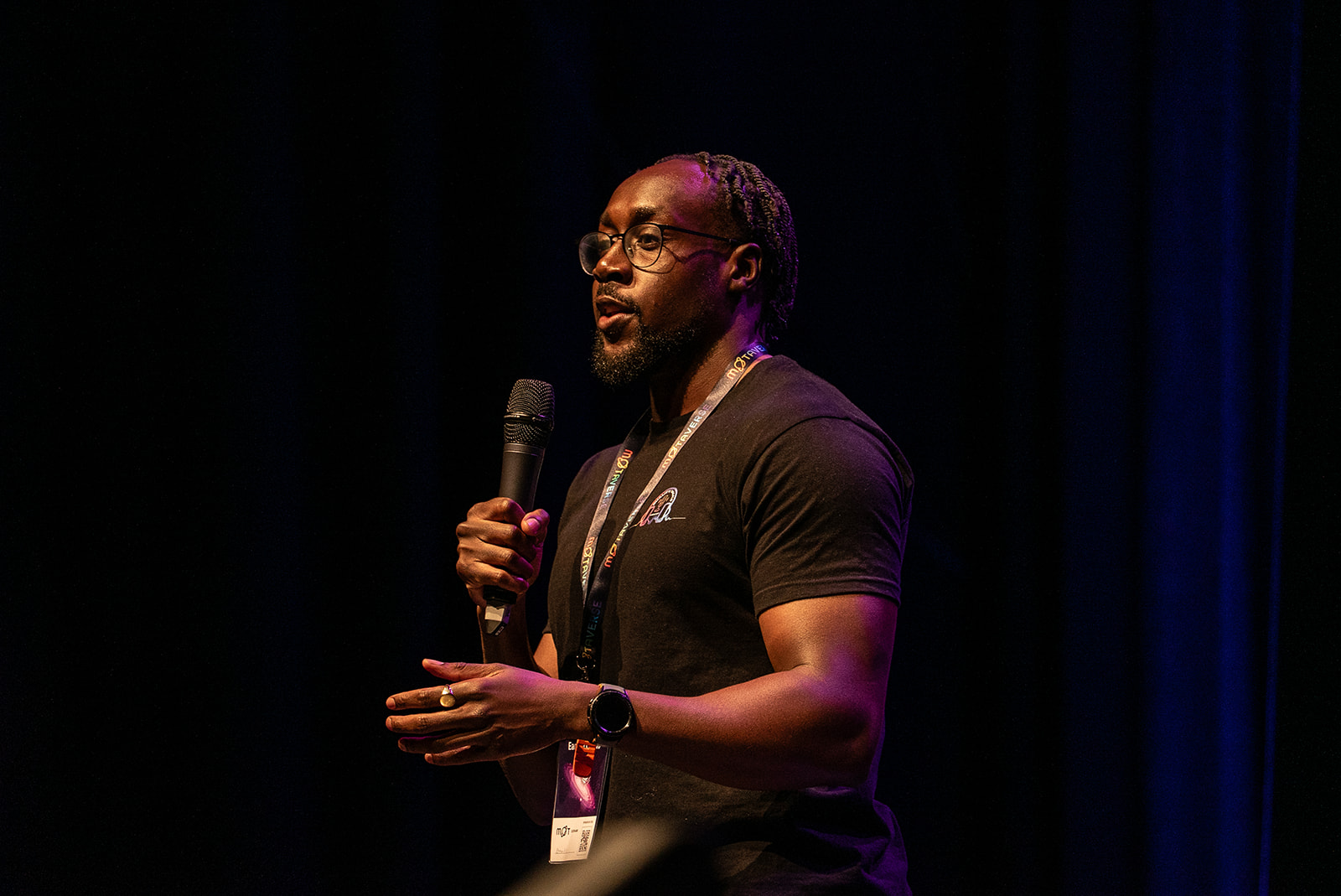


In this week's episode of This Week in Quality, we talked about grief. Grief may be a strange topic to talk about in technology, but I th...
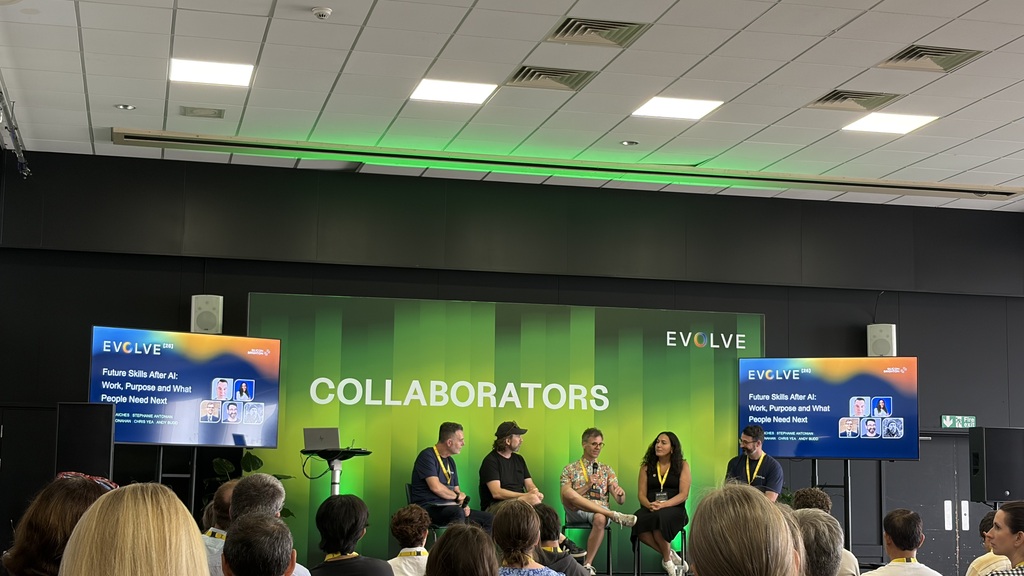
I popped into Evolve, a local Brighton conference today. One session was on skills for an AI world. It touched upon employment, job hunti...
A thoughtful, vulnerable episode about grief, identity, AI, writing, and the emotional cost of trying to influence quality in organisations that don’t always listen.
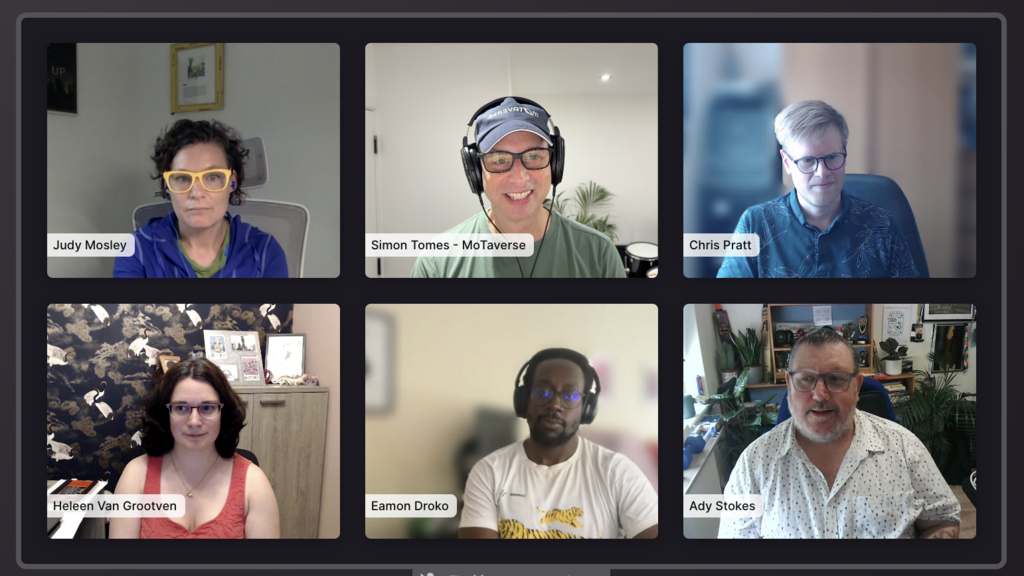

This is the first time we've had six people with cameras on on the TWiQ stage. Woop! Woop! 🎉Good humans being open and honest about thing...




I visited Anjum in Durham on my way home from a workshop at work's Newcastle office. It was great to catch up!



Google has shared a short whitepaper, only 51 pages long, on the use of AI in software development.It is very well written, with almost n...
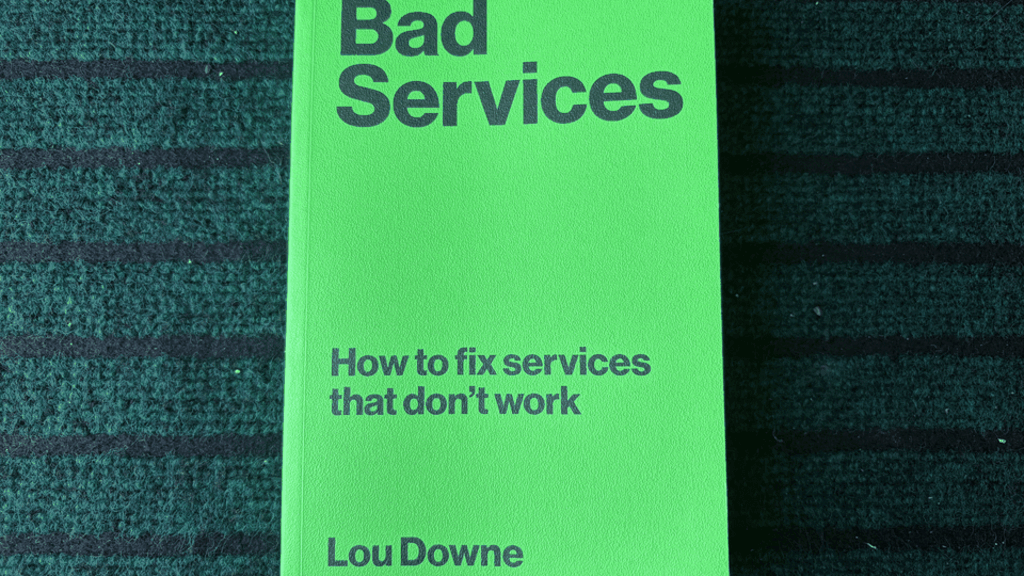
I stumbled upon the book Bad Services by Lou Downe and I couldn't resist. As quality people, don't we love to read about the bad thi...
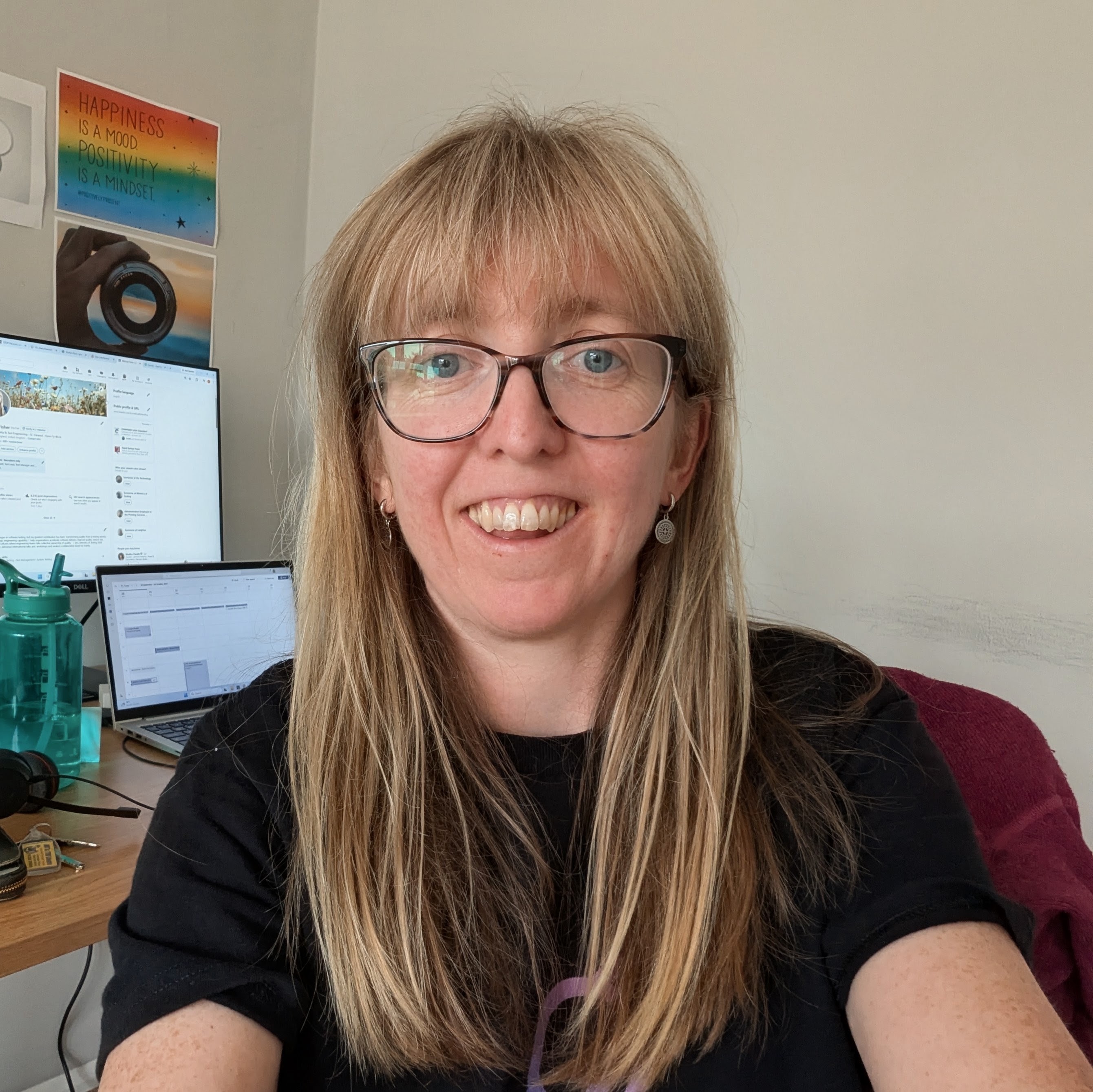

During a Software Testing Live with Ben Dowen and Melissa Fisher, I was reminded of a Club post from 2017. I set a little challenge ...
What Is Shift-Left Testing? And Why Most Teams Do It Wrong
(www.parasoft.com)
26 Jun
BearQ continuously tests your app, reducing test maintenance and uncovering gaps scripted tests can miss.
Explore MoT
Complex workflows, flaky tests, fragmented tools, and AI-driven pressure are making it harder for QA teams to keep up.
Boost your career in software testing with the MoT Software Testing Essentials Certificate. Learn essential skills, from basic testing techniques to advanced risk analysis, crafted by industry experts.
Debrief the week in Quality via a community radio show hosted by Simon Tomes and members of the community
