Jesper Ottosen

Jesper Ottosen
Principal Consultant
him/his
Jesper has been around the MoT community from the start, frequently passing by the Club and Slack. For more than 10 years he has provided 300+ blogposts on all things testing. 🌻
🎂 MoTaBirthday | December 4, 2014
Open To
Teach
Speak
Mentor
Podcasting
Write
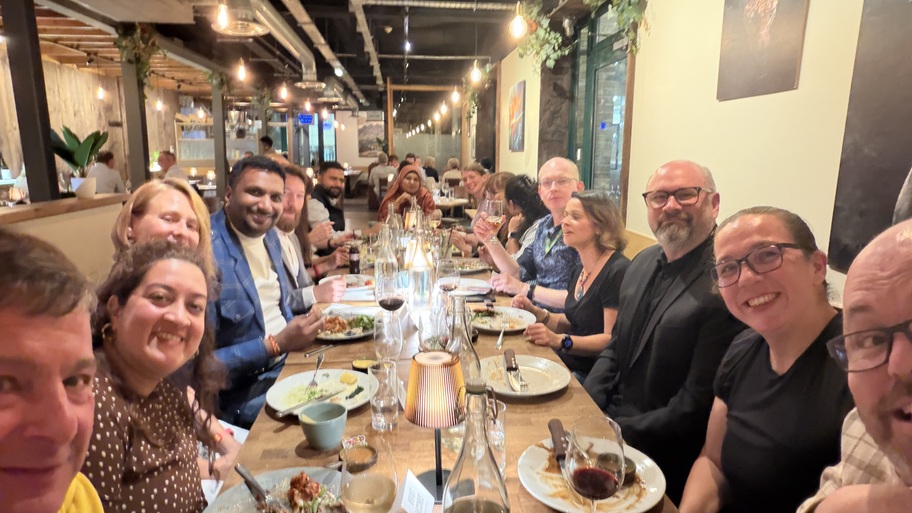
Our first Leaders Dinner, the London Edition. Sponsored by the wonderful TestMu AI
4 Oct
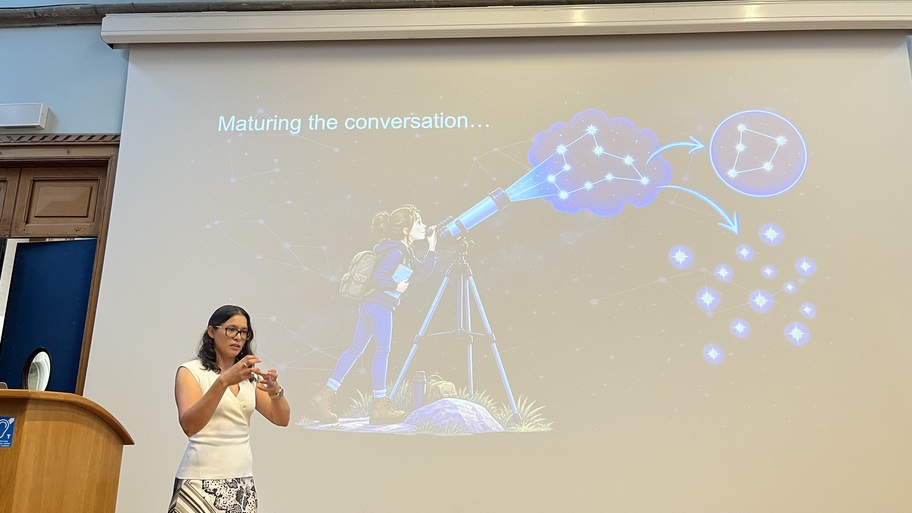
Part of maturing the conversation is to fix the conversation.Megan shared the profound quote to: FIX the conversation before fixing the testing activities.Be careful though, it can cause organizati...
3 Oct

spending a day doing laundry and resting.So happy to have caught up with friends and getting even more new. To sit down with people. Properly talk. Catch up on life, get to know them. And getting a...
3 Oct

So with MotaCon you are all inspired and informed
The relevant industry Information about how to solve challenges
The Opportunity to solve the challenge
The growth Mindset to embrace challeng...
1 Oct

Grab the slides and resources from all the sessions at Leading With Quality 2026
6 Oct

How is friction helping and not helping software engineering and testing teams?
20 Feb

Explore ways to use imagination to move past bottlenecks and grow new quality leaders
4 Dec

Shift your mindset from documenting testing to influencing quality with meaningful conversations.
7 Nov
Ilities
The 'ilities is the informal name for all the system quality attributes, that usually end in 'ility.Accessability, scalability, functionality, reliability....For a full list see the reference
Nemawashi
Slowly and indirectly building support and alignment.A way to approach to delivering value more reliably and sustainably look like https://www.ministryoftesting.com/moments/what-does-delivering-value-more-reliably-and-sustainably-look-like From Wikipedia:Nemawashi (根回し) is an informal Japanese business process of laying the foundation for some proposed change or project by talking to the people concerned and gathering support and feedback before a formal announcement.
Injection Flaws
Injections are about maliciously putting things where they’re not supposed to go. Originally, for input fields, like text boxes or forms, where someone could inject malicious code. One of the most famous examples is from the classic XKCD comic “Exploits of a Mom”, where a child is registered at school with a name that includes a bit of code, and it accidentally causes the school’s database to break. But it's not just about forms anymore. Prompt injections are similar in nature. Anywhere a user can put stuff is prone to injection flaws.Tip: Always validate and sanitize anything users can send.
Supply Chain Attack
Your web app will depend on libraries and third-party components outside your control. For example, Social media (SoMe) trackers and CSS or similar plugins. Over time, they might be insecure or outdated. This is known as a supply chain attack, when something you already trust becomes the way attackers get in. Tip: Keep a list of them and the last working version on your end. Examples: One famous example was log4j and another was SolarWinds.
Comments
(22)
Lots of Learning at Leading with quality at Brighton
@Komal and @neil for next year
Beyond Testing: Reflections from Leading With Quality & MoTaCon in Brighton
"Leadership, culture, and team enablement are central to modern test engineering" 🤩
solving the problem of clicking a problem
The rope is not the problem when climbing a mountain
Dyslexia Blog
🌻
New Job, New Chapter: Stepping Into Healthcare QA! 🩺
My experience is mostly pharma/medicine production, but still heavily regulated. One thing I learned was that in that context "QA" is a whole other profession than we we testing people usually would usually think.
If developers have autonomy, mastery and purpose, what do you need testers for?
(smallsheds.garden)
12 Oct



Not registered for any upcoming events
Thanks for your contribution
Leading With Quality - Slides & Resources
Community Star
about 6 hours ago
Recommend an item for the MoT Observatory
If developers have autonomy, mastery and purpose, what do you need testers for?
Community Star
about 10 hours ago
If developers have autonomy, mastery and purpose, what do you need testers for?
Link
about 10 hours ago
Ceci n'est pas une bug
1st October, 2026 at 19:06. The MoTaCon social is coming to an end and it's time to clear up. I grabbed four canvases, positioned them on the shelf at the far end of the Corn Exchange and marvelled...
Contributor thanking
about 11 hours ago
