Event-driven architecture is a way of building systems where actions happen in response to an “event.” An event might be something a user does, something the system detects, or a change in data. For example, button clicks, domain events, timers, database changes, and external inputs, such as receiving API data.
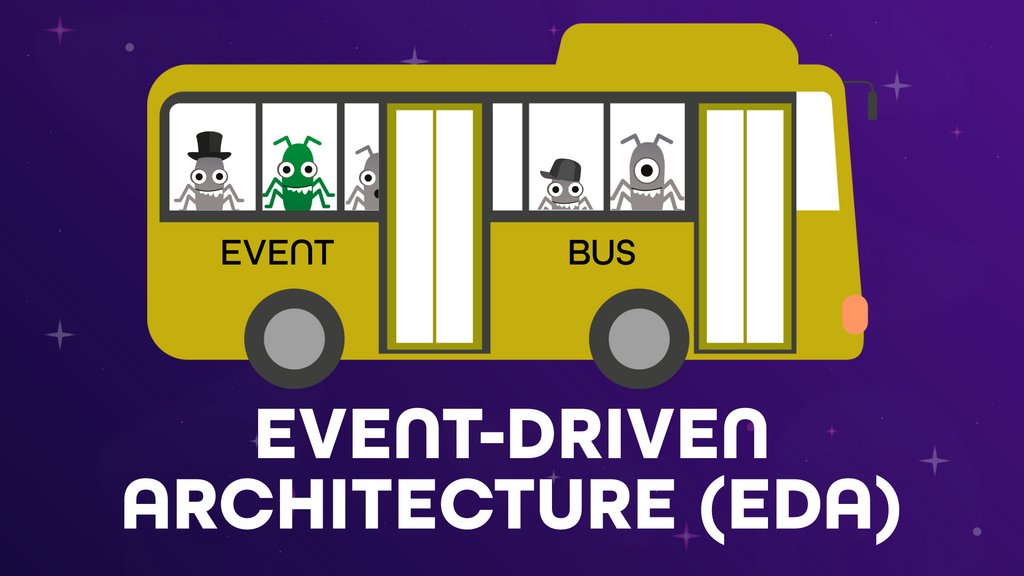
Instead of pushing work around in a strict order, each part of the system listens for the events it cares about and reacts when they occur. You can picture this as an event bus running through the system. Events are published to the bus, and different parts of the system listen and react independently. This creates loose coupling, which makes systems more flexible and easier to change, but it also introduces new testing challenges. You need to think about timing, ordering, retries, and how the system behaves when events appear late or out of sequence. Understanding the event flow—what fires, what listens, and what depends on what—helps you uncover risks that would be invisible in more traditional, step-by-step architectures.
Instead of pushing work around in a strict order, each part of the system listens for the events it cares about and reacts when they occur. You can picture this as an event bus running through the system. Events are published to the bus, and different parts of the system listen and react independently. This creates loose coupling, which makes systems more flexible and easier to change, but it also introduces new testing challenges. You need to think about timing, ordering, retries, and how the system behaves when events appear late or out of sequence. Understanding the event flow—what fires, what listens, and what depends on what—helps you uncover risks that would be invisible in more traditional, step-by-step architectures.