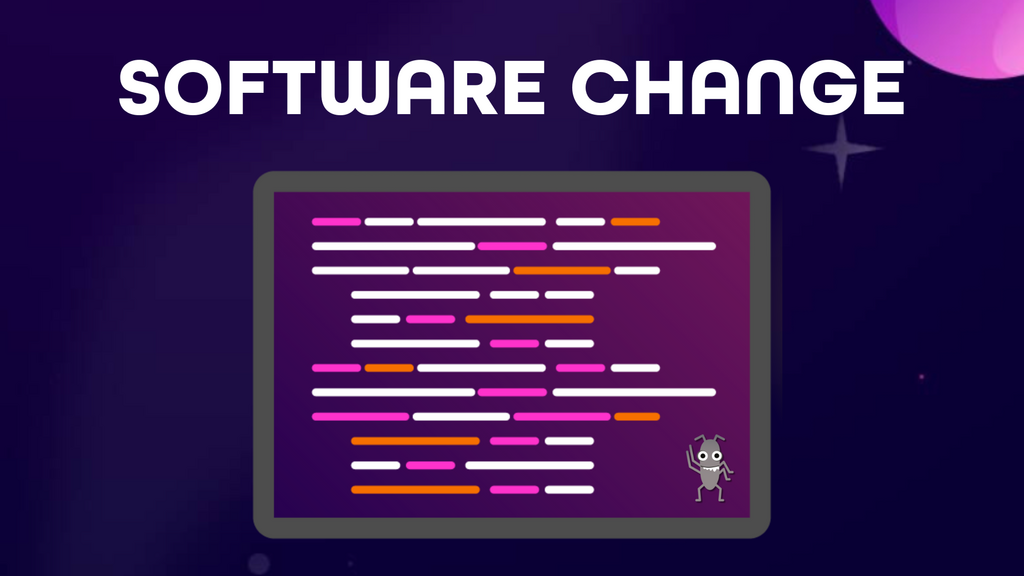
This is the code-and-release side. It includes updates to features, bug fixes, configuration changes, infrastructure tweaks, deployments, and anything that alters how the product behaves. Managing these changes well means making risks visible, validating assumptions, testing early, and ensuring releases move through a predictable, safe path into production. In many places, this is done by tickets and committee discussions, informed by information and risk analysis. The greater the risk in industries like finance, medicine, and aviation, the more likely the process will be highly formal.
When done well, it should be seen as a way to bring clarity and shared understanding, so teams can move faster with fewer surprises. If done poorly, it can be overly complicated, cause delays and frustration, and add costs. When we handle change intentionally and well, whether it’s how we work or what we ship, we build trust, reduce risk, and make quality a natural part of our delivery.
When done well, it should be seen as a way to bring clarity and shared understanding, so teams can move faster with fewer surprises. If done poorly, it can be overly complicated, cause delays and frustration, and add costs. When we handle change intentionally and well, whether it’s how we work or what we ship, we build trust, reduce risk, and make quality a natural part of our delivery.