Explore all our content
Dive into our back catalogue of content. With over 2000 pieces of content to digest, there will definitely be some content of interest to you.
Searching...
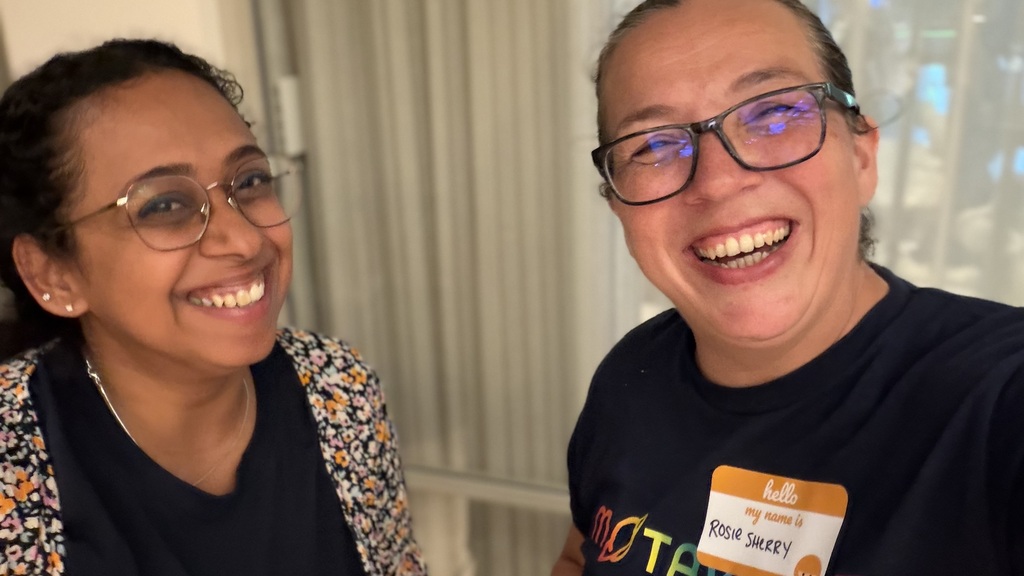
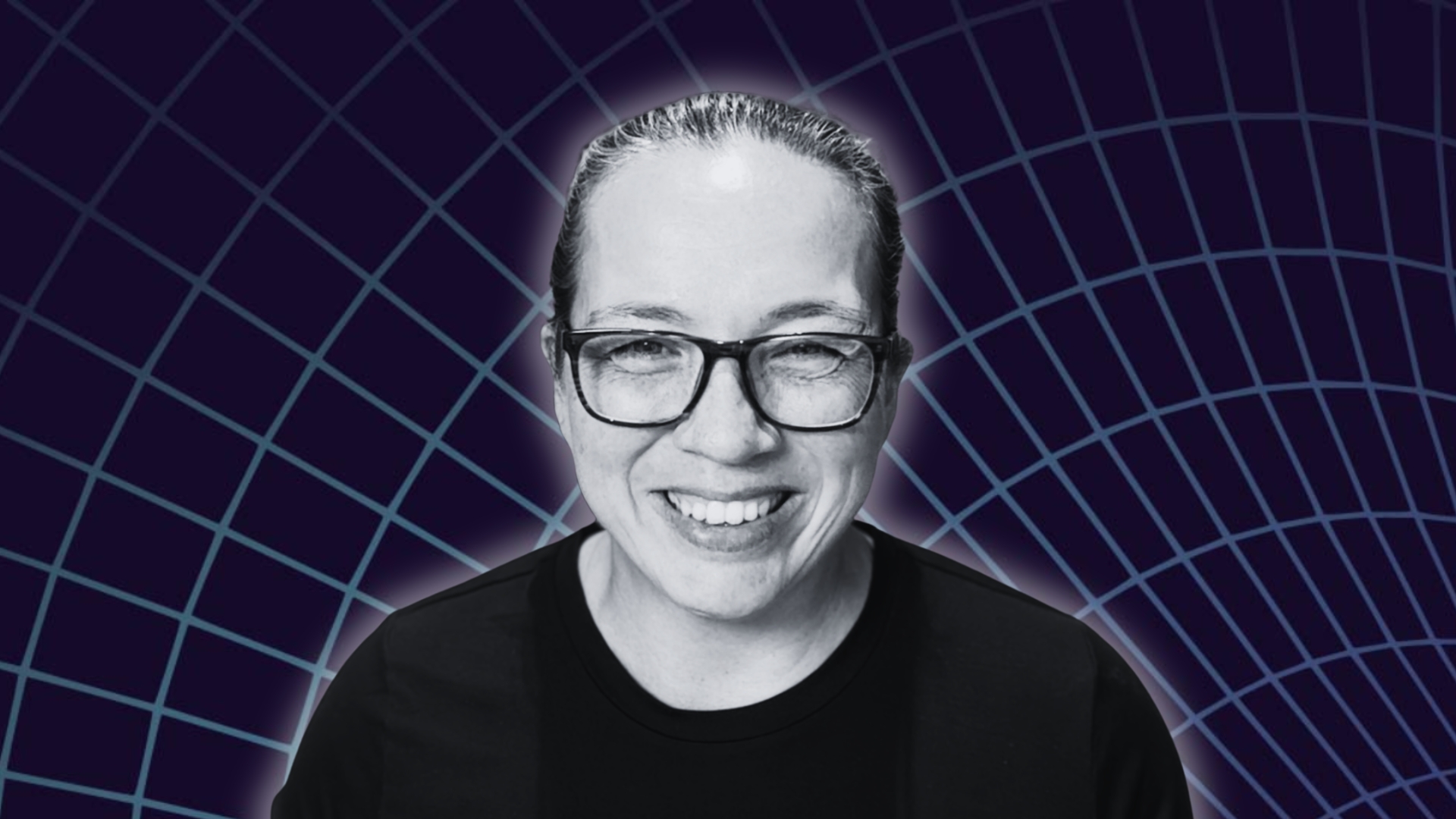



It was very cool to meet Poornima yesterday at MoT London.Love her style and energy!And many thanks to Scale Factory for sponsoring MoT L...



Great spread and great talks at MoT London :)



A pessimist, optimist and realist are talking about writing. Earlier they discussed writing about a prediction. And they all wondered whe...
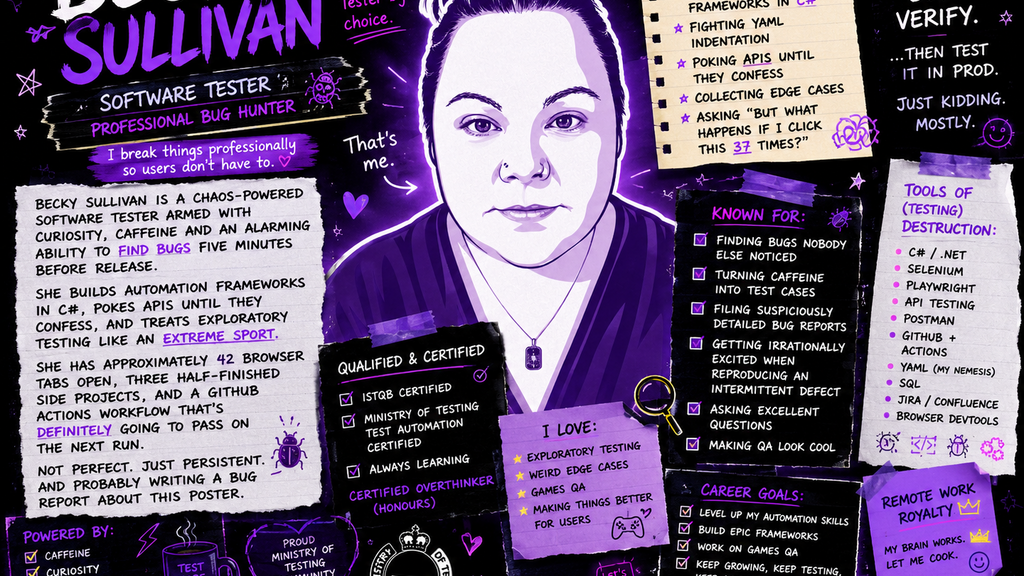


I have been stalking around the MoT website and have seen some unhinged bios, so of course, I had to give it a go.The main prompt was:Hey...
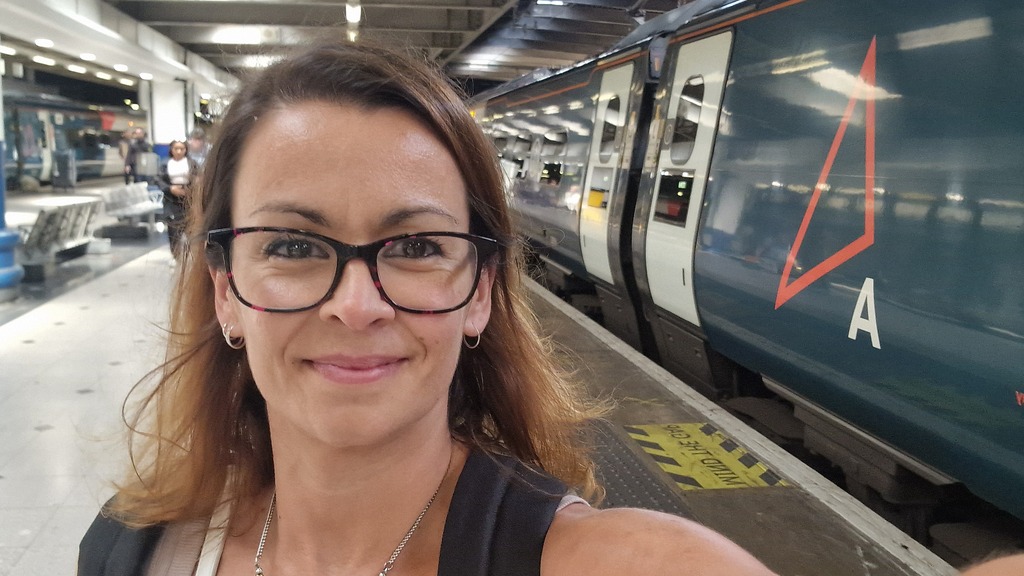

I've arrived in London and can't wait to see 100+ people at tonight's MoT London!!
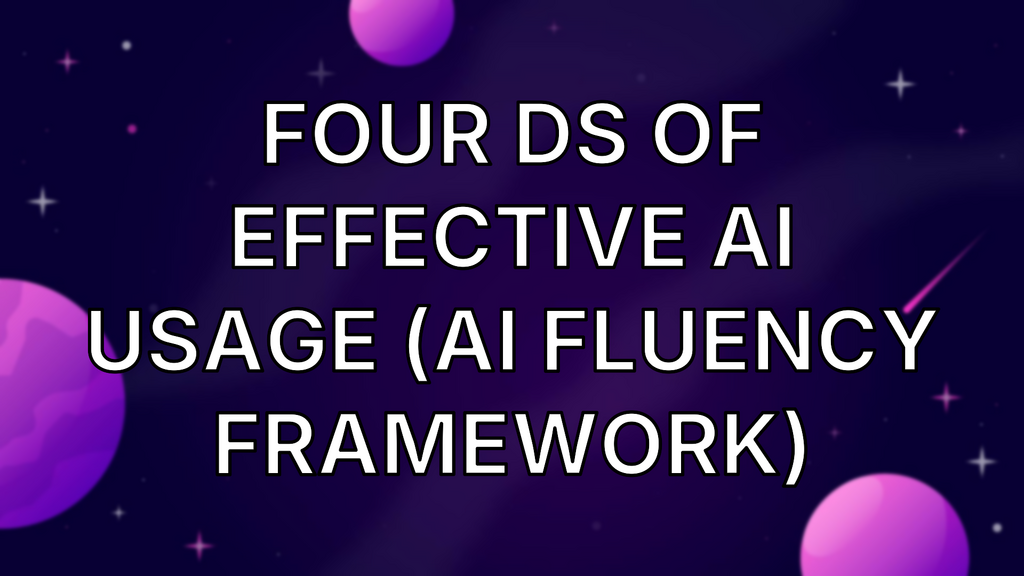


If you, fellow tester, work with AI, remember the four 4 Ds:To delegate tasks for AI, we need to know about the capabilities and limitati...
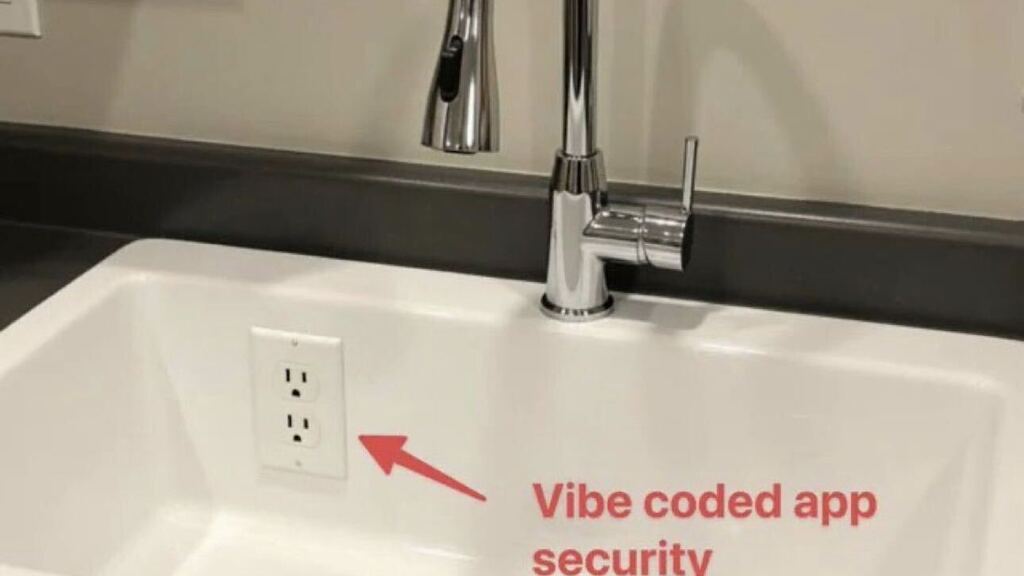

Hat tip to Ruslan for sharing this.
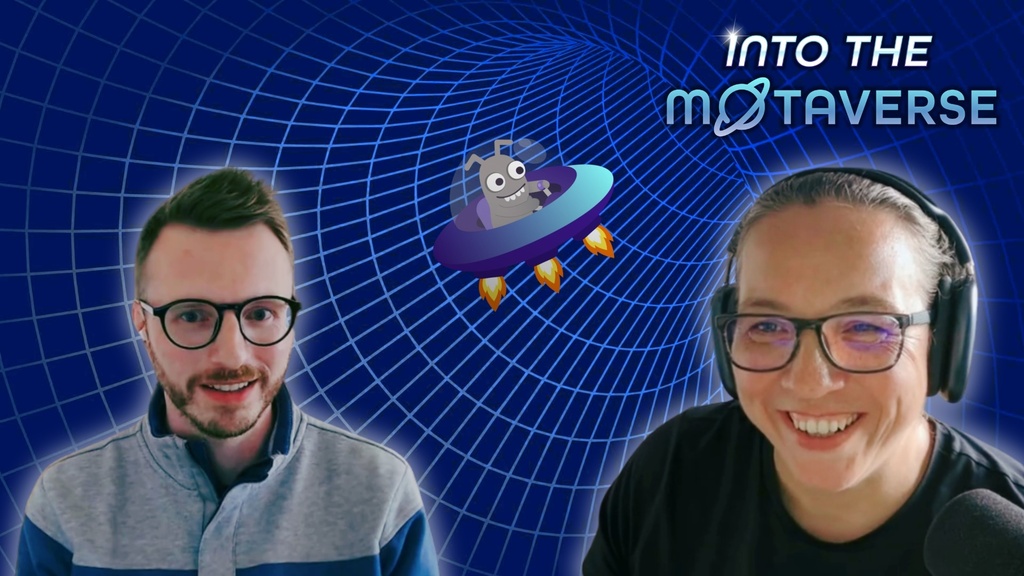

Adam Davis explains why observability, not prompt engineering, is the real challenge in AI-assisted projects, using his phone-display art project Pixelmesh as a live test bed.
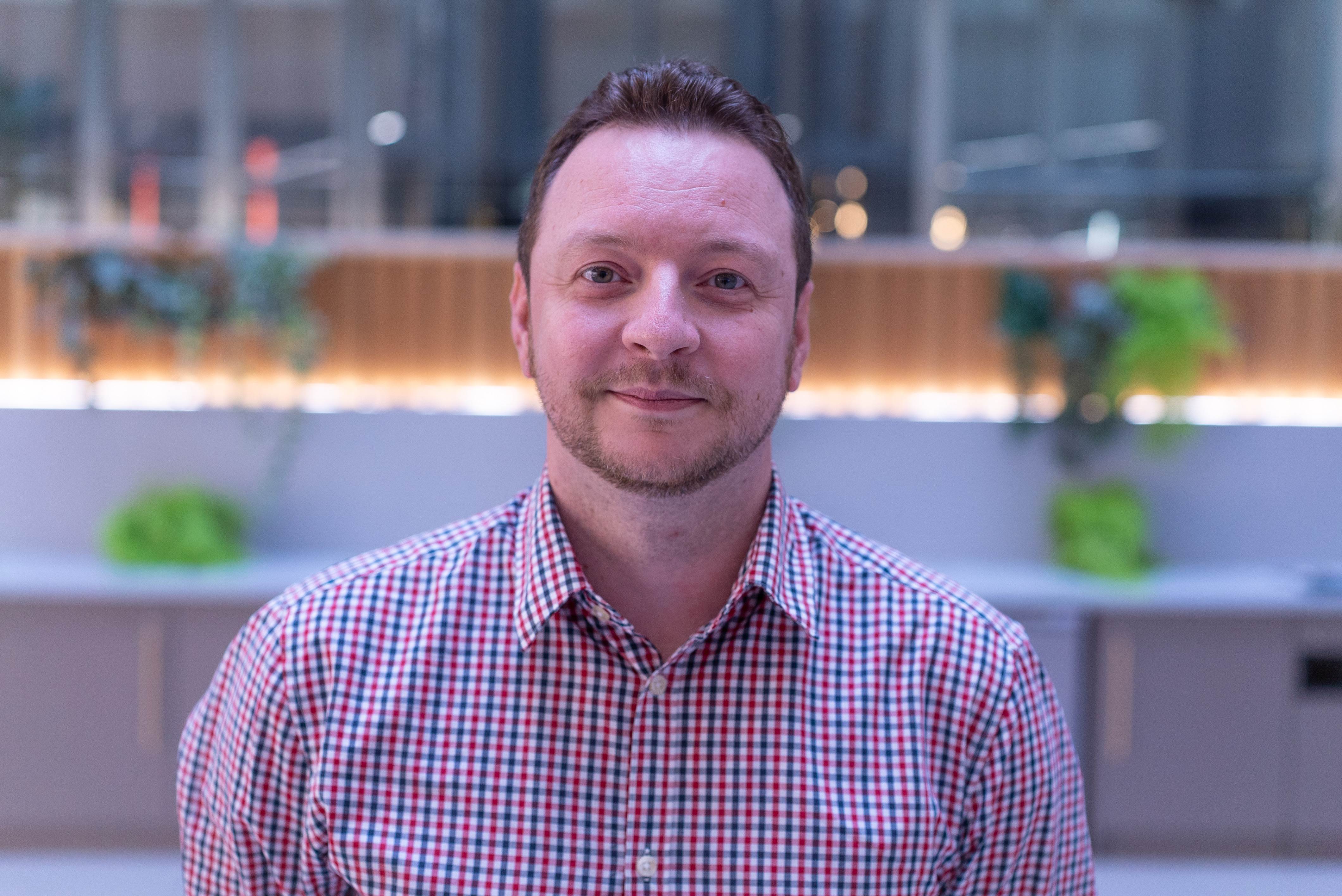
The whole team can interactively explore the vulnerabilities worth probing. Before an attacker does.



Where would your company (or country) be if all SaaS and Cloud services where to be turned off for political reasons. Or switches off if ...

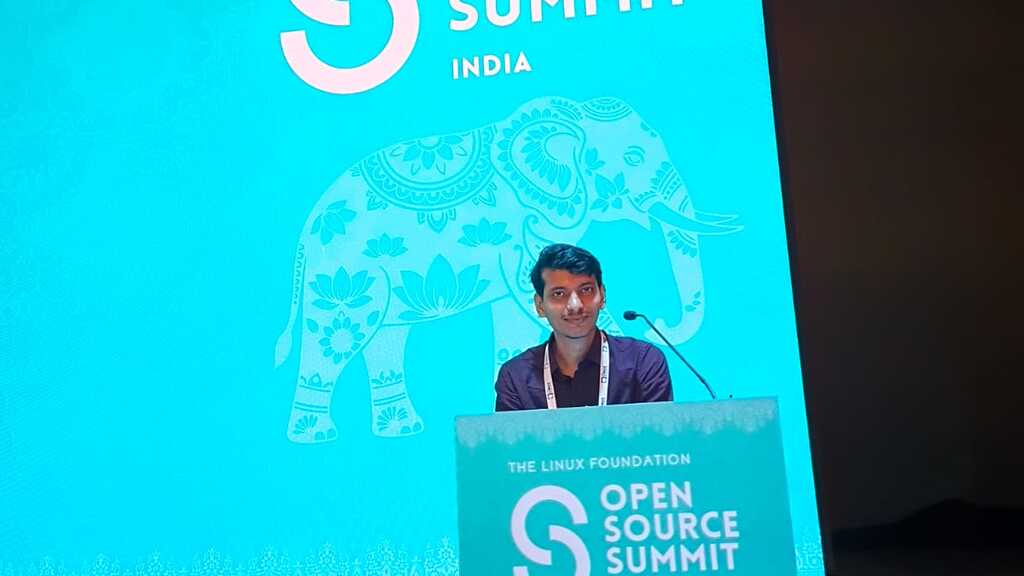


6 months ago, when 2026 started, I had a goal of speaking on a public platform, even though I speak at Taqelah, but it was a lightning ta...
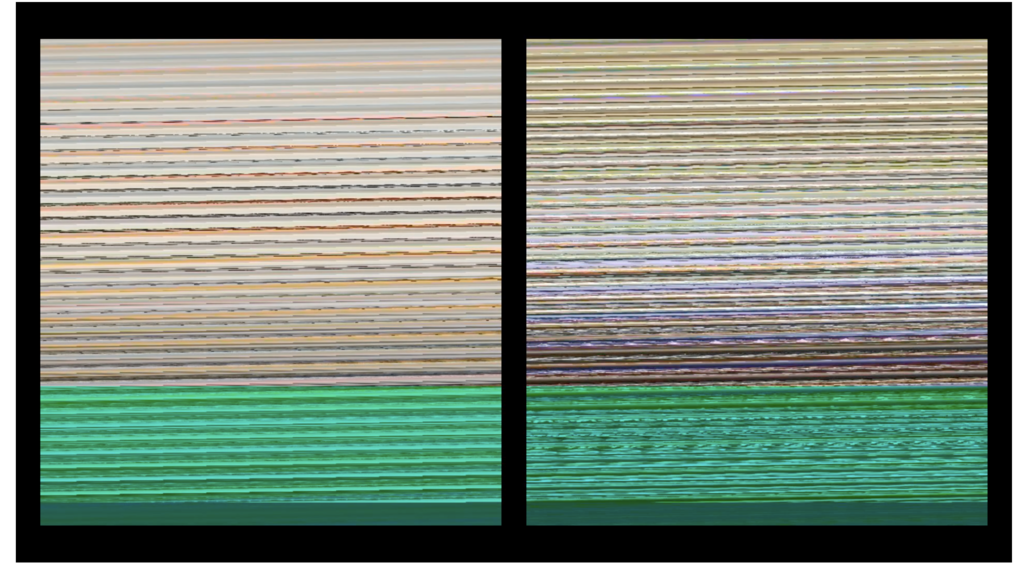

You've just said goodbye to one of your favourite testing legends off the back of wonderful and insightful Call for Insights. You've...
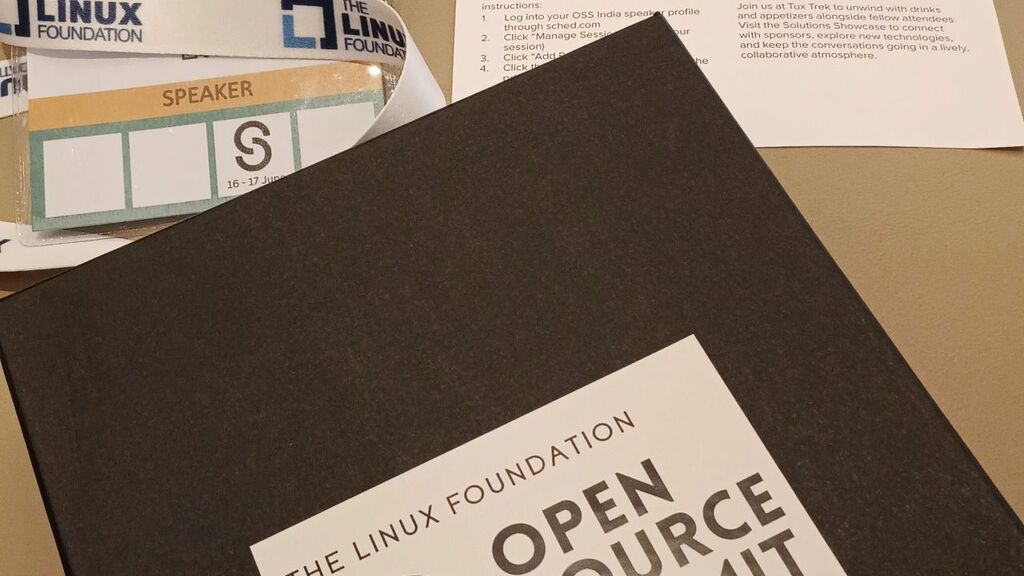
The Open Source Summit, scheduled for 16–17 June, kicked off today, and this was the first thing I received as a speaker at the event.Loo...

The whole team can interactively explore the numbers worth testing



What would change if the work you are proudest of was actually seen?



Identify the subtle signs of "implementation-driven design" and discover practical strategies for testers and tech leads to actively defend and restore user-centric product intent.




Team of 5 or fewer? TestRail now starts at $22/user. Test case management, defect integrations, reporting, and more.
Explore MoT
Complex workflows, flaky tests, fragmented tools, and AI-driven pressure are making it harder for QA teams to keep up.
Boost your career in software testing with the MoT Software Testing Essentials Certificate. Learn essential skills, from basic testing techniques to advanced risk analysis, crafted by industry experts.

Debrief the week in Quality via a community radio show hosted by Simon Tomes and members of the community
