Nataliia Burmei

Nataliia Burmei
Lead Quality Engineer
I am Nat, Lead Quality Engineer who loves travelling, running, quality coffee with a book on the side. Totally unbiased, I love quality.
🎂 MoTaBirthday | May 9, 2023
Open To
Write
Podcasting
Speak
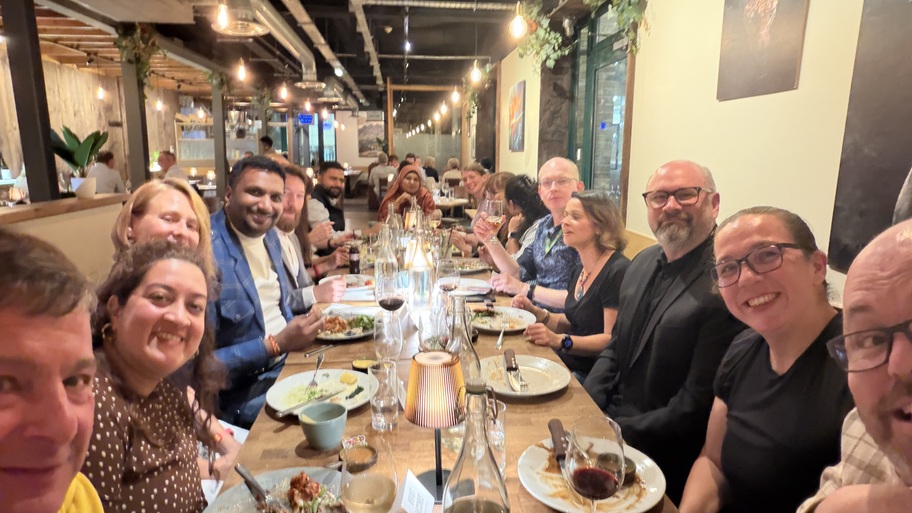
Our first Leaders Dinner, the London Edition. Sponsored by the wonderful TestMu AI
4 Oct

On the train bright and early travelling across country for Leading with Quality day 🥳
30 Sep
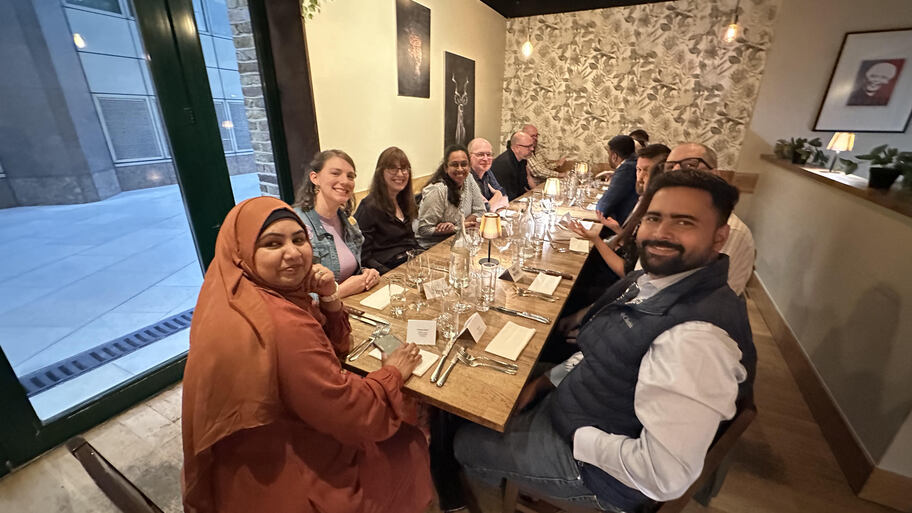
Thanks to TestMu and Diana for organising this lovely bunch. Thoroughly enjoyed and now looking forward to what comes next in Birmingham!
29 Sep

Was such great start of the week with MotaCon festival week in London meeting few leaders from the community. A lot of great conversations around AI, leadership and quality engineering with de...
28 Sep

How workflow thinking takes your AI use beyond test cases and bug reports
3 Aug

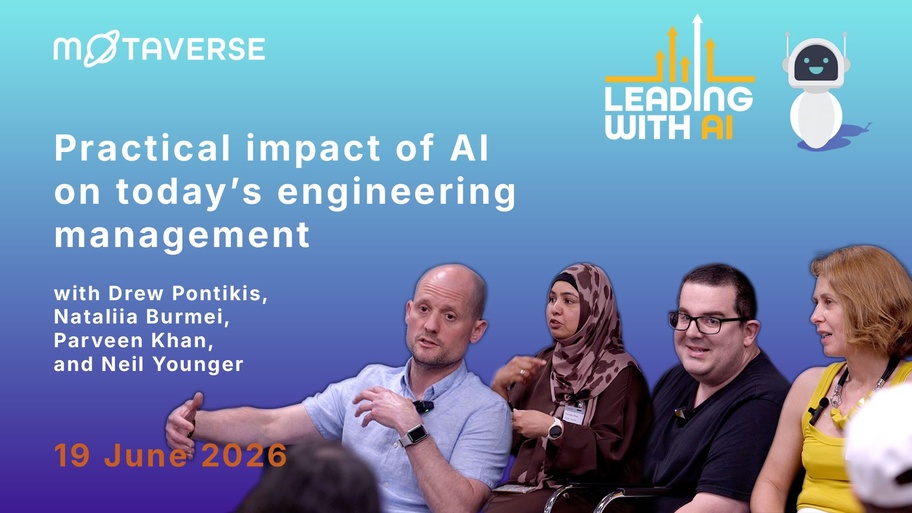
A panel discussion exploring how AI is really affecting engineering teams today, from tool adoption and team confidence to testing, leadership, and the risk of over-relying on automation.
10 Jul

Stale Documentation
Documentation that was accurate at the time of writing but has since become outdated due to changes in the system, codebase, or process it describes. In testing, stale documentation is a significant risk because teams may test against expectations that no longer reflect actual system behaviour. Documentation stored in tools like Confluence is particularly vulnerable to going stale when it is disconnected from the development workflow and not actively maintained alongside code changes. The problem is often not that documentation was never written, but that there is no mechanism to keep it current.
Self-Serve Testing
An approach to quality in which teams without dedicated quality engineers are equipped with the knowledge, templates, and tooling to make sound testing decisions independently. Rather than requiring a specialist to be present for every significant project or incident, self-serve testing relies on well-designed prompts, charter libraries, and structured guidance that carry quality thinking into conversations and contexts where a quality engineer is not physically present. It is particularly relevant in organisations where quality engineers are significantly outnumbered by delivery teams.
Quality Assistance Model
As originally defined by Atlassian, the Quality Assistance Model promotes the ownership of quality and testing by every engineer on the team, regardless of their role. This allows each engineer to develop code, test it, and release it to production without gatekeeping by a quality team or quality engineer.
Then what do testers do? Under the Quality Assistance Model, you use your testing expertise to guide and educate the team, empowering and influencing them to produce high quality software.
Sharing quality and testing responsibilities across the team spreads the testing workload more evenly and gives testers time to:
Build testing infrastructure
Fill gaps in test automation
Explore new tools and techniques
Monitor production performance
Conduct exploratory testing, ensuring sapient investigation of your product that automated tests cannot provide
Support developers on their team, or even on other teams
Comments
(29)
First MoT Chapter to have 4 digit members
Amazing line up. Can't wait to hear from all speakers.
MoTaCon Vibes - People I Met at MoTaCon 2025 — Looking Forward to More in 2026!
Very nice memory Preeti. I’ll see you at MoTaCon soon.
London chapter - AI, Agents and Trailblazers
Was lovely to chat to you Justin. I’ll see you at MoTaCon.
Quality tooling silos
You expanded so well on my thought with practical examples and actions. Thanks for it, I have a complete picture now.
Wow moments in the software testing essentials course
I postponed STEQ and QTEC for too long. Need to increase priority. Thanks for reminder.
Beyond tasks list. Rethinking the role definition in the organisation
(theroundaboutcafe.com)
01 Dec 25
She Codes Quality: Women in Tech Speak Up | Gary Shannon & Nataliia Burmei | Ep.9
(garytshannon.podbean.com)
21 Aug 25



Not registered for any upcoming events
Member joined your Chapter
Member joined TWiQ — This Week in Quality chapter
Community Star
about 13 hours ago
Learner completed your lesson
3.2.0 of MoT Software Quality Engineering Certificate
Community Star
1 day ago
