Simon Tomes

Simon Tomes
Community Lead at MoTaverse
he/him
Hello, I'm Simon. Since 2003 I've had various roles in testing, tech leadership and coaching. I believe in the power of collaboration, creativity and community. 🎓 MoT-STEC qualified. I get real joy working with and supporting our wonderful MoTaverse community.
“Thanks for making me feel so confident about myself.” | “I'm so grateful for all you do in the MoTaverse community, I learn so much as a result!” | “A simple chat with Simon in person absolutely changed everything.” | “Simon is one of the best people that I've ever met to have conversations with. He's so grounded in his way of thinking and articulates his thoughts so well and his feelings and his knowledge about community and everything.”
🎂 MoTaBirthday | October 24, 2016
Open To
Teach
Speak
Mentor
Podcasting
Review Conference Proposals
Write
CV Reviews
Meet at MoTaCon 2027
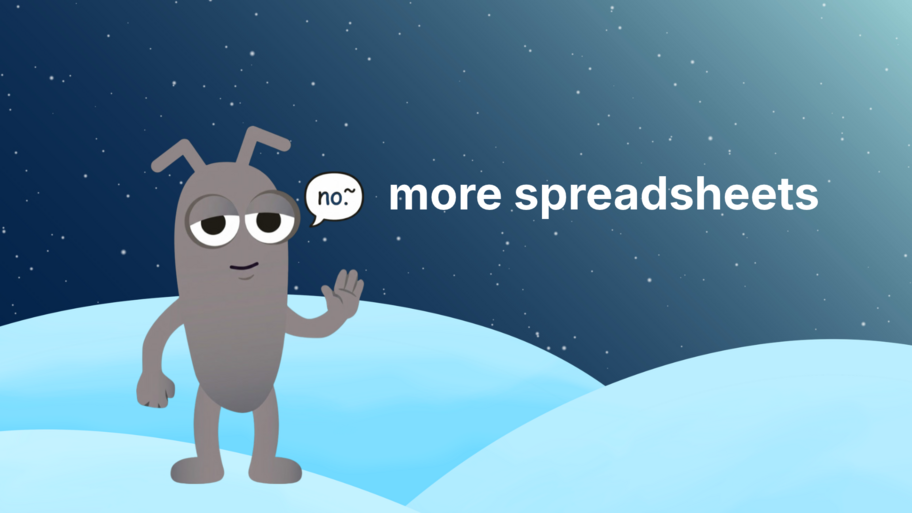
Spreadsheets are great, until they are not. With spreadsheets scattered everywhere, they are where data goes to die.More recently I've been raising a 'red flag' mote to myself whenever I see a spre...
26 Oct
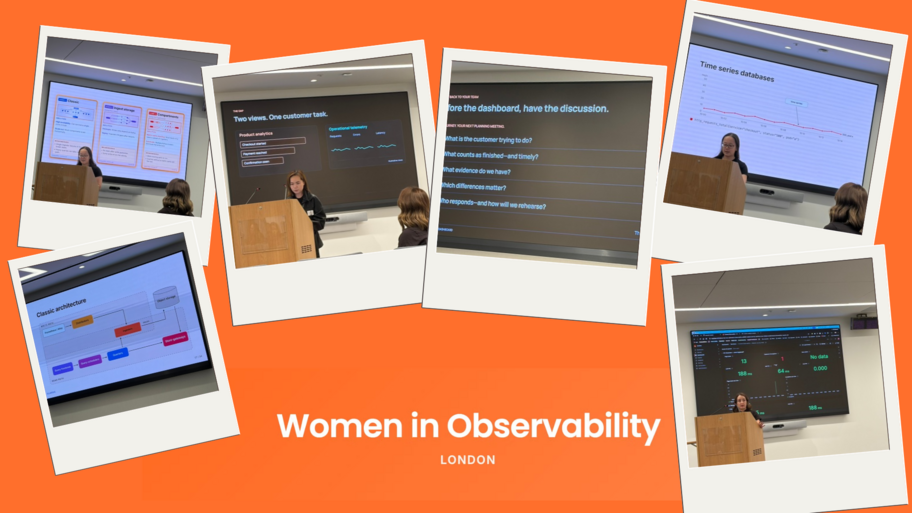
On my wish list, for quite a while, has been to get better at going to other meetup type events, and conferences too, to be honest. I feel like I have the headspace to do so now.Last week Simon Tom...
26 Oct
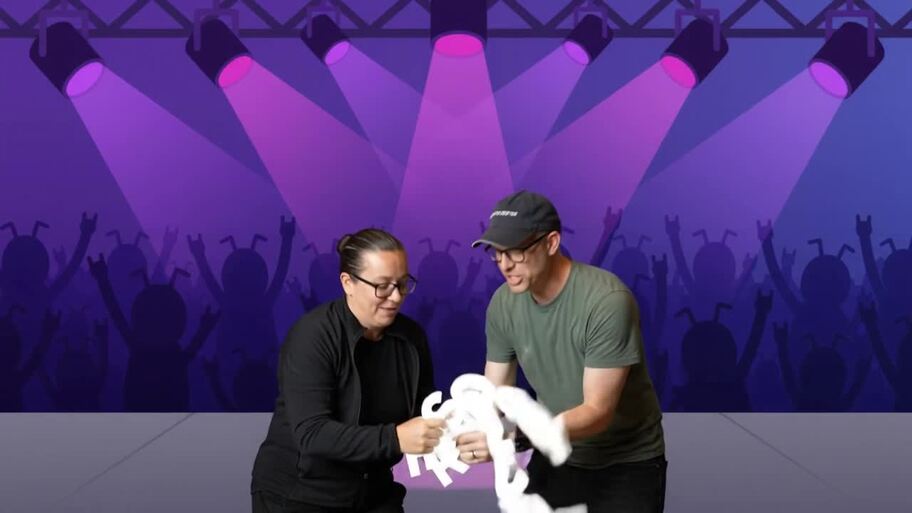
We're pitching the MoTaverse as Community as a Service (Caas).The things we do and offer as part of this community are immensely valuable, yet often go unnoticed. So, we're on a journey to highligh...
26 Oct
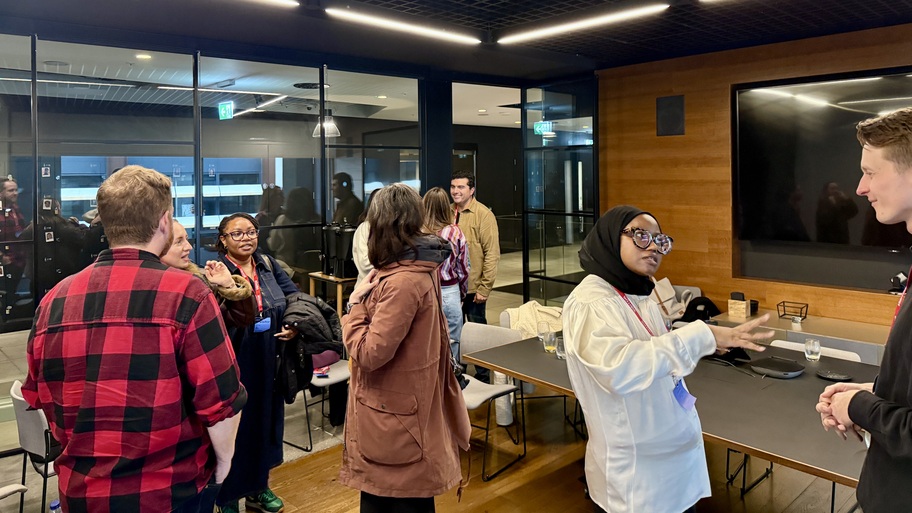
Community Unscripted With Intention (CUWI) is the practice of proactively creating moments for community members to discover more about themselves in realtime and ideally in the same physical space...
23 Oct
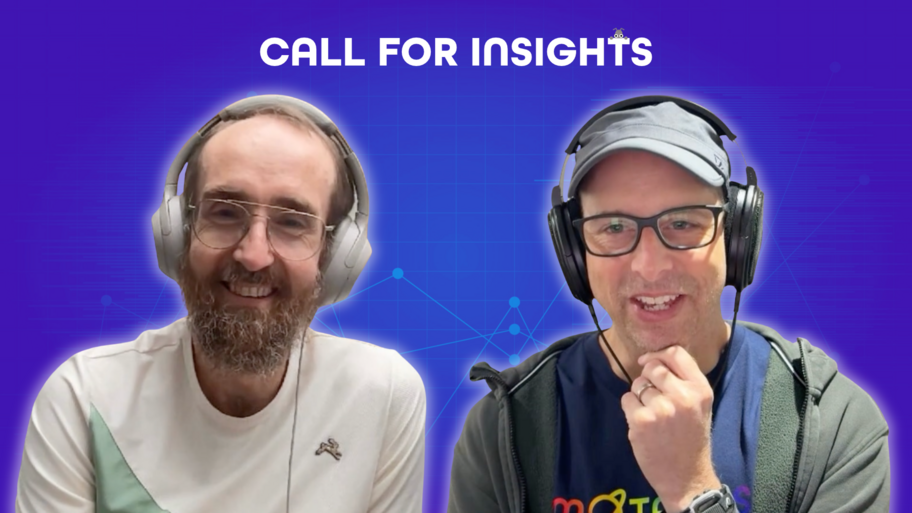
What does your personal AI transformation approach look like?
26 Oct
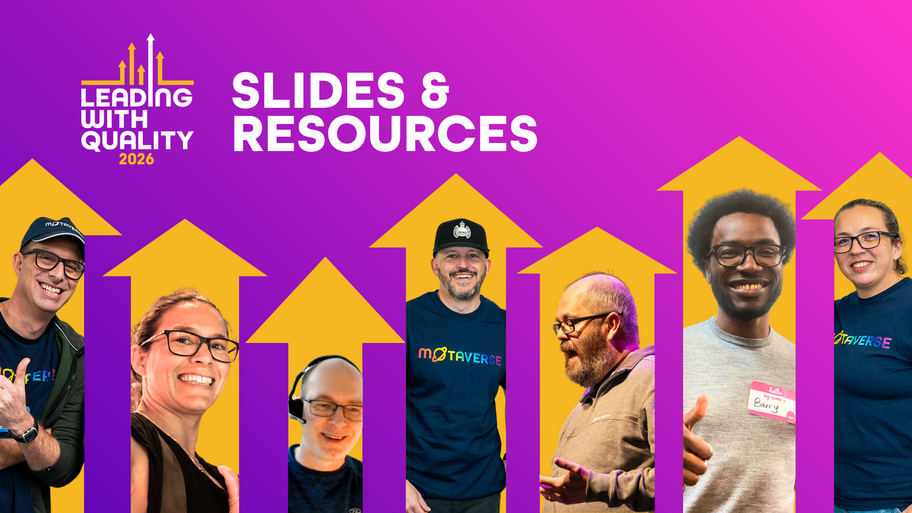
Grab the slides and resources from all the sessions at Leading With Quality 2026
6 Oct
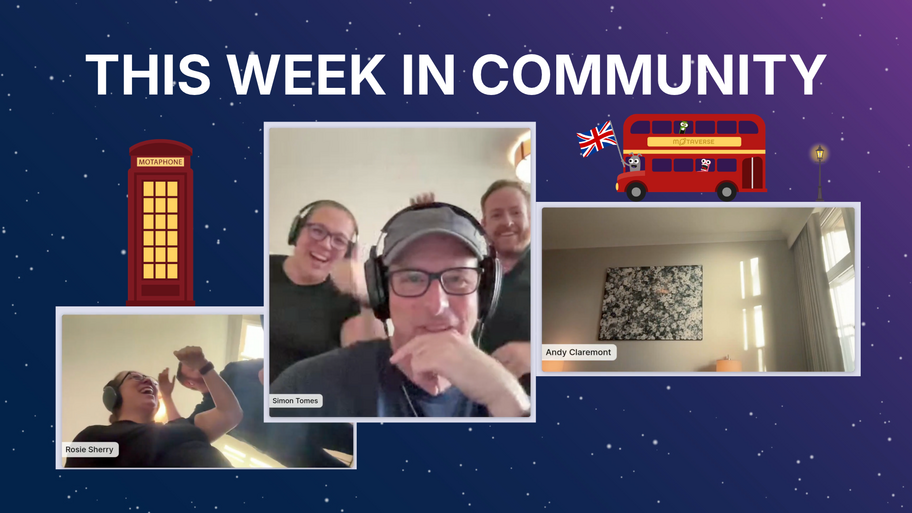
What does it take to guide members through a pivot, soak up the pain of change, and know when to pause community activities or provide an easy off ramp?
22 Oct
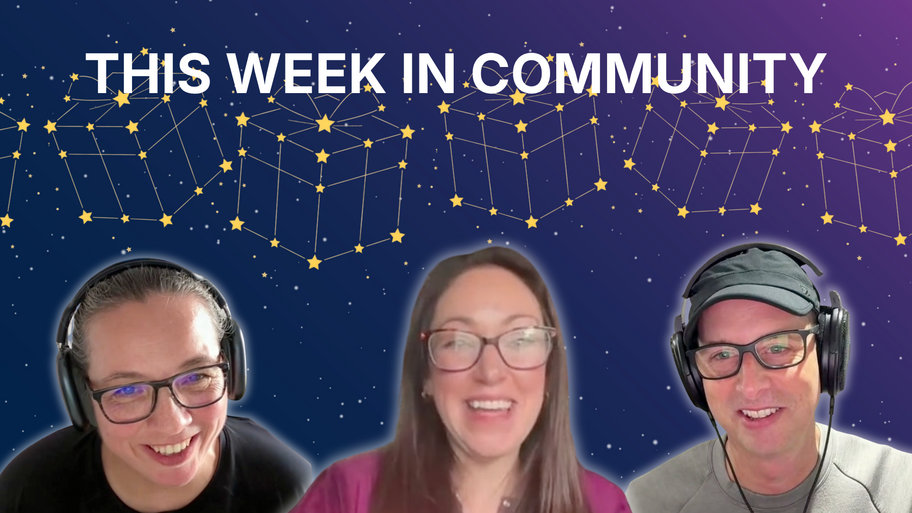
What might change if your community worked in seasons and kept inviting new voices? Reflections on joy, gifting, OKRs, and learning across generations
14 Oct
Time Series Database (TSDB)
Definition: A database designed to store and query values recorded over time, where each value is tied to a timestamp. It is commonly used to hold metrics such as request counts, error rates and response times.
So what? It is where observability metrics live, which makes it possible to chart how a system behaves over minutes, hours or days and spot when something changes.
Example: Storing the number of failed checkout requests every few seconds so a team can see whether errors rose after a release.
First Input Delay (FID)
Definition: A browser metric that measured the delay between a user's first interaction with a page and the moment the browser could begin handling it. It was replaced by Interaction to Next Paint (INP) as a Core Web Vital in 2024.
So what? Because it covered only the first input, it could miss slow responses later in a session, which is why INP replaced it.
Example: A page that responds quickly to the first click but becomes sluggish once more scripts load would score well on FID yet still feel slow to use.
Core Web Vitals
Definition: A set of browser metrics defined by Google to describe a page's user experience in terms of loading, responsiveness and stability. The current set is Largest Contentful Paint (LCP), Interaction to Next Paint (INP) and Cumulative Layout Shift (CLS).
So what? They give teams a shared, user-focused set of questions to watch when observing how a site behaves in real browsers.
Example: A team dashboard tracking LCP, INP and CLS for the checkout pages so that a slowdown after a release is spotted quickly.
Cumulative Layout Shift (CLS)
Definition: A browser metric that measures how much visible content moves around unexpectedly while a page is being used. It is the stability signal within Google's Core Web Vitals.
So what? It captures whether content jumps around on the user, which is a frustration that is easy to miss when looking at load times alone.
Example: A reader starts an article, then an advert loads above the text and pushes the paragraph down the page, causing them to lose their place or tap the wrong link.
Interaction to Next Paint (INP)
Definition: A browser metric that measures how long it takes for the page to visually update after a user interacts with it, such as a click, tap or key press. It is the responsiveness signal within Google's Core Web Vitals.
So what? It shows whether a page feels responsive to the person using it, across their interactions rather than just the first one.
Example: A user taps "Add to basket" and the button takes nearly a second to show any change because the browser is busy running scripts.
Comments
(466)
When life imitates art
That's a powerful lesson. Thanks for sharing, Deb.
And sorry about your cracked windscreen. Hopefully it's been straightforward to fix.
Introducing TWIQ hosts with AI
Fun! 😃
Take a moment, in the moment, to post a moment!
Absolutely!
Plus previous major events now include photos. For example, on all the MoTaCon 2026 festival week events. So folks can download and use them for Moments.
Members can find previous events via the events section on their profile page e.g. https://www.ministryoftesting.com/p/simon_tomes/events)
One quality LEGO piece
Such a good photo.
"This is all you need my friend!"
RiskStorming decks: from swag to experiment
Great use of the containers! (not just for Docker).
PHP2Shell - Critical vulnerabilities in PHP (CVE-2026-109618, CVE-2026-109619): detection, analysis, and remediation
(securitylabs.datadoghq.com)
21 Oct
19 Oct
How to test a cookie banner that behaves differently in every country
(wonderproxy.com)
14 Oct
ASOS links data breach to social engineering attack, credential theft
(www.bleepingcomputer.com)
08 Oct
Thanks for your contribution
How I use AI: No more spreadsheets and the shift towards vibe coding internal apps
Community Star
about 1 hour ago
Thanks for your contribution
Your AI transformation is yours to drive
Community Star
about 4 hours ago
Thanks for your contribution
The MoTaverse helps you with squish that imposter syndrome away
Community Star
about 4 hours ago
Interests (40)
advocacy
·
all-things-community
·
asking-questions
·
bug
·
bugs
·
bugs-in-the-wild
·
charters
·
coaching
·
coaching-testers
·
community
·
conferences
·
conference-speaking
·
continuous-learning
·
design
·
diversity
·
drumming
·
events
·
experimentation
·
exploratory-testing
·
heuristics
·
leadership
·
memes
·
mentoring
·
mot-stec
·
music
·
oracles
·
podcasting
·
process-improvement
·
product-development
·
product-management
·
public-speaking
·
quality-strategy
·
space-duck
·
space-seagull
·
systems-thinking
·
team-enablement
·
testbash
·
testbash-brighton
·
testing
·
writing
