
Susanne Abdelrahman

Susanne Abdelrahman
Head of Product Quality & Operations
She/her
I'm a product quality nerd based in NYC. Also a mama, reader, baker of delicious pies, and lover of naps, sunshine, and macarons. I write about making software less awful at theproductmindedqa.com
🎂 MoTaBirthday | January 28, 2025
Open To
Write
Speak
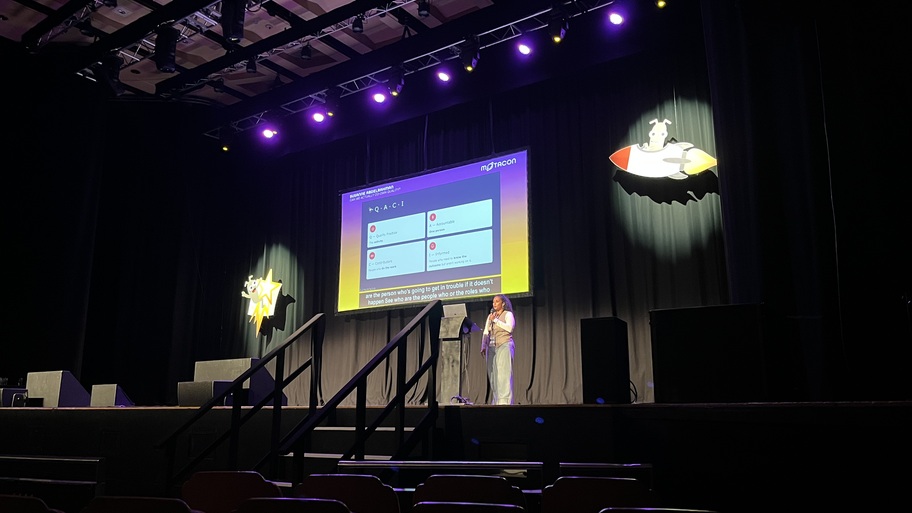
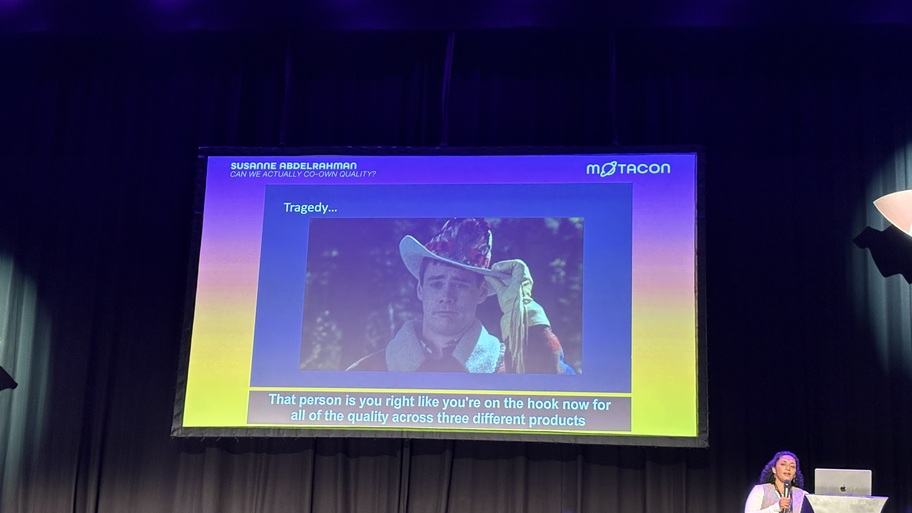
A difficult story (layoffs, more responsibility) told with help from a pic from one of my favourite films (takes me back to Claire Norman’s ‘joyful things’ talk) 🎬🍿
1 Oct
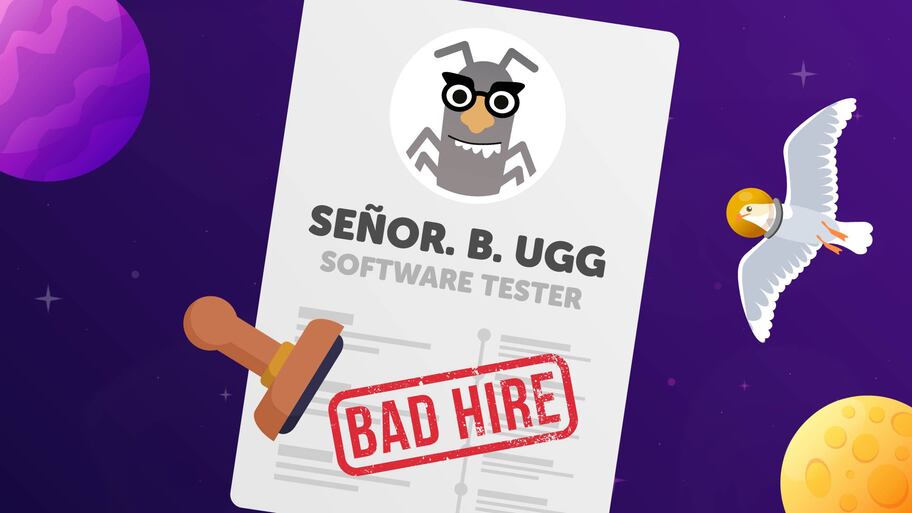
Find out what’s really behind testing hires that fail (hint: it’s rarely because the tester couldn’t handle the job!)
29 Jul

What I learned about influence by becoming a stakeholder
11 Sep
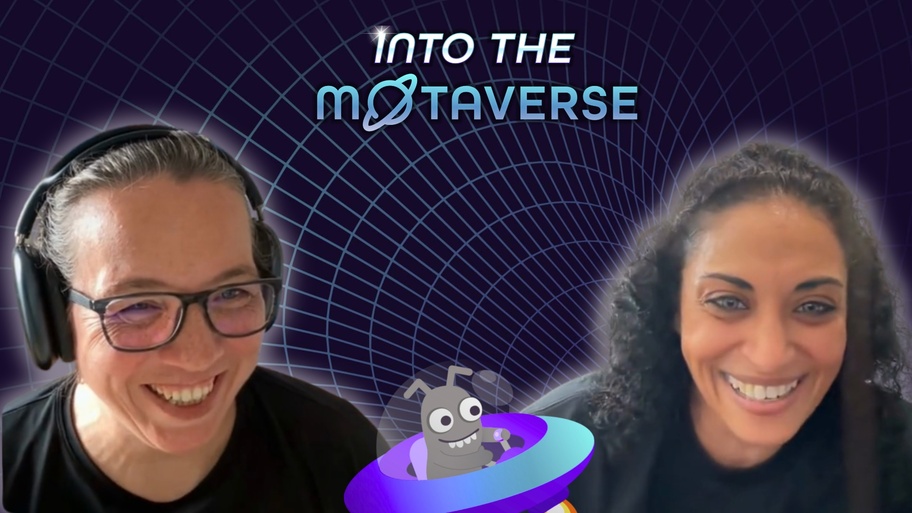
An honest conversation about care, influence, and the ripple effects of doing quality work when nobody has to listen to you.
22 Apr
Mobbing
Mobbing is a collaborative software development and testing technique where an entire team works on the same task, at the same time, in the same space (physical or virtual), and on a single computer. It extends the concept of pair programming to the whole group, including developers, testers, product owners, and other stakeholders.One person acts as the "driver" (controlling the keyboard/mouse) while others serve as "navigators" (providing direction), with frequent rotation of roles to keep everyone engaged. The practice uses "strong-style navigation" where the driver follows guidance from the navigators. This ensures all ideas flow through the group and creates shared understanding in real-time.
Mobbing applies to many activities:
Mob programming involves teams collectively writing code, making design decisions, and solving complex technical problems together
Mob testing brings diverse perspectives to exploratory testing, test automation, or bug investigation, combining domain knowledge, technical skills, and testing expertise
Mob learning uses the format for onboarding new team members, learning new technologies, or tackling unfamiliar problems where collective knowledge accelerates understanding
Benefits of mobbing:
Eliminating Handoffs: Tasks are completed in one pass (writing, testing, and reviewing happen simultaneously), which significantly reduces "Work in Progress" (WIP) and cycle time.
Knowledge Sharing: It is one of the fastest ways to spread technical and domain knowledge across a team, preventing "silos" where only one person understands a specific feature.
Higher Quality: With "many sets of eyes" on the code as it is written, technical debt and bugs are often caught and fixed instantly.
Team Building: It builds mutual respect through meaningful, mission-critical work rather than artificial exercises.
Common challenges:
Intensity: Constant collaboration can be mentally draining and may not suit all personality types.
Cost Perception: May be seen as "inefficient" because multiple people are working on the same thing, though proponents argue the higher quality and lack of rework offset this.
Dominant Personalities: Stronger voices may overshadow others if the group does not strictly adhere to inclusive "kindness, consideration, and respect" rules.
Canary deployment
Canary deployment is a deployment strategy where new changes are released to a small subset of users or systems before rolling out to everyone. This approach helps teams detect issues early and minimize the impact of potential problems.
Product Development Life Cycle (PDLC)
Product Development Life Cycle (PDLC) is the structured process that teams follow to take a product from initial idea through to delivery and beyond. The 5 phases of the PDLC are:
Discovery & Ideation: identify user problems, explore potential solutions, and validate assumptions
Solution Definition: define product requirements, designs, and technical plans
Build & Test: develop and validate the product
Launch: deploy the product
Monitor & Maintain: track product performance and make improvements or fixes as needed
QACI
QACI (pronounced “quacky”) is a responsibility model developed by Susanne Abdelrahman that adapts the traditional RACI framework specifically for quality practices. The memorable pronunciation was suggested by Simon Tomes. QACI stands for:
Quality Practice: A specific quality activity or process, like release readiness determination, bug triage, or writing a test strategyAccountable: The person who owns the outcome and is held responsible for the practice working effectivelyContributor: People who actively participate in or support the practice. These folks do part of the workInformed: People who need visibility into the practice and its outcomes but don't participate directly
Empathy mapping
Empathy mapping is a collaborative visualization tool that helps teams develop deeper understanding of users and stakeholders by mapping their experiences across four key dimensions: what they say, think, do, and feel.
Originally developed for user experience design, empathy maps create shared understanding by capturing both observable behaviors (what people say and do) and internal experiences (what they think and feel). The process involves placing a person or persona at the center and filling in insights around the four quadrants, ideally based on real research rather than assumptions.
Quality engineers can use empathy mapping to understand both end users and internal stakeholders. For users, it helps identify quality characteristics that matter most in real-world usage. For stakeholders like product managers or developers, it reveals how they experience quality trade-offs and what motivates their decisions, making quality advocacy more effective.
Comments
(3)
Simplicity is at the core of The Ahh Test
Love the Ahh test!!
One of the values at Dropbox in the earlier years was called Cupcake 🧁 it was very similar (we’d ask ourselves/each other, “well, is this cupcake?”)
MoTaverse Match
Love this!! 🙌
Drop a quality comment to win your place at Leading With Quality
゚・✿ヾ╲(。◕‿◕。)╱✿・゚
Half-Baked, Fully Shipped: My Therapist Accidentally Fixed My AI Strategy
(theproductmindedqa.com)
17 Apr



Thanks for your contribution
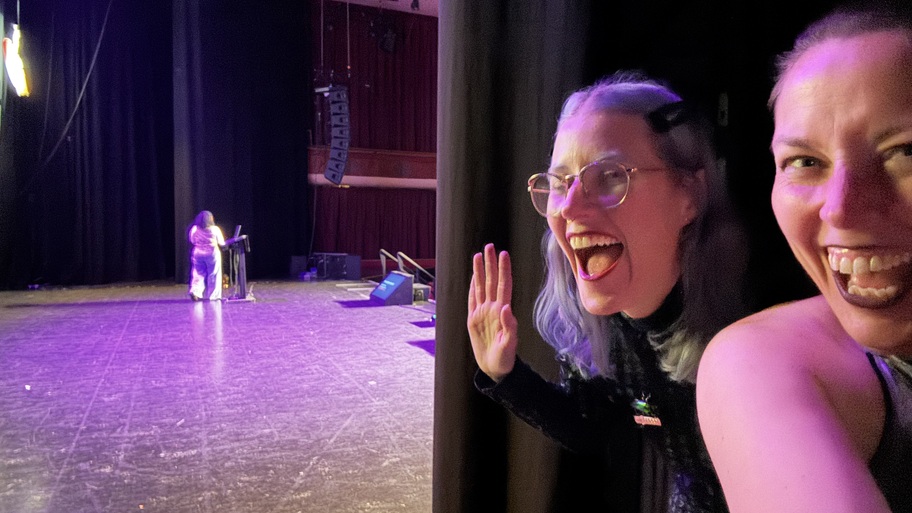
Finding surprise selfies the morning after MoTaCon
Community Star
29 minutes ago
🍦🥟 Parallel execution at its finest. #MoTaCon
Ritesh at his finest! 😃 #BaoBunAndIceCream
Contributor thanking
30 minutes ago
Thanks for your contribution
🍦🥟 Parallel execution at its finest. #MoTaCon
Community Star
30 minutes ago
Thanks for your contribution
🍦🥟 Parallel execution at its finest. #MoTaCon
Community Star
30 minutes ago
